Journey Around The Globe
ready for the next destination
Amman and Back
AMMAN, JORDAN: Guess what was the ancient name of Jordan’s capital Amman? Philadelphia…sounds weird, but this city, once used to be known as Philadelphia, dates back to some 7000 years, as some estimate. Old Amman is situated mostly on hilly areas and built of white stone. The city has witnessed many ages, dynasties, and rulers, starting from pottery Neolithic from 5500 BC to Bronze and Iron ages, to Persian and Hellenistic, then Roman and Byzantine. Then finally by Muslim dynasties like Umayyad, Fatimid, Mamluk, and Ottoman. Currently the King of Hashemite Kingdom of Jordan (country’s formal name) Abdul Aziz and his officials have built the country to be one of the most developed in the Middle-East while keeping the heritage of thousands of years of history. Interesting fact about the king is that King Abdul Aziz is from Bedouin family, therefore the Jordanian Bedouins are a bit well-off. They get about few hundreds JD per month from the gov’t and can live in any mountains or deserts outside of city boundaries.

- Busy street of Old Amman, Jordan
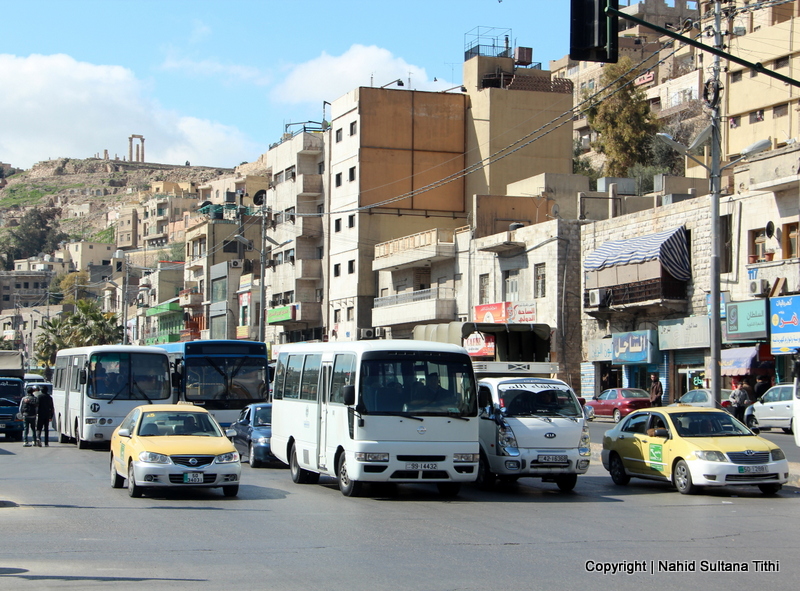
The old town of Amman is situated on few small hills. Don’t hesitate to ask help from the local…they are very friendly and will try their best to help you even if they don’t speak good English.
You can get visa to enter Jordan right at their airport for 20 JD per person and the airport is about half an hour drive from the old city center of Amman.
TIME of TRAVEL: We flew to Amman from Tervuren on 3rd week of February, 2013. It was nice and pleasant during the day but chilly at night. May be carrying a sweater is not a bad idea if you are traveling around this time of the year.
OUR HOTEL: Our hotel in Amman, Arab Tower Hotel, was a very nice and clean place with friendly staffs. The hotel offers free breakfast but didn’t have in-room Wi-Fi (although it was mentioned when we were booking through Hotel.com). The hotel is located in the heart of Old Amman surrounded by any shops and busy streets. We could actually both Citadel and Roman Theater from our 6th floor window.
EATING and SHOPPING: Eat at Anwar Makkah in the old city center…seems like almost every local know about this restaurant. This is more like a street-side cheap place for traditional food like kebab, bread, salad, and Jordanian style rice.
There are many souks and souvenir shops in the Old Amman. Never jump to buy something you like without bargaining. Sand art in bottles are very popular here, as well as decorative wall hangings and tea accessories. Kuffiyeh, the checkered scarves, are good to blend yourself in with the locals and protect you from sun too.
PLACES WE’VE VISITED: We literary spent about 5 hours in Old Town Amman and as many others have suggested, it’s more than enough to explore the city. The main beauty of Jordan is not in the city, rather in the deserts and mountains. That’s why we ended up taking few day-trips here and there to maximize the fun.
1) ROMAN AMPHITHEATER: The amphitheater was built by the Roman Emperor in 138-161 AD and until today it has been the largest theater in Jordan. Ruins of some Roman-style columns near the ticket office are also part of its beauty. With the capacity of 6000 spectators, this is an important archaeological monument of the ancient Roman. It is still used today for artistic performances. View of the fortification walls of citadel in front and the white stone buildings on the hills are magnificent from the top stairs of the theater.
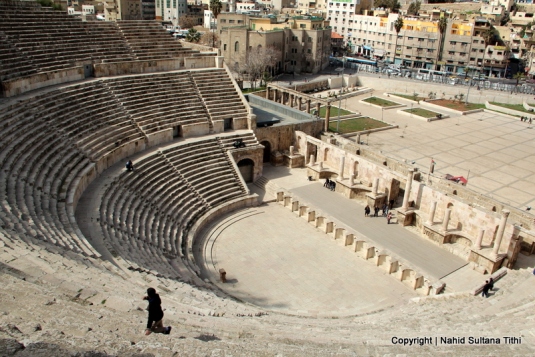
- Roman Amphitheater in Amman, Jordan
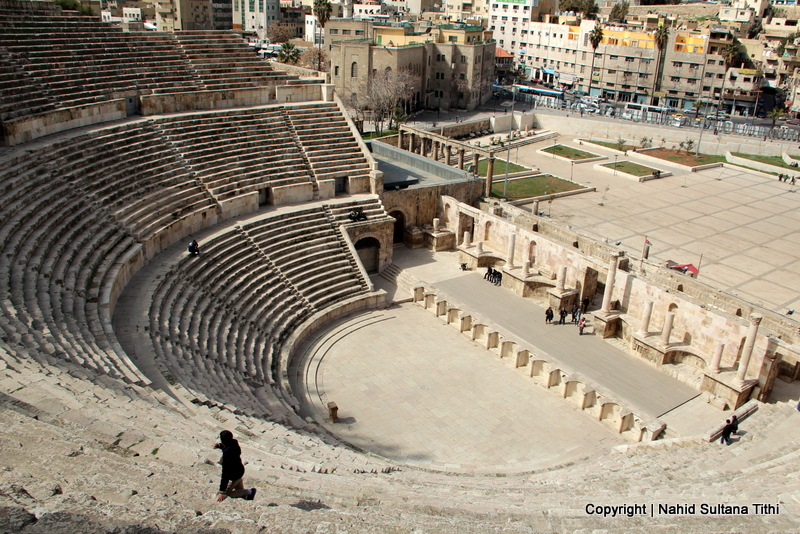
Jordanian Museum of Popular Tradition inside the amphitheater is worth spending 10-15 minutes to see traditional clothes/thobes from different villages or regions of Jordan and Palestine. Other than some jewelries, pots, gadgets, ancient mosaics discovered from 6th century (mainly from Jarash or Madaba) are worth looking at. There is also a smaller amphitheater right outside the main gate of the big one and can be covered using the same ticket.
It shouldn’t take more than 45 minutes to visit the museum and go on top of the amphitheater. 1 JD entrance fee per person above 15 yrs. of age and covers the main amphitheater, the museum inside it, and the smaller theater close to the main one. This is open from 8-4 pm for the visitors.
2) CITADEL: Situated up on top of one of the city’s high hills, this is a National Historic site and one of Amman’s oldest known places. It’s known as Jabal al Qala’a to the locals. This has been used as a settlement and a fortress for thousands of years. This is an astounding open-air museum where visitors can walk through time and see the relics of numerous civilizations. Within the fortification wall of the Citadel, you can see the cave from Early Bronze Age, signature columns and temple of Romans, then ruins from Umayyad dynasty. It seems the local authority takes good care of this place. It’s not only clean and organized but also very well-marked with information board at each corner. Located on a mountain, it gives visitors a perspective of the city’s incredible history and also provides stunning views of the entire area. We couldn’t stay until the sunset but I am assuming it should be a great experience from this elevation.

- The Citadel – Temple of Hercules on the right in Amman, Jordan
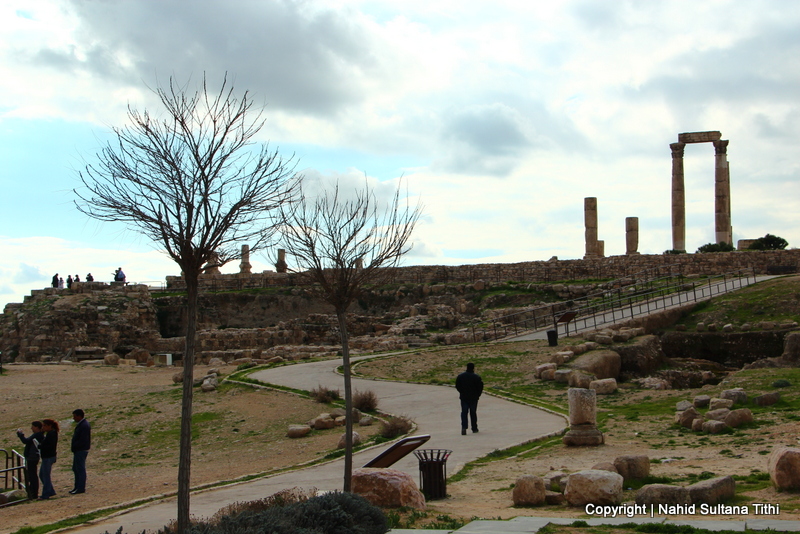
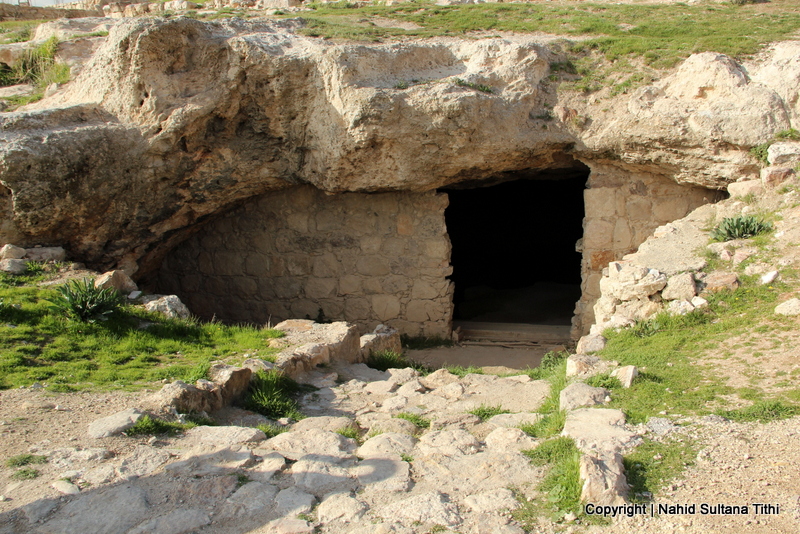
Some of the highlights of this place are Roman Temple of Hercules, Early Bronze Age cave, Byzantine Church, Umayyad Mosque, Umayyad residential units, and Umayyad Palace. The cave that I’ve mentioned dates back to the 23rd century BC. This cave houses a series of rock-cut tombs which was later used as a place to prepare the stones to build the massive Citadel. Umayyad Mosque and the residential units are now in complete ruins, nothing but few columns and walls still stand to give you an idea of their existence.

- Ruins in Citadel and view of the city from the top in Amman, Jordan
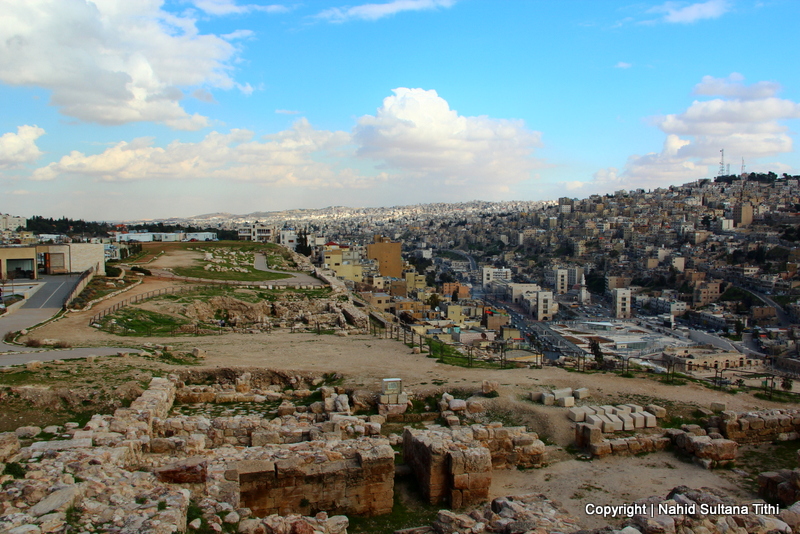
The Citadel is open from 8 – 6 pm during the summer season and 8 – 4 pm during winter. 2 JD is per person is the entrance fee (kids <15 yrs. are free) just for the citadel itself, but you want to visit the museum inside it, then the ticket is 5 JD. To ascend to Citadel, you can either take the stairs (takes about 10/15 minutes) or an easier option is to just a taxi (about 2 JD from bottom of the hill).
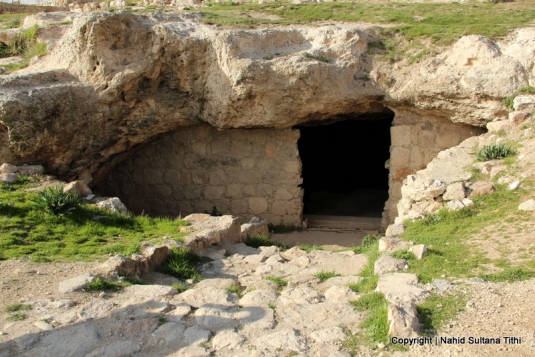
- An Early Bronze Age cave in Citadel, Amman, Jordan
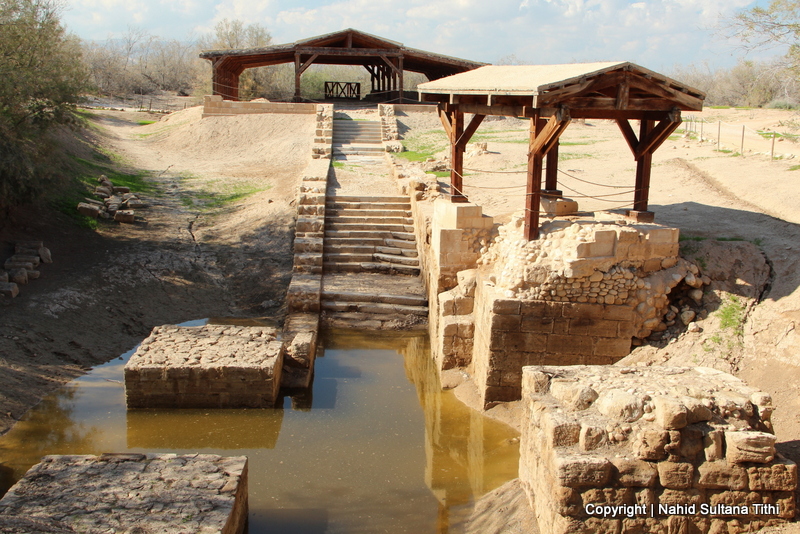
3) DAY TRIP to MADABA, MT. NEBO, BETHANY, and DEAD SEA: This can be a great day-trip from Amman if you are interested in the history of Islam, Christianity, and Judaism. Madaba is famous for its ancient mosaic work which can still be seen from the 6th century AD. Mt. Nebo is where Moses was granted to view the “Promised Land” from and where he died and was buried. Bethany is a sacred place for Christians since this is the place where Christ was baptized by John the Baptist. Finally, Dead Sea is earth’s lowest point and the largest land-locked salty body of water in the world. Please visit my page on the right-hand side for detailed information and pictures from this trip.
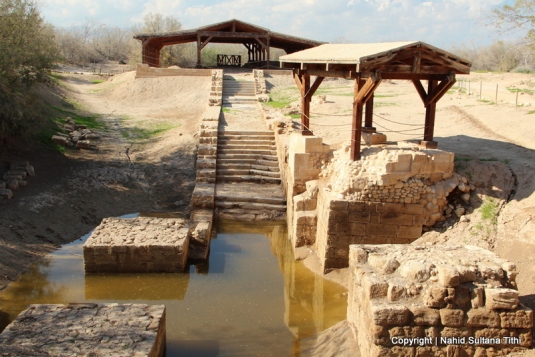
- “Bethany Beyond the Jordan” – The holy site where Jesus was Baptized by John the Baptist in Bethany, Jordan
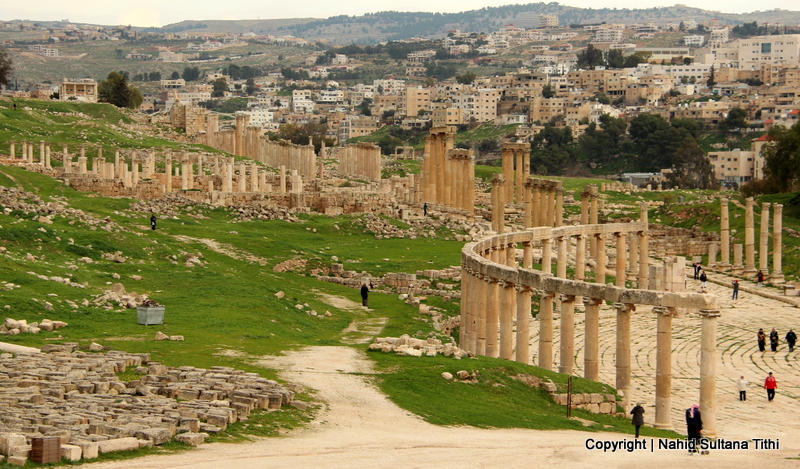
4) DAY TRIP to ASHABUL KAHF, AJLOUN, and JARASH: This was another fantastic day trip which was not in our itinerary but our guide advised it. Ashabul Kahf is a historic cave for the Muslims where 7 boys and their dog slept for hundreds of years and this event was mentioned in the Qur’an under Surah Kahf. Ajloun is a city about 120 km north of Amman. Other than the scenic drive to Ajloun, there is a Castle made by the mighty Salahdin’s General in 1184, called Ajloun Castle. There is also a church on the mountain, Our Lady of Virgin Mary, which was built right beside the cave where Jesus, Mary, and his disciples stayed for a short time while passing by this city. Finally, Jarash is a city which had a big Roman settlement in the early 1st and 2nd century. This is known to be one of the best preserved Roman provincial towns in the world. The whole city, including its few gates, churches, amphitheaters, main street take you back in the time of the Romans. I can compare it to the Roma Forum in Rome, except the ruins in Jarash are more well-maintained and taken care off. Please visit my separate page on this day trip for full information and to see the pictures.

- A Roman city from the 2nd century in Jerash, Jordan
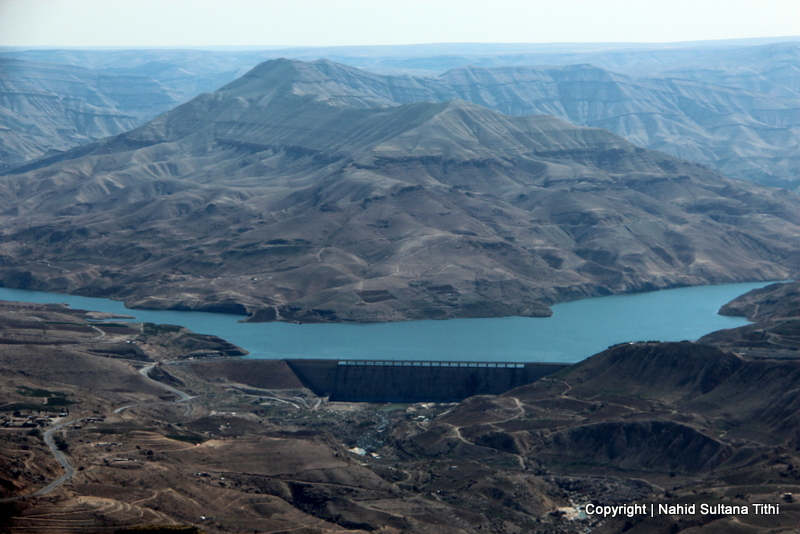
5) DAY TRIP to MUJIB, KARAK, DANA, and SHOBAK: We took this trip on our way to Petra. King’s Way is a beautiful scenic route from Amman to Petra and these 4 small towns fall on this long stretch of road. Wadi Mujib or Valley Mujib has a dam called Dam Al Mujib. We stopped here only for 15-20 minutes to see the valley and canyon created by the monstrous mountains. Dana was also was just a view-point from top of a mountain. Karak has an old crusaders’ castle called Karak Castle on a hill-top which was later occupied by Salahdin around 12th century. Shobak also has some ruins of a smaller castle, called Shobak Castle. This was also built by the crusaders somewhere around 11th or 12th century. Please visit my page on the right-hand side for more detailed information and pictures.

- Wadi Mujib and Dam Al Mujib from the view-point
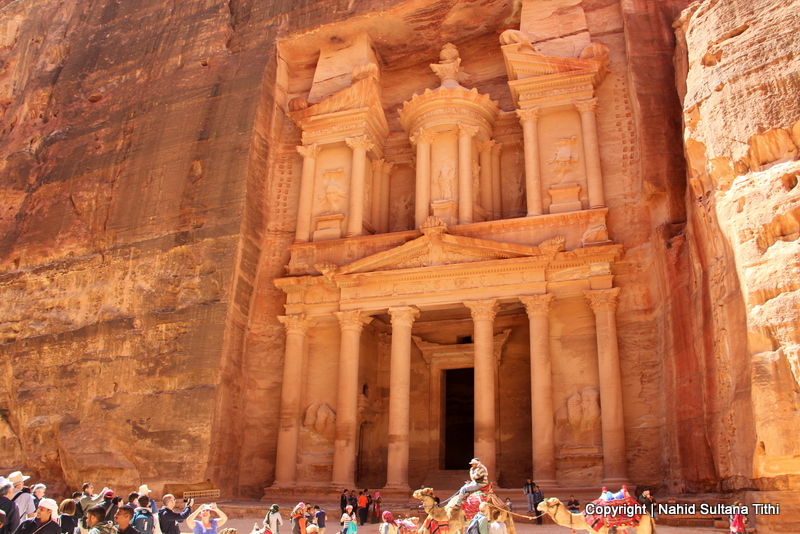
6) TRIP to PETRA: Trip to Jordan won’t be half as excited without visiting Petra. Petra is like a totally different world and in different time setting. You can’t picture the grandness of Petra without physically experiencing it. This place gives you a scenic view of Wadi Musa (Valley of Moses) as well as glimpse of the ancient Nabataean civilization from the 6th century BC.

- Khazana (The Treasury) in Petra, Jordan
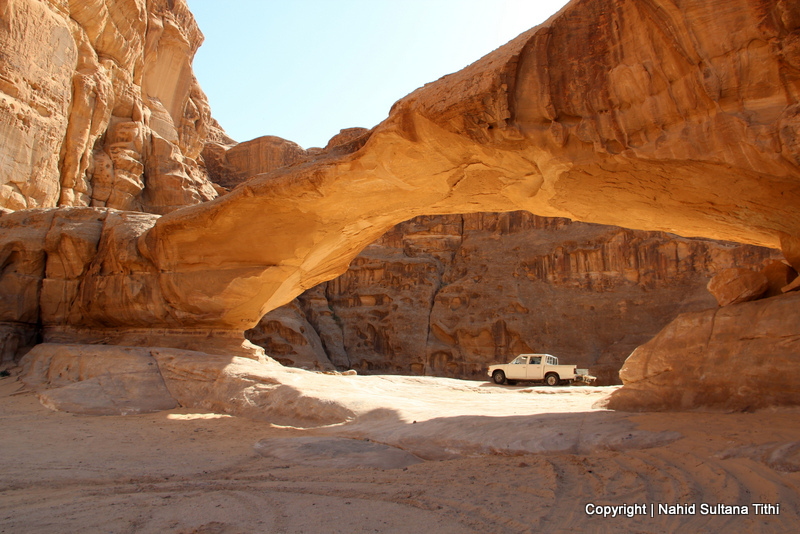
7) DAY TRIP to WADI RUM: This was probably the 2nd best day-trip that we took in Jordan after Petra. To actually go into the heart of a desert is a timeless experience, especially with a Bedouin in his 4×4 jeep. Wadi Rum means “Valley of the Moon” and the terrain here does look like the surface of the moon with many small mountains, fascinating rock-formations, and white sand-dunes. Finally, can’t beat the experience of having Bedouin cooked lunch out in the valley. Wadi Rum is also popular for overnight camping to get up close and personal with the Bedouins.
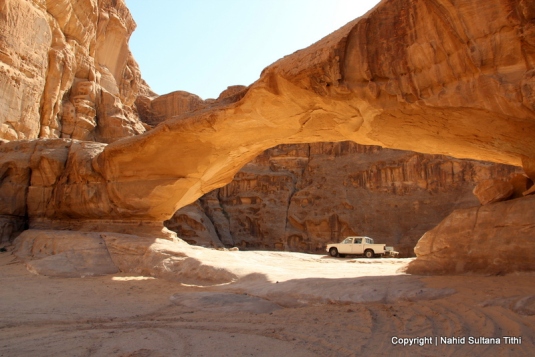
- One of many natural bridges in the desert of Wadi Rum, Jordan
Related articles
- Touchdown in Amman, Jordan (mustudyabroad.wordpress.com)
- Jordan Sees New Surge in Syrians Fleeing Civil War (world.time.com)
Share this:

Looking at “Promised Land” from Mt. Nebo, Jordan
We are in Jordan this week. Last few days have been full of fun and very exciting days for all of us, as well as very exhausting. Today we reached Petra just couple hours ago. Here is a picture that I took from Mt. Nebo in Jordan. This is a very sacred place for Muslims, Christians, and Jews. This is the mountain where Moses (Prophet Musa AS) brought his disciples and showed them their “Promised Land” in Jerusalem. But Moses never made it to the Promise Land. Mt. Nebo is where he died and was buried.
Enjoy this beautiful view of Dead Sea and Jordan River Valley from Mt. Nebo while I enjoy our stay in Jordan.

Related articles
- Exodus 3:1-2 – Now Moses was tending the flock of Jethro his father-in-law, (church4u2.wordpress.com)
- Light Reflected: A Sermon for Transfiguration Sunday (therevandtheboys.wordpress.com)
- Moses and The Burning Bush( The revealing truth) (ifyluv.wordpress.com)
Share this:

Jeddah – a city by the Red Sea
JEDDAH, SAUDI ARABIA: Jeddah is the 2nd largest city in Saudi Arabia situated along the coast of Red Sea. This thriving modern city has everything to give its guests all the comfort they need to make their trip memorable. Jeddah is a huge city where most of the tourist attractions are pretty spread out and not within walking distance. But the good thing is that taxi is very cheap here.
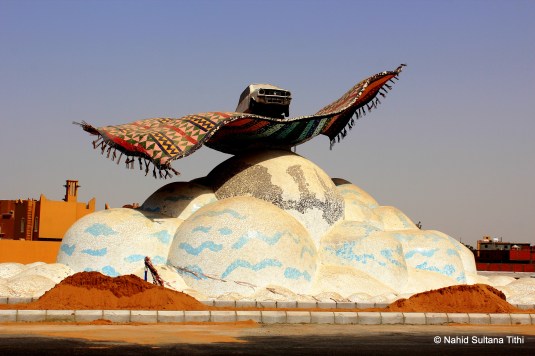
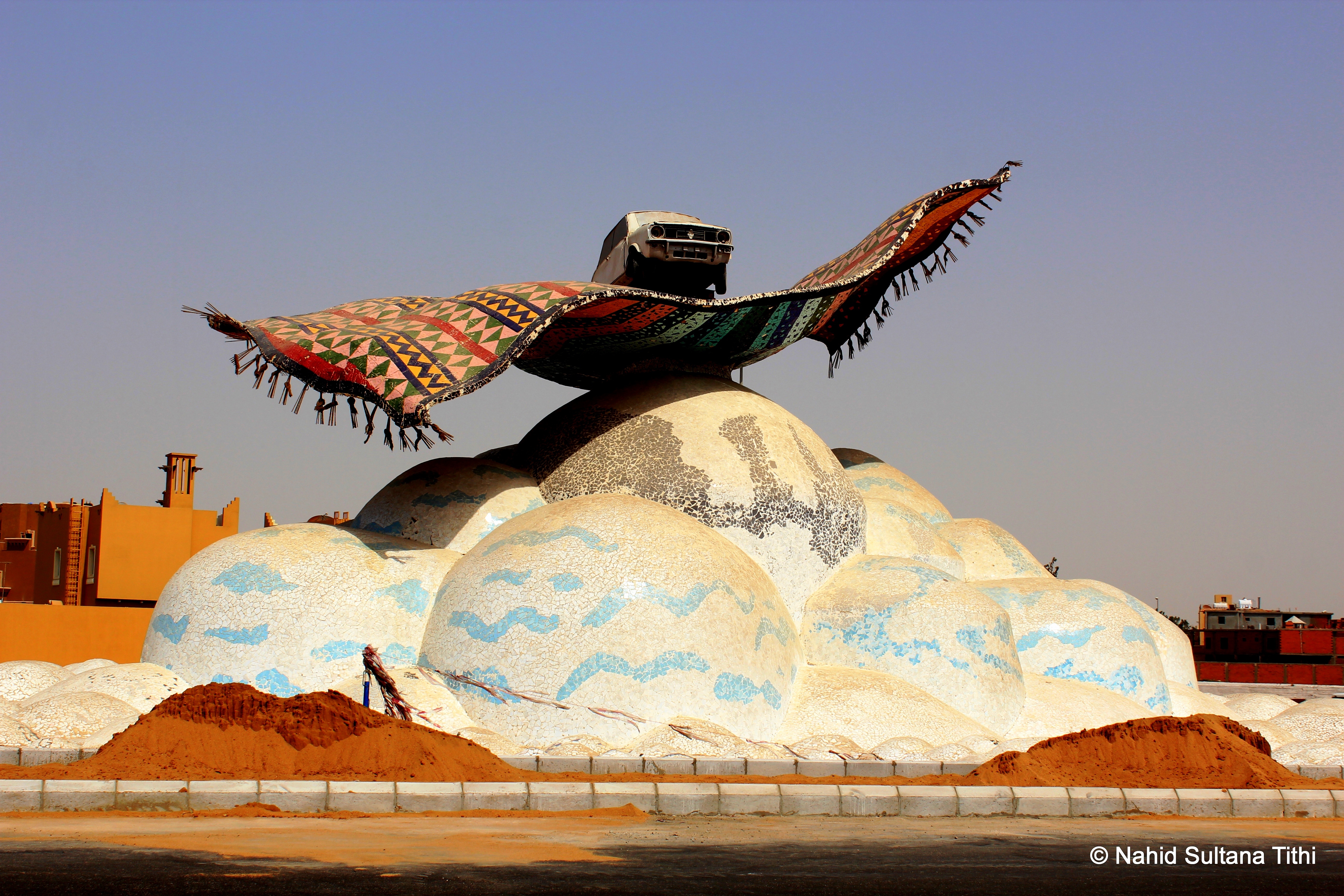
- Car on a magic carpet…just a beautiful round-about in Jeddah
TIME of TRAVEL: We flew to Jeddah in end of February, 2012. Weather is actually pleasant this time, you don’t get the desert heat-wave like you would from May-October.
EATING and SHOPPING in JEDDAH: We went to Red Sea Mall after spending afternoon near the Red Sea. It was about 10-15 minutes of drive. It is one of the biggest malls in Jeddah with a big food court and many shops. This is where we had Chinese food for an early dinner. Souk Al-Alawi in the old district of Jeddah is a good place to buy dates; hundreds of different types of dates and dates-filled treats can be bought in bulk or in gift boxes. Al-Balad (Old Jeddah) is another lively place for cheaper gifts, household things or Islamic souvenirs. One thing you have to remember in Jeddah is that since KSA is a Muslim country, everything is closed during prayer times…may be for half an hour maximum and then opens again. Interesting thing was to see vendors leaving their carts (without anyone looking after it) when they go to nearby mosque to pray and no one stealing anything from there. One reason for that is thieves get their hands cut-off if they are caught and proved stealing…it sounds brutal, but this law totally works here.
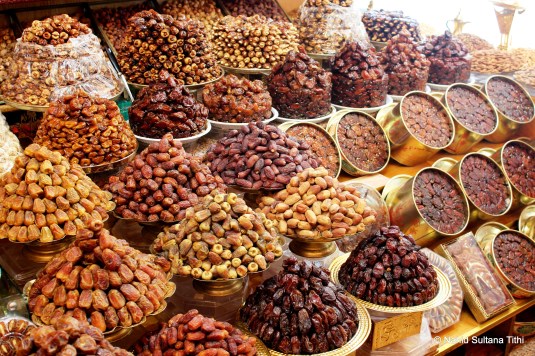
- What type of dates do you like? Jeddah’s Al-Balad has many different kinds to fulfill your needs

Al-Baik, something similar to Burger King, is probably the most popular fast food place here and offers seriously tasty burgers and fries. Another dish that we tried here was kafta, which is kind of like a combination of meat and rice. But honestly, I found traditional dishes here a bit flat and tasteless. I ended up using hot sauces in most of my dishes to spice things up.
PLACES WE’VE VISITED: We spent about 2 days in Jeddah hitting just the main spots of the city. Here those are:
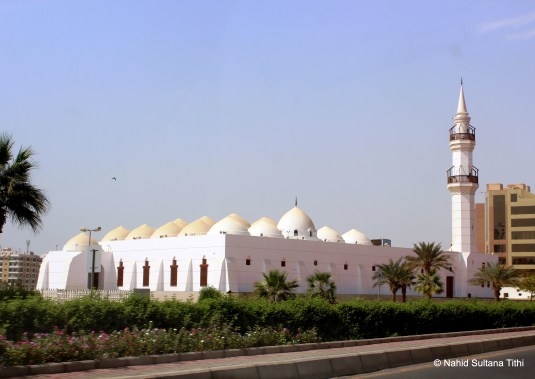
- One of the central mosques in downtown Jeddah (can’t remember the name) where criminals are punished according to Islamic laws/shari’ah in front of general public every Friday after mid-day prayer

1) RED SEA/JEDDA CORNICHE: Jeddah Corniche offers a spectacular view of Red Sea. This is a beautiful place to be during sunset when it’s not too hot. The beach where we stopped was nice and had a pier to take a little walk that extended onto the water. You can see some nice mosques in distance, big hotel buildings by the shore, and finally, the blue and green serene water of Red Sea. The beach is not really for surfing or taking a bath. But you can go to the water and wet your feet to feel the water of the sea.
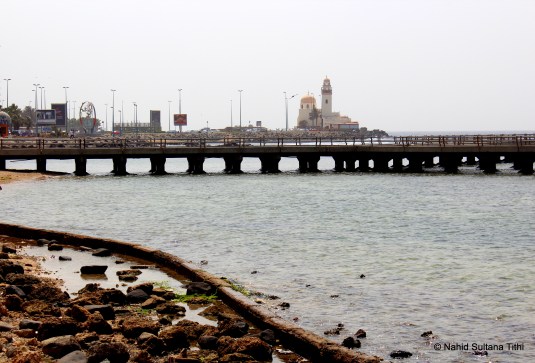
- Doha Corniche and spectacular Red Sea in Jeddah
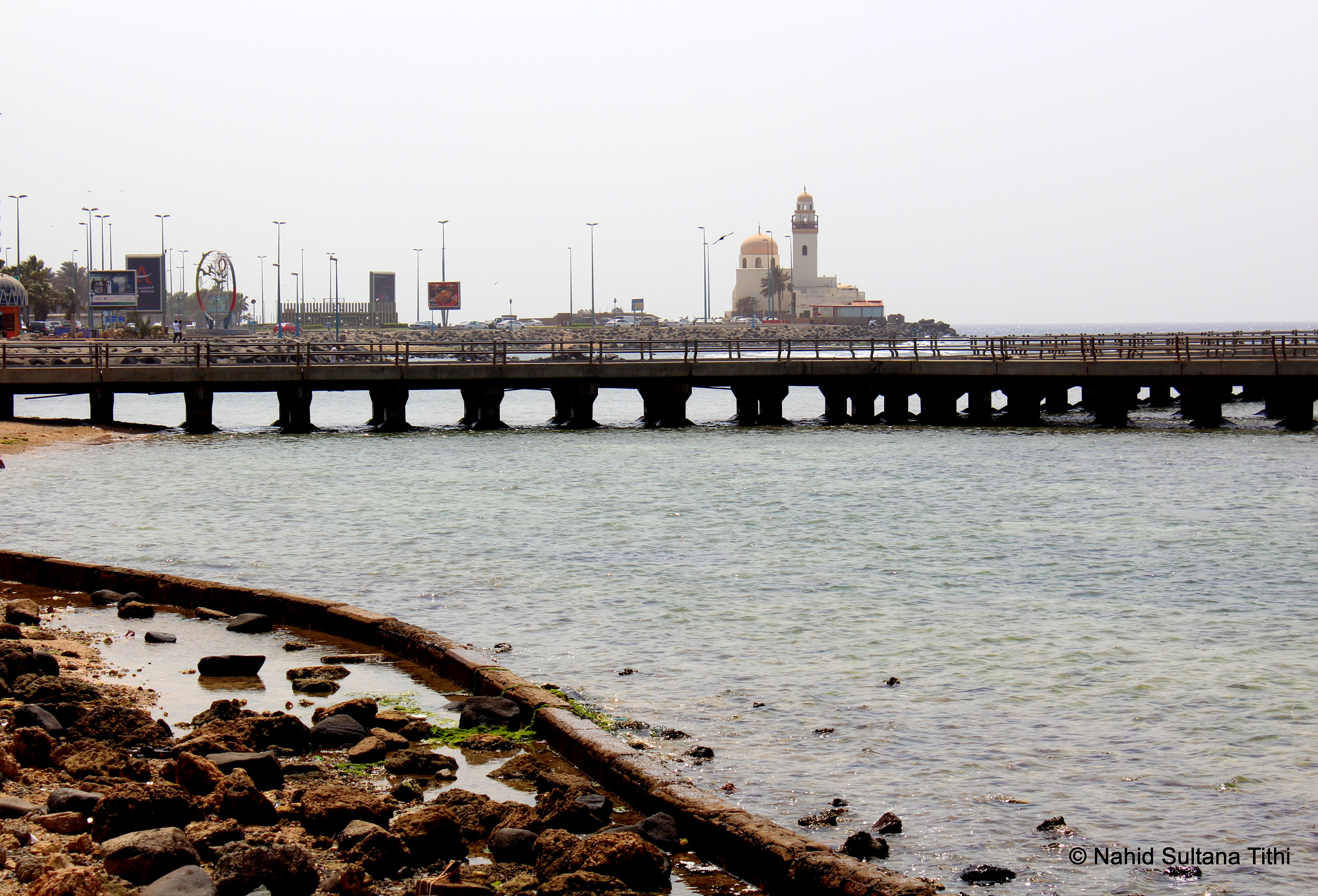
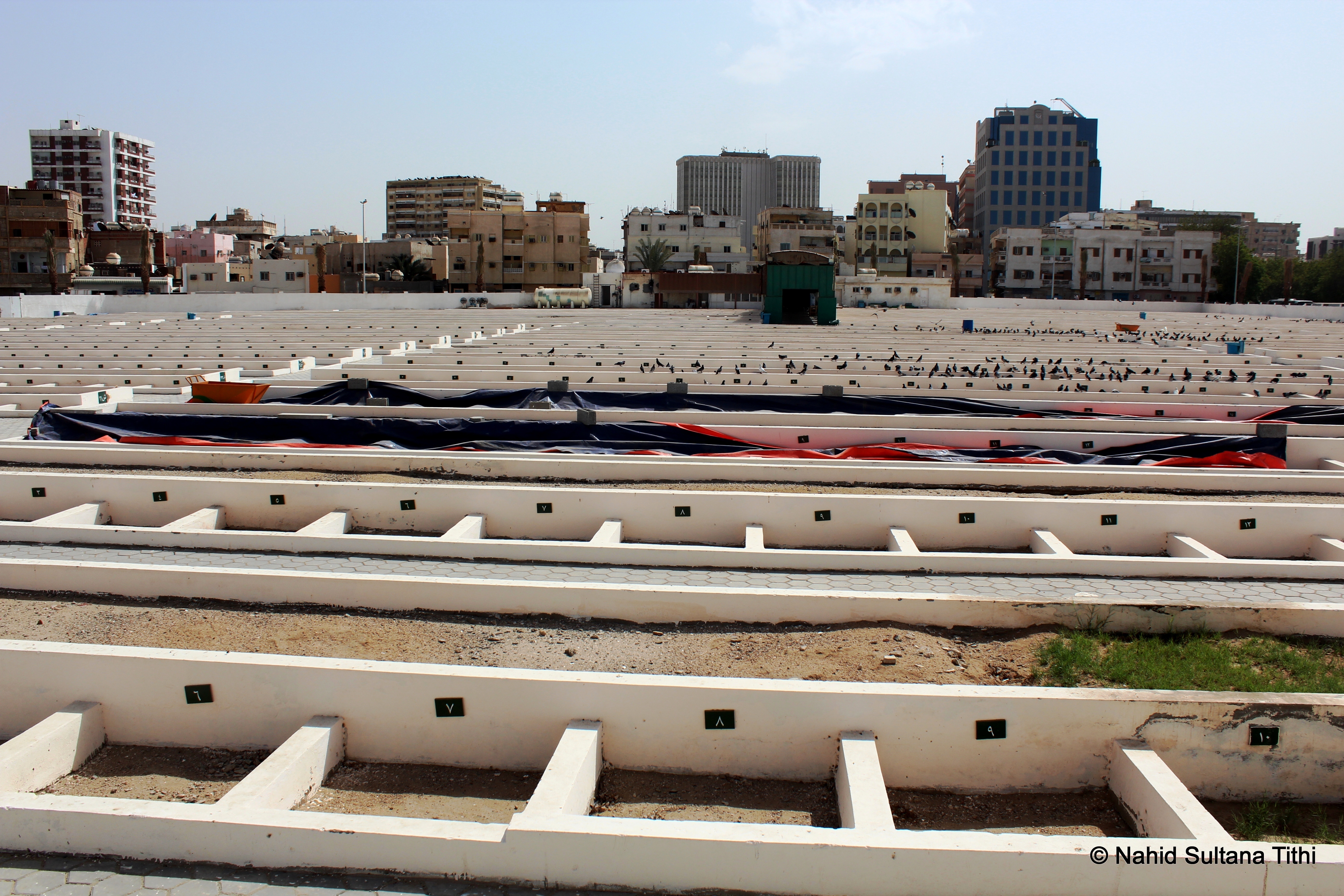
2) TOMB of EVE (HAWA AS): This is an enclosed cemetery that has many graves and is surrounded by concrete walls. This is strongly believed to the burial-place of the mother of all humankind, Eve or Hawa (AS). This is a historic archeological site of Old Jeddah. The door was closed for the tourist that day (or may be permanently). Religious authorities built the concrete wall to prevent people going there and praying at the tomb. So we ended up peeking and taking pictures of inside the cemetery by climbing the walls…hehe. Seriously, we did climb the wall to see how it looked inside. Tomb of Eve is said to be one of the longest graves there. We couldn’t pinpoint Eve’s grave since there are many long graves in that site and no graves are marked to prevent it becoming a shrine.
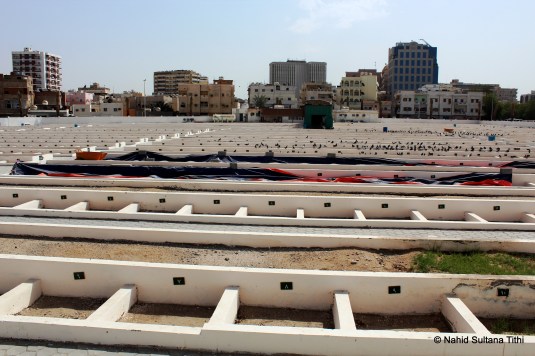
- Inside the boundary where the tomb of Eve (Hawa AS) is located in Jeddah
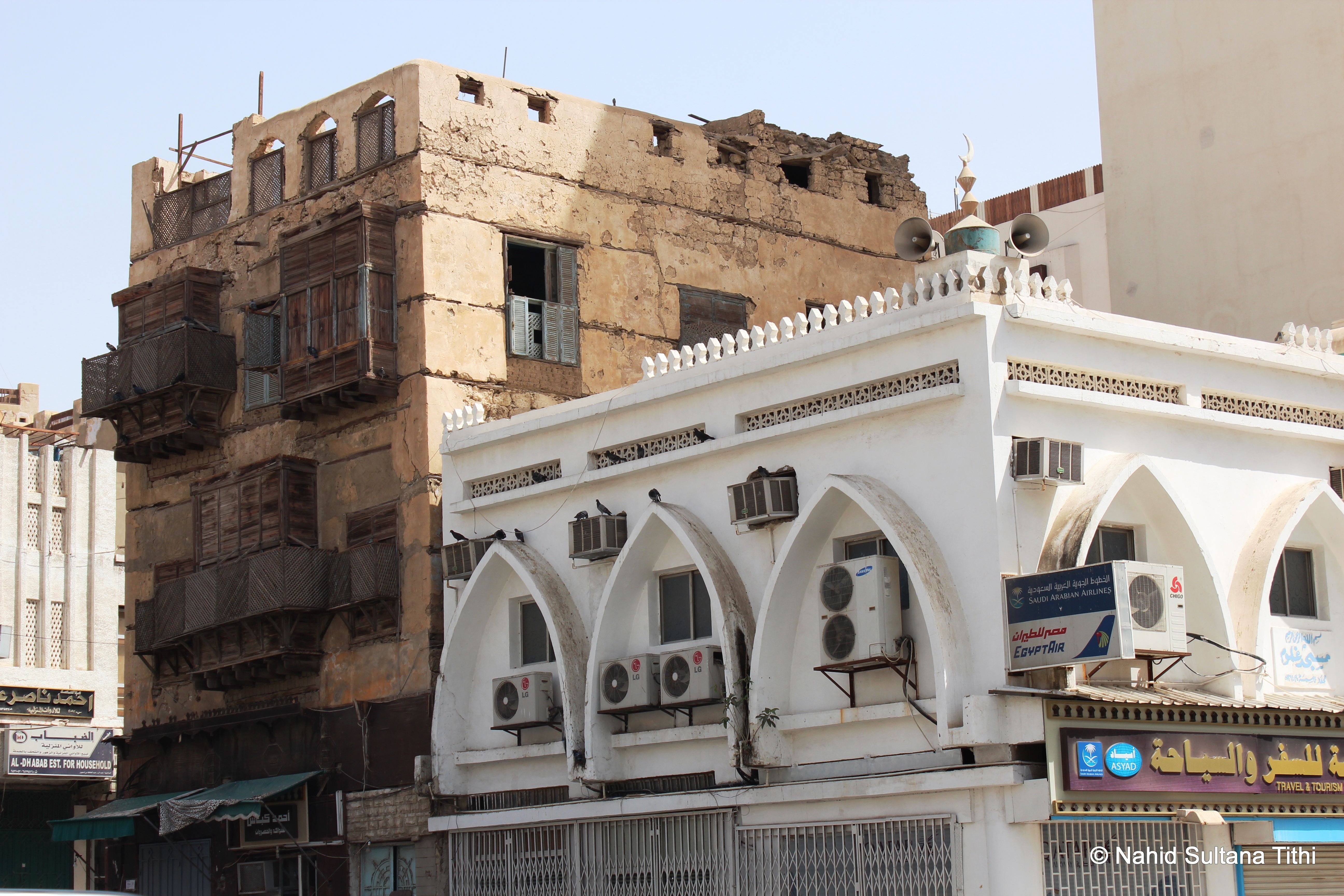
3) AL-BALAD (OLD JEDDAH) & HISTORIC SOUK AL-ALAWI: This is the heart of Jeddah and a place where I could have spent a whole day hoping from one shop to another, wandering around the seemingly endless souks, and looking at ancient buildings. Whatever you buy here make sure you bargain unless they are already marked with prices. Little passageways, historic old architectures, and crowded streets are nice to watch while you are doing some shopping in the souks. Naseef’s House is a famous building in Al-Balad which was erected about 150 years ago. Omar Naseef Efendi was a member of a wealthy merchant family and governor of Jeddah at that time. The building became famous when King Abdul Aziz spent his 1st night in this house after siege of Jeddah in 1925.
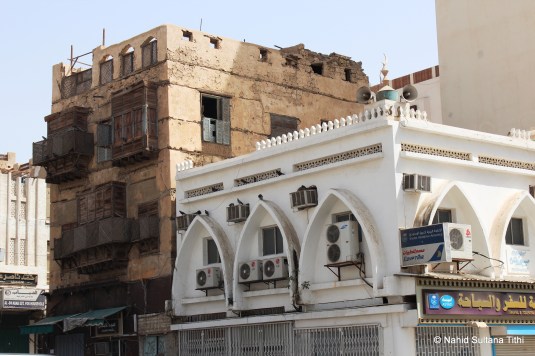
- One of the original and oldest buildings (left one) in Al-Balad, Jeddah
4) BAB-AL-MAKKAH: This old gate was the road to Makkah in old times. It’s located in Old Jeddah in the middle of a busy road. We didn’t get a closer look at this; one of my aunts mentioned it while we were crossing the street and just looked at it from a distance.
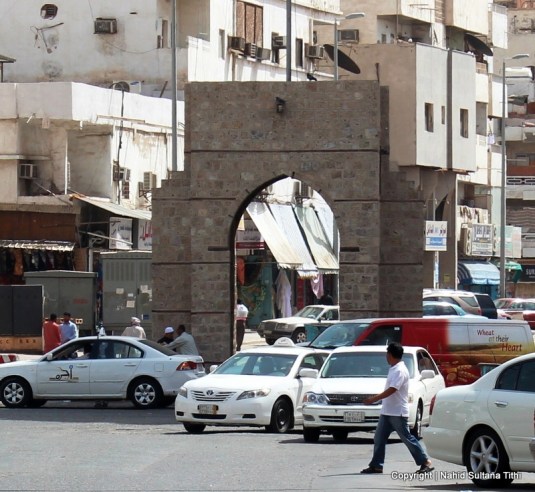
- Bab-al-Makkah in Al-Balad, Jeddah

Related articles
- Cheapest Cities In The World (hks101.wordpress.com)
- JB-Jeddah Umrah Flights (beekim.wordpress.com)
Share this:

A historic university town – Leuven, Belgium
LEUVEN, BELGIUM: Leuven is vibrant Flemish city in Belgium. It’s also a diverse university town with world’s oldest Catholic university that is still active. This is a great place to spend a day looking at old architectures, eat in fine restaurants, and enjoy modern street arts and sculptures. Leuven was heavily damaged during both WWI and WWII, but somehow leaving its historic city center and university areas almost intact. The city stood up again and became one of the gems of the Flanders in engineering and technology. For parking, Ladeuzeplein Parking is the closet indoor garage to explore the city center or eat-in any surrounding restaurants.

- Going towards Grote Markt in Leuven
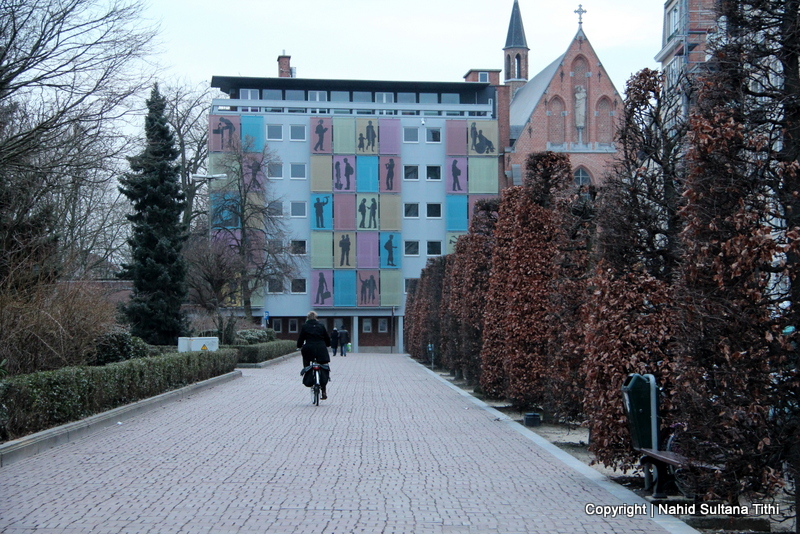
TIME of TRAVELING: We’ve been to Leuven couple of times, but never with my camera. It was my birthday on 1st week of February and my husband and my daughters treated me in one of the restaurants close to Muntstraat. Leuven is only 15 minutes’ drive from our village, (Vossem) Tervuren. It was freezing cold that evening, very usual for this time of the year in Belgium.
EATING and SHOPPING: As I mentioned, we dined in a Thai restaurant called Thai Food House. This round-shaped building with glass windows on Tiensestraat can’t be missed. Most of the restaurants in Muntstraat (which is the main hub for restaurants) are stylish and perfect place to celebrate any occasions.
Although I haven’t seen any shopping stores near Grote Markt, but Bondgenotenlaan and Deistsestraat close by have many brand name places, local boutique shops, as well as not-too pricey stores. Will update this page as we go there more in the future.
PLACES WE’VE VISITED: We spent only two evenings in Leuven so far, mainly for dining and little bit of walking around. We couldn’t visit the Castle Arenberg of K.U.Leuven, which once was a mansion of a rich local and was later donated to the university.
1) GROTE MARKT: This is a small but lively square in the center of the city. Other than few restaurants, it houses Leuven’s Town Hall and historic St. Peter’s Church. Nearby smalls streets and alleys are nice to explore as well. Typical Flemish-style buildings line up in one side of the square, which were once the guild houses for the business traders.
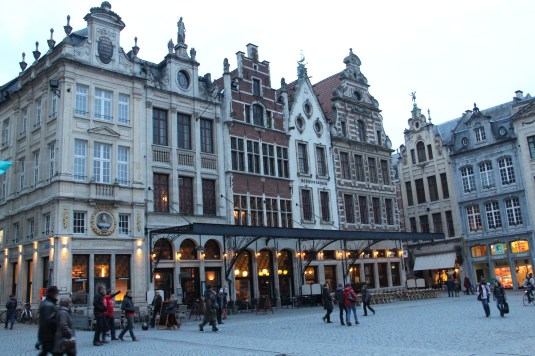
- Typical Flemish-style buildings in Grote Markt of Leuven
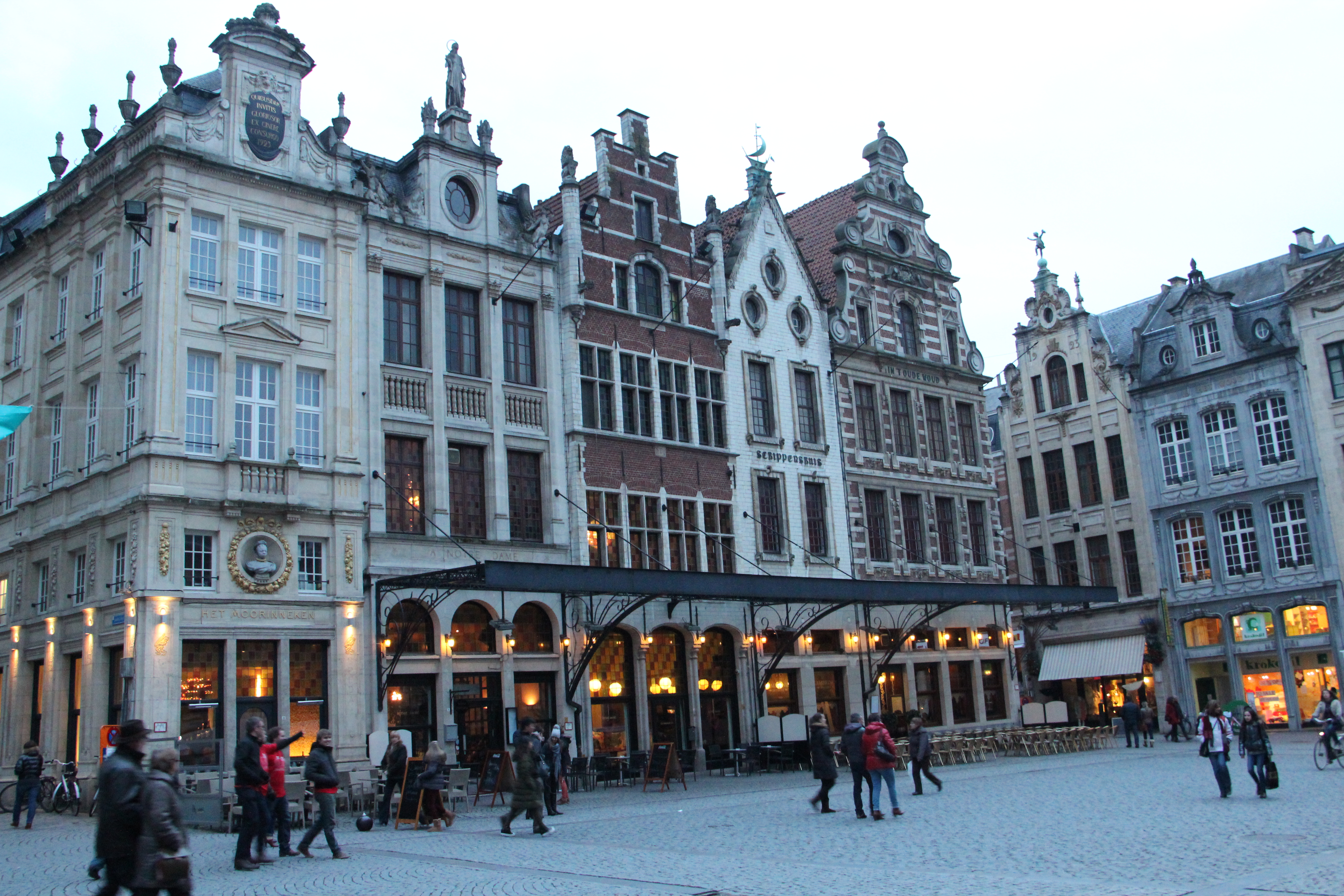
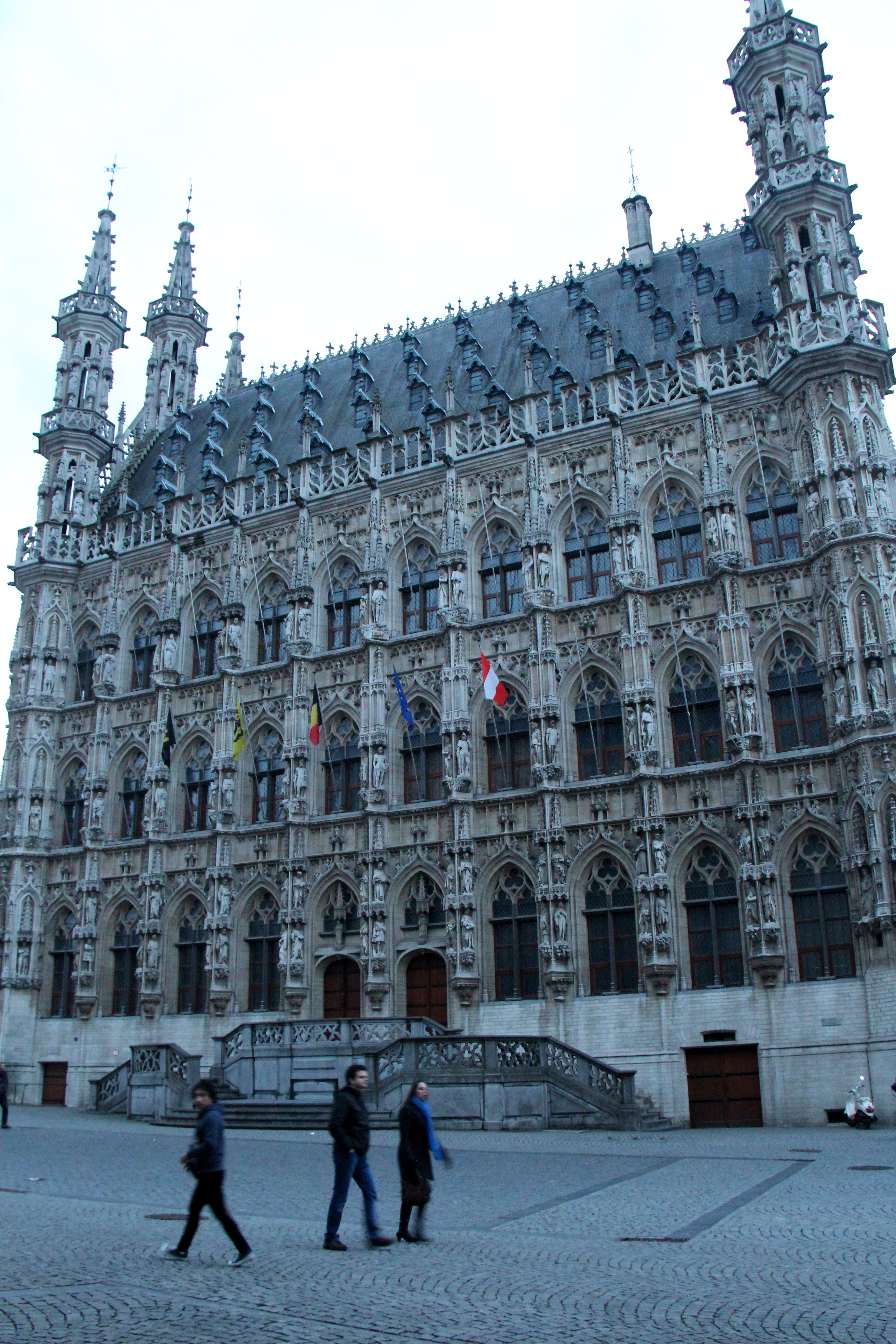
2) TOWN HALL (STADHUIS): This 15th century late Brabant Gothic style building is the first house in Grote Markt. This overly sculptured town hall is decorated with 6 spires crowning the corners and sides, pedestals with biblical scenes, and statues of people who played roles in the city’ history. We couldn’t go inside the building but I am sure visitors can access some part of it in weekdays.
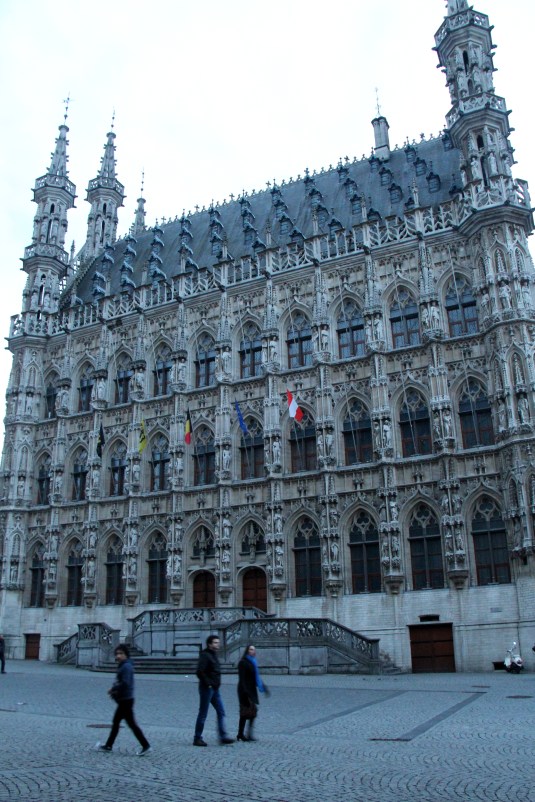
- Leuven Town Hall (Stadhuis) in Grote Markt, heart of the city
3) ST. PETER’S CHURCH (SINT PIETERSKIRK): Also situated in Grote Markt right opposite of town hall, the belfry of St. Peter’s Church is a UNESCO World Heritage site. The current Brabant-Gothic church replaced an earlier Romanesque church. Inside didn’t look much Gothic to me, but very nicely decorated. There is a little golden man who rings the bell at the top of the church every half an hour…quite nice to look at it.
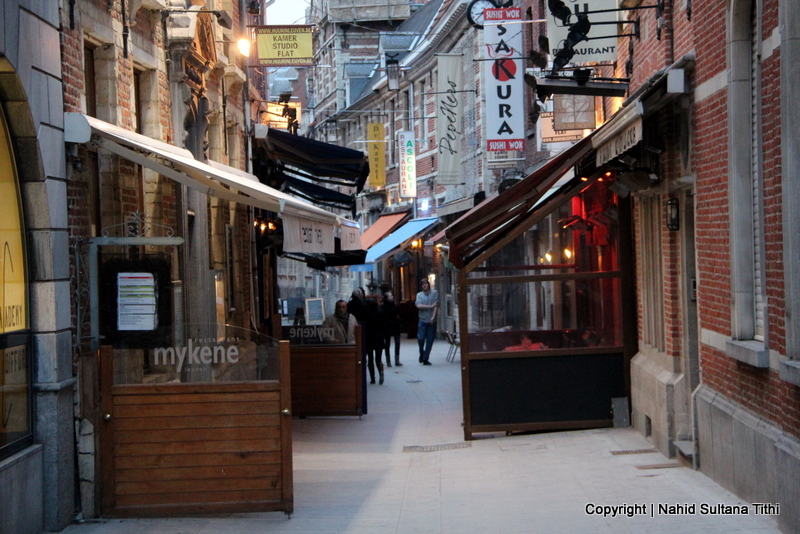
4) MUNTSTRAAT: Also known as “Leuvense Culinaire Hoofdstraat” or Leuven’s Main Culinary Street. This is a street very close to Grote Markt, full of many restaurants from around the world. You will find Mexican, Italian, Sushi bars, Thai, Belgian, Moroccan, and Japanese kitchens in Muntstraat. It’s recommended to make reservation for these places to avoid any disappointments.
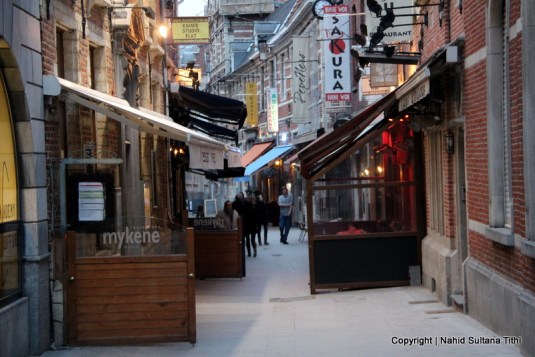
- Muntstraat, Leuven’s main culinary street, Belgium
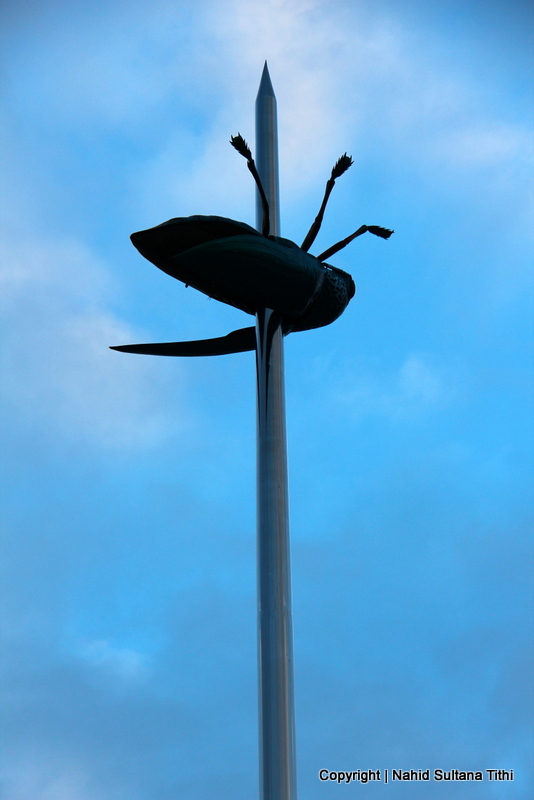
5) LADEUZEPLEIN (LADEUZE SQUARE): This is a big open square housing University Library at one side. Another surprise of this square is a tall needle with a green beetle stuck on its head, known as Totem. This 23 m high needle was erected in 2005 and catches your glance from distance.

- Known as Totem, a beetle stuck on a needle, in Ladeuzeplein, Leuven
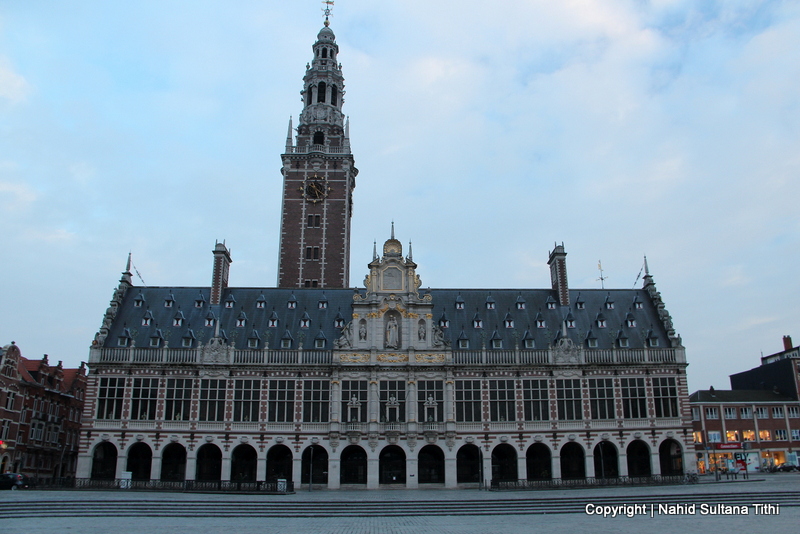
6) K.U.LEUVEN: Katholieke Universititet Leuven (Catholic University of Leuven) is the world’s oldest Catholic university still in existence, dating back to the mid-15th century. The town is really lively and eventful during academic months. Castle Arenberg is a historical spot within the university, which we only saw from a distance at night.
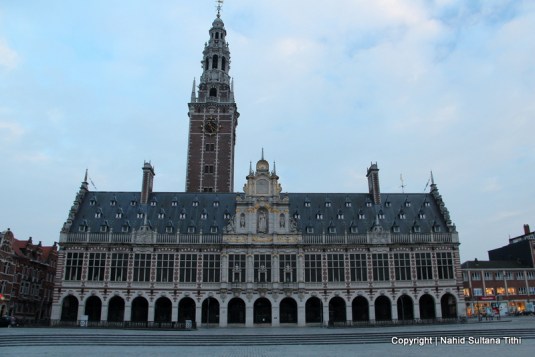
- Historic university library in Ladeuzeplein, Leuven
Related articles
- Bucket list before moving back to America in summer of 2014 (journeyaroundtheglobe.com)
Share this:

Enchanting Marrakech
MARRAKECH, MOROCCO: Marrakech is one of the major destinations not only in Morocco but in whole Africa for its location and unique landscape. Situated near the foothills of snow-capped Atlas Mountains and very close to Sahara desert, Marrakech is a city with magic in every corner. We didn’t really spend time in the new part of the town. All the tourist attractions were mostly located in the historical district, known as Medina.

- Countryside of Marrakech – bird’s-eye view from the plane

The locals here speak very well English along with Arabic and French. Moroccans are very friendly and helpful. Walking around Medina on foot is the best way to experience the city and its culture. Just be careful when crossing roads as too many bikes, motorcycles, donkeys, and horses sometimes make it a bit harder to walk in the main roads.
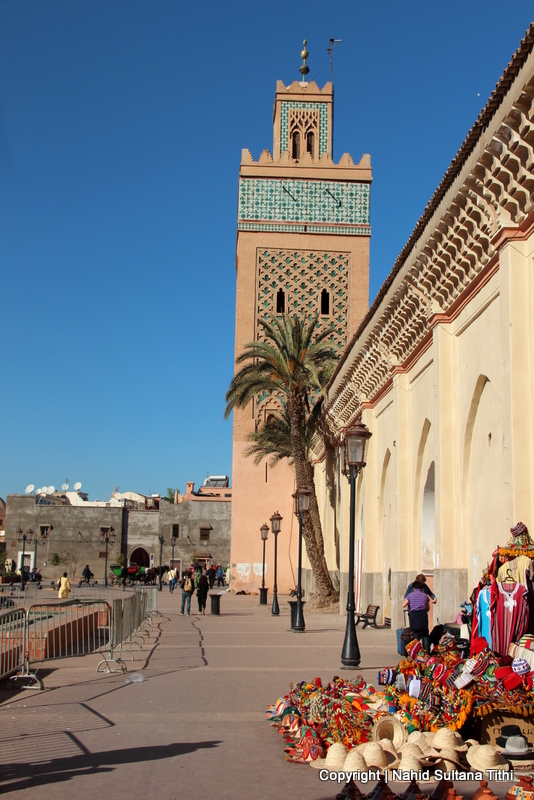
- Walking around the city, outside the walls of Saadian Tombs in Marrakech
TIME of TRAVEL: We flew to Marrakech on the first week of January 2013 during my daughter’s winter break. It can be very cold in Marrakech around this time of the year. Some days were really pleasant but got a bit chilly after dark.
OUR HOTEL: We stayed in a hotel (actually a Riad) called, Riad Dar El-Ihssane in Marrakech. This is actually not really a hotel, it’s a traditional Moroccan style Bed & Breakfast type inn, usually known as Riad. Our riad was located inside the boundaries of Medina (old town) thru some small alleys and passages and very close to Djemaa El-Fna and other major souks (bazaars). These riads are usually decorated with very traditional Moroccan style features, like cozy inner-courtyards surrounded by the guest rooms, bright-colored living spaces with old-style furniture and linens; some riads may have swimming pools and other cool features. Every day after coming back to our riad, I used to order some Moroccan mint tea, sit down in the courtyard, and enjoy the surrounding which was warmly decorated with some Moroccan lamps, candle-holders, some plants, and a small fountain. It’s a family run riad and one of the staff’s sister used to prepare breakfast for us. We had cheese, olives, breads (sometimes home-made crepes or Indian style parathas), home-made jam, fresh orange juice, fresh fruits, boiled eggs, coffee, and milk for the kids. The breakfast and Wi-Fi were free. Our room was very clean and all the staffs were very helpful and friendly. Every night they used to burn incense in the courtyard and I could get that sweet smell from our room…I felt like I am sleeping in a Sultan’s palace. But one thing specifically about our room was that we had NO DOOR for our bathroom…yes, it sounds weird but I guess that was a little part of the whole experience in Marrakech. Using the toilette and taking shower in a bathroom without doors is a funny feeling, especially when you have curious kids around you. I never got used to that during our stay there, so I ended up using the bathroom near the reception J

- The courtyard of our Riad Dar Al-Ihssane in Marrakech

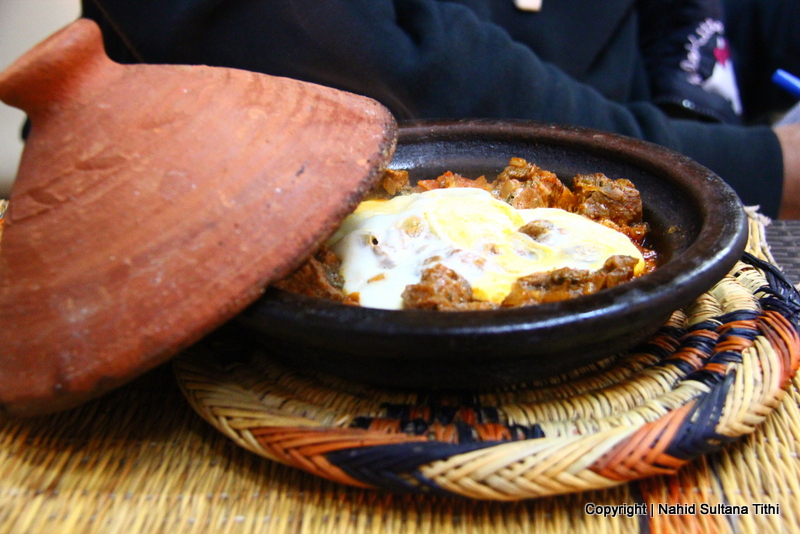
EATING and SHOPPING: You can get wide variety of dishes inside the old walls of Medina. There are few permanent restaurants in one side of Djemaa El-Fna, where we had our first dinner. The place was called “Taj’in Darna”, we sat on the 2nd floor with a whole nightly picture of Djemaa El-Fna from the window. Dried fruit juice and avocado juice were something we never tried before and had to taste it. We also had beef kebab taj’in with eggs that night. “Café Arabe Marrakech” is another place we went for a lunch which is very upscale and luxurious multi-level restaurant with a terrace, courtyard, and inside sitting options. I didn’t see any locals here; mostly westerners come here for drinks, to chill, or to have exquisite meals from professional chefs. This was by far the best place we’ve dined in Marrakech. Café Arabe has menus offering traditional Moroccan dishes as well as Italian dishes. I tried harira soup, which combines vegetables, rice, lentils, chick-peas, and lamb in aromatic spices. Another evening, we ate in the open food-court in the middle of Djemaa El-Fna. You won’t see these restaurant during day time. They start setting their restaurants up every day before evening and there are too many of them to choose from. I won’t highly recommend eating here if you are looking for some good food. We had some tasteless kebabs with fries and salad that night and I never wanted to go back there again.
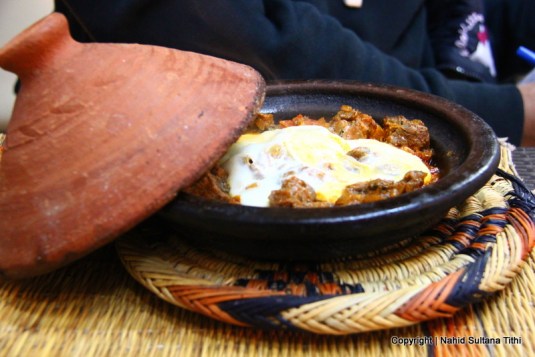
- Our first dinner, traditional Moroccan beef tagine with egg in a restaurant, Taj’in Darna, in Djemma El-Fna
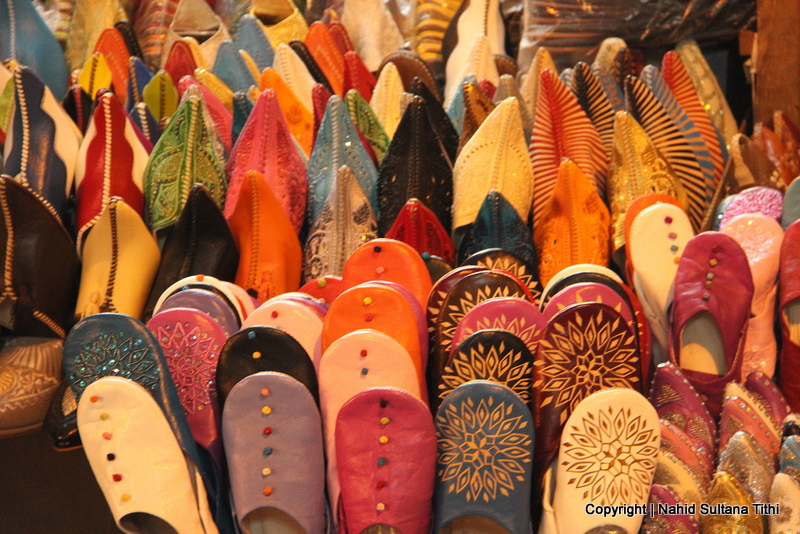
For shopping, I literally went crazy while roaming around the souks in Marrakech. I wish I had more space in our suitcase during this trip. You can seriously empty your pocket buying many unique souvenirs from here. I ended up buying different sizes of tagines (traditional clay pottery for cooking and serving), a Moroccan style hanging candle-holder, tea set, silver tray, small folding table for serving tea, babouche (Moroccan slippers), and saffron. I still wanted to buy a painting, a silver tea-pot, scarves, more spices, rugs, mirror, colorful serving platters, and bowls. We saw many vendors in and around Djemaa El-Fna who were selling dry fruits like dates, figs, raisins, and other things. Don’t forget to drink freshly squeezed orange juice from here.
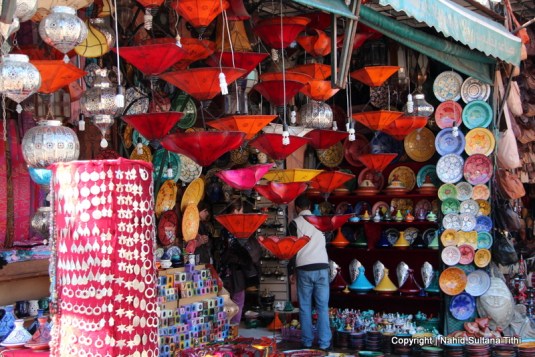
- A souvenir shop near Djemma El-Fna, Marrakech

You have to bargain while shopping in Djemaa El-Fna or other nearby souks. Start bargaining from one-third of whatever the price the salesman tells you. You can find pirated CDs for cheaper price here too. You can use credit/debit cards pretty much in any of the shops but I won’t recommend it for fraud and extra fees. There are many exchange booths near Djemaa El-Fna who will give you good rate for your currency.
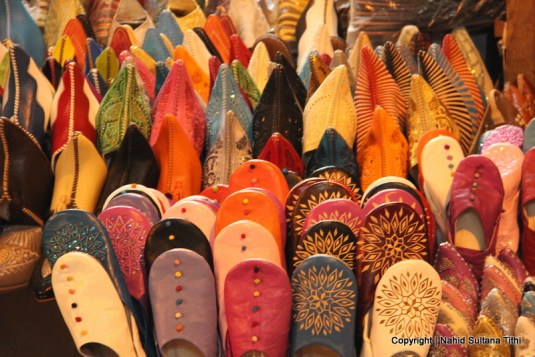
- Moroccan babouche (slippers) in a souk of Marrakech
PLACES WE’VE VISITED: All the places we’ve visited in Marrakech were inside the old walls of historic district, Medina. It’s hard to picture the hustling-bustling and enchanting life inside Medina from the other side of the wall. The fun is to get lost in the mazes of this old part of Marrakech and navigate thru the exotic alleys without any map. Other than the places below, visiting tanneries, museums, and some gardens may be good choices if you can spare some time. Royal Palace is also located very close to Djemaa El-Fna but cannot be accessed since the royal family still resides there. In Marrakech we spent 3 full days and it was perfect. Doesn’t matter how long you stay here, dip into the magical life inside Medina and enjoy every bit of its character to the fullest.
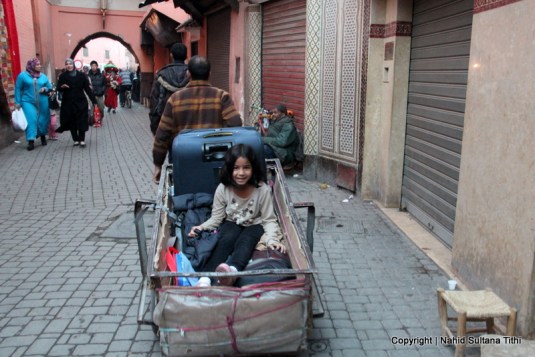
- My daughter is being hauled off in a luggage cart towards our riad, in Medina, Marrakech

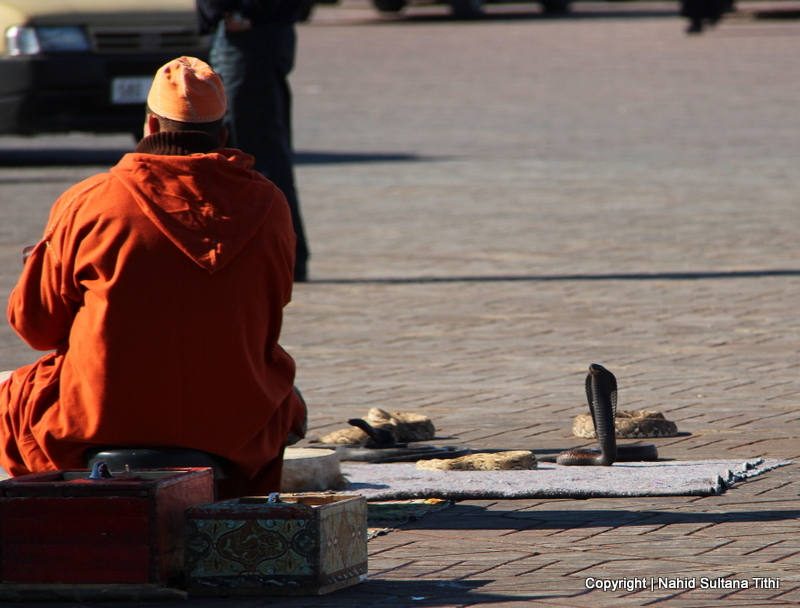
1) DJEMAA EL-FNA: This is the beating heart of Marrakech and the place to get a vivid picture of this enchanting city. If you have only couple hours to spend in Marrakech, Djemaa El-Fna would be the spot where you would want to stay absorbing its unique atmosphere. This is the biggest and main square surrounded by many restaurants and shops. During day, the place is packed with many snake-charmers, people with monkeys, women to design henna on tourists, horse-wagons, and smaller vendors selling trinkets. At night, it’s a totally different picture and is the best time to enjoy Djemaa El-Fna. Hypnotic music and loud drum beats fill this place with excitement. Musicians, dancers, and actors/actresses keep this party alive until late at night. Enjoy different kinds of dishes that the open-air restaurants offer in the middle of the square; after that may be a glass of freshly squeezed orange juice. This is the best place to see, hear, and taste Marrakech to the fullest; this place is all about enjoying life and the moments…so enjoy every second.

- Djemma El-Fna at night, Marrakech

Just to give you some ideas of the prices on different services in Djemaa El-Fna, I must say some shows, like musicians/dancers usually don’t demand any fix amount while snake-charmers or monkey performers may want a specific amount. It’s always better to agree on the price before anything. Horse-riding for 45 minutes charged us 75 DH and henna tattoo on both of our daughters (on one hand each) was for 50 DH total. Whatever you do, don’t let bargaining ruin your fun…really not worth it.
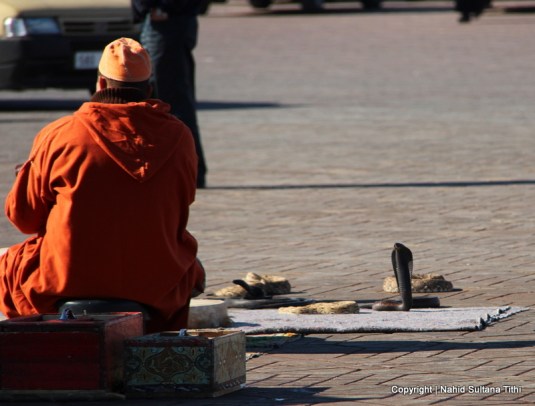
- A snake-charmer in Djemma El-Fna, Marrakech during day time
2) KOUTOUBIA MOSQUE: The mosque was completed in the late 12th century and the exterior is made from brick and sandstone. This is known as the “Eiffel Tower” of Marrakech and its tall tower can be seen from many parts of the city and from Djemaa El-Fna. It doesn’t take more than couple minutes of walk to reach there from Djemaa El-Fna by passing the rows of rental horse-carriages. Unfortunately, the mosque is not open to tourists. Muslims are allowed inside only during prayer time. Since we couldn’t go in, we decided to just walk around the perimeter of the mosque passing some old ruin and gardens.

- Walking towards Koutoubia Mosque from Djemma El-Fna, Marrakech

3) EL-BAHIA PALACE: Located within walking distance from Djemaa El-Fna and El-Badi Palace, El-Bahia Palace is really an awesome attraction and a must-see in Marrakech. This gives a good impression of what it was like to be a nobleman in the 19th century in Morocco. The ornate rooms, long passageways, tranquil gardens housing many lovely plants, calm courtyards with fountains can keep its guests entertained for couple hours. Enjoy the original tile works on the fire-places, doors, windows, and lots and lots of stray cats outside the building.
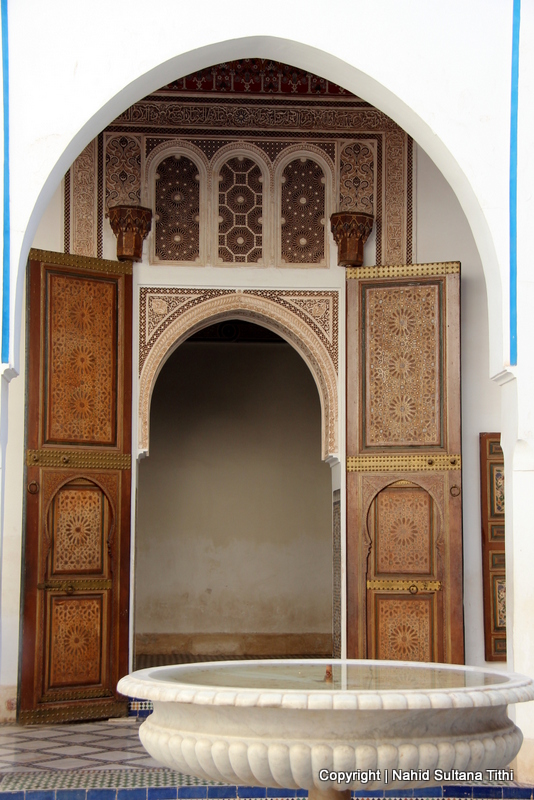
- One of many courtyards with a fountain in El-Bahia Palace, Marrakech

The palace charges 10 DH per person (free for kids under 12). Be careful of the tour guides inside the palace; they usually pick random people and start telling history, then charges a lot of fees for showing you around. If you want a guide, better to bargain and set the price beforehand.
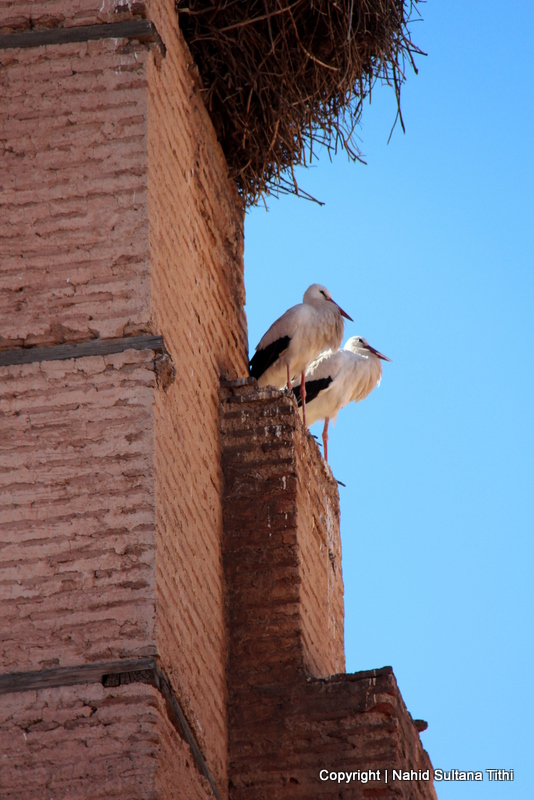
4) EL-BADI PALACE: The unique Badi Palace was a royal palace constructed by the most famous king of Saadien dynasty, Sultana Ahmed Al Mansour Addahbi in 1578. The general plan of this palace was inspired by Alhambra Palace of Granada. The palace is now in ruins and home of many storks and stray cats. Couple of the rooms still have the original exquisite mosaics and tiles.
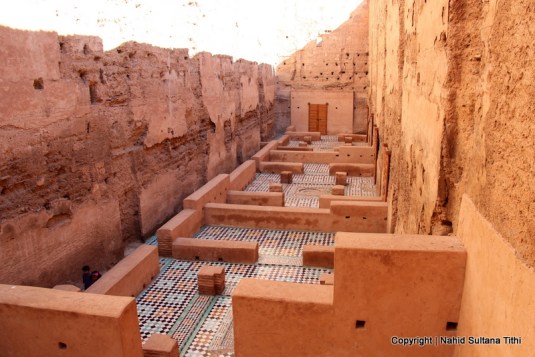
- A nicely preserved room in El-Badi Palace in Marrakech, Morocco

It took us good 15-20 minutes of walk from Djemaa El-Fna, passing some busy and congested streets. It’s open from 9 am – 4.45 pm and entry fee is 10 Moroccan DH (free for kids under 12). We spent about 45 minutes in this palace enjoying its rooms and gardens leisurely.

- Walls of El Badi Palace in Marrakech – home of lots of storks and stray cats
5) SAAADIAN TOMBS: This is a very well-preserved graveyard from the time of Saadien around late 16th century. This is the home of many tombs from different religions and background. The fantastic wood and stone carved doors are totally jaw-dropping. Inside the main building, you can take a peek at the room with few important tombs decorated with overloaded Moroccan tiles. The garden is a nice place to walk around and enjoy different colors of roses, tall palm trees, and many other pretty plants.

- One of the rooms with few tombs in Saadian Tombs, Marrakech

Entrance fee is only 10 DH (free for kids under 12) and you can easily spend a good hour enjoying its garden and the tombs.
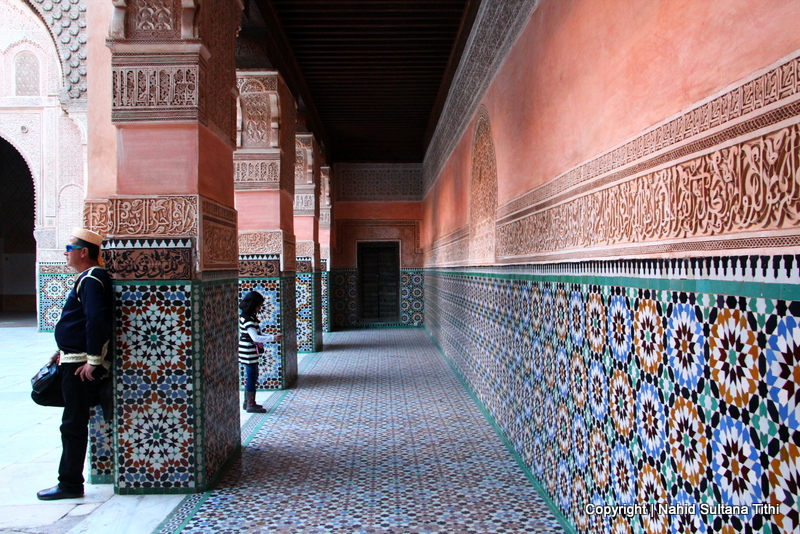
6) BEN YOUSEF MADRASA: This madrassa (Islamic school) is one of the largest madrassa in the North Africa and has been standing here since mid-16th century. Located in Medina, this is another great example of early Islamic art and architecture. We saw the small rooms where little children and may be teachers lived once. The center and the main courtyard is intriguingly marvelous and is decorated with mosaic floor, tiled fountain, and calligraphic walls…the beautiful carvings of them are something beyond my limited words can describe.

- Calligraphic walls in main courtyard of Ben Youssef Madrassa in Marrakech, Morocco
The madrassa is open from 9 am – 6 pm. Ticket to enter is 50 DH per person (free for kids under 12) only for madrassa and 60 DH for the madrassa and museum.
7) SOUKS: Souks or the markets are the best place to enjoy the real essence of Marrakech. Located just beside Djemaa El-Fna, these souks sell almost anything including tagines, lamps, spices, babouche, tea sets, tea-pots, Islamic clothing, home decorations, shawls or scarves, and many other things that you won’t find anywhere else in the world. Of course, you end up paying more for being a non-Moroccan. Nevertheless, do what the locals do and don’t forget to look around and bargain before committing to buying. You can have a whole day dedicated just exploring the little alleys of these souks and looking for the best bargain.

- Marrakech souks after dark

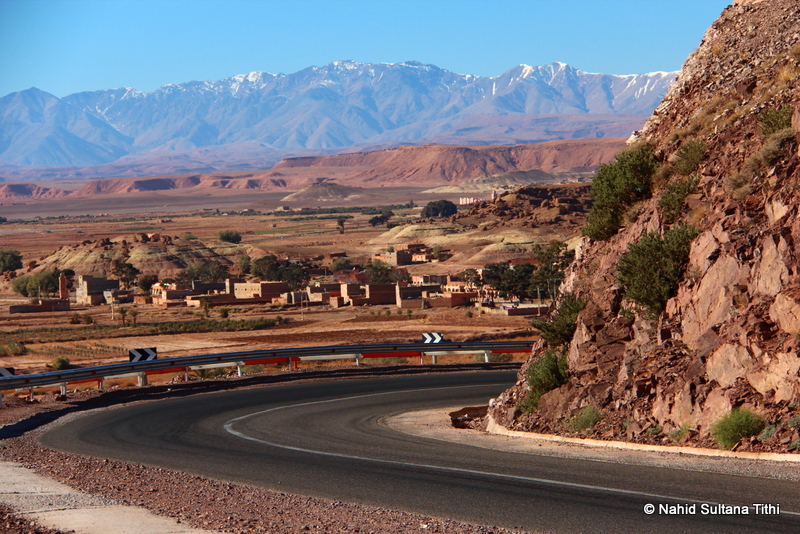
8) DAY-TRIP to OUARZAZATE: Ouarzazate is about 200 km south of Marrakech. This was a nice way to get out from the city life and visit not only the natural beauty of this country but also the life-style of local Berbers. We needed some fresh air after being in Djemaa El-Fna, Marrakech for few days and this was just a great escape to the wilderness. We paid 1200 Moroccan Dh for the whole arrangement which included a tour-guide who was also a driver. Please visit my page on Ouarzazate on the right-side bar for all the information on the city. There were many other day-tours we could’ve chosen (e.g., Ourika Valley) which were available through our riad (hotel where we stayed).

- Road to Ouarzazate…beautiful snow-capped Atlas Mountains and the valley
Related articles
- In a land of Moroccan Barberes – Ouarzazate, Morocco (journeyaroundtheglobe.com)
- in Marrakech, Morocco (journeyaroundtheglobe.com)
- Marrakech to Build Medical Tourism City (altahrir.wordpress.com)
Share this:

Business Excellence Award 2020 from AI Global Media for The Most Entertaining Personal Travel Blog – Pacific Northwest USA

Top Posts & Pages


Authors
 Globe Runner
Business Excellence Award 2020 for The Most Entertaining Personal Travel Blog – Pacific Northwest USA

Business Excellence Award 2020 from AI Global Media

 Journey Around The Globe