Journey Around The Globe
ready for the next destination
A day in Portobelo, Panama
PORTOBELO, PANAMA: About an hour and twenty minutes of drive from Panama City is Portobelo, in the Caribbean coastal area known as “Costa Arriba”. Historically, Portobelo was Spaniards’ richest treasure port and a fishing village. Now, let’s just say it can be a nice getaway from the chaos of big cities.
We started our tour at 9am and took about 8 hours all together. We visited few other places before and after Portobello. Our original plan was to go to both Portobelo and Colon. Therefore the fee was $200, but we couldn’t manage to go to Colon for shortage of time. Colon is another historic town of Panama, about 45 minutes’ drive from Portobelo, where new expansion of Panama Canal is taking place.
TIME of TRAVEL: We took this trip to Portobelo on our second day in Panama. First day we roamed around the capital with the same taxi driver exploring the history, culture, and city life of this place. Before Panama, we were in El Salvador. Our next destination was Costa Rica and Nicaragua from here. This was our first trip to Central America which we took in the mid-March of 2015. We got to see a lot in this two weeks of vacation.
OUR HOTEL: Our hotel, Hyatt Place Panama, was in downtown Panama City. Apart from having a roof-top swimming pool and a fantastic view of the city from the room, the hotel was nicely located in the heart of the capital. Portobello was about an hour and half drive from here. The taxi we hired for this trip was arranged from this hotel.
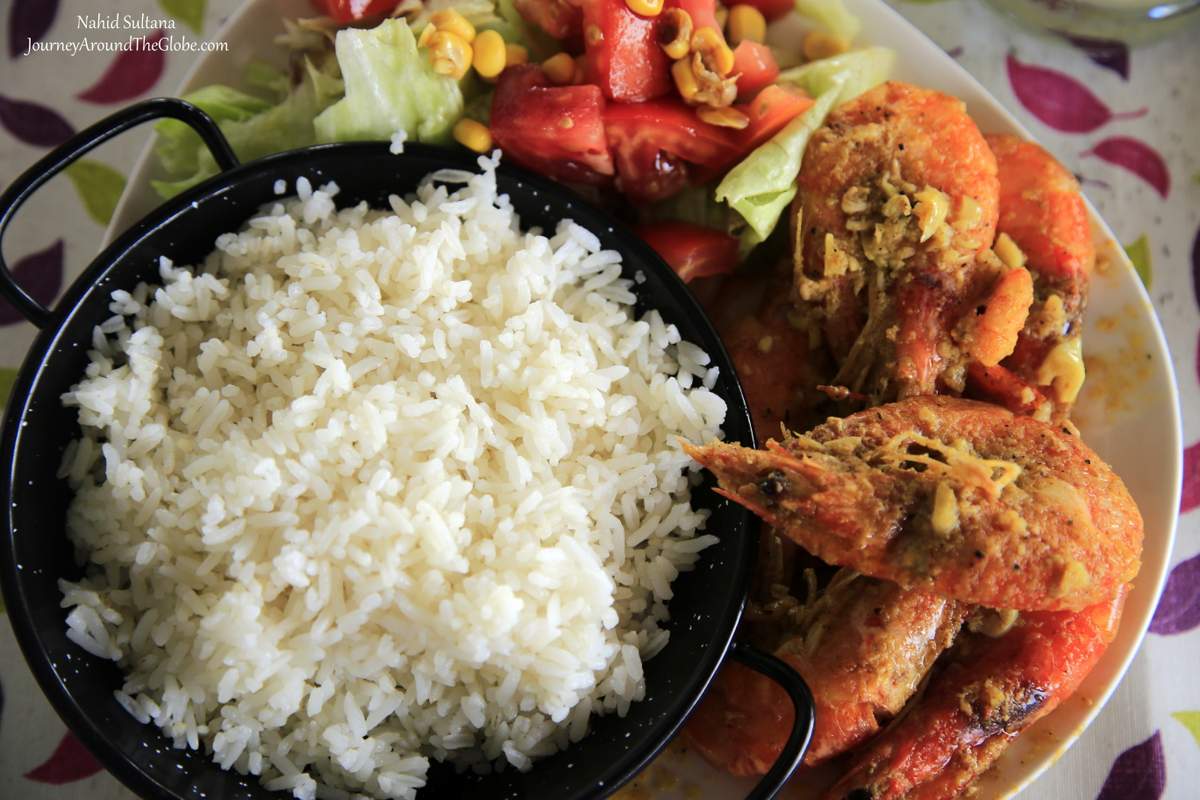
EATING and SHOPPING: Many of the restaurants were closed or shut down in Portobelo. There were some street side places which our driver didn’t recommend us for hygienic reasons. He took us to a nice but not-too-fancy place, called “El Palenque” near Santiago Battery. It’s not a huge restaurant that can hold many people nor did it have a long list menu for its guests. But they had some good quality dishes with some fusions. We sat outside by the water and only two other tables were occupied. I had to get some fresh juice, like papaya, watermelon, and pineapple. We ordered some rice with shrimp, rice with prawns, and salad. They were cooked somewhat in combination of Central American and Caribbean style. The rice was cooked in fresh coconut water and shrimps/prawns were perfectly cooked with perfect seasonings.
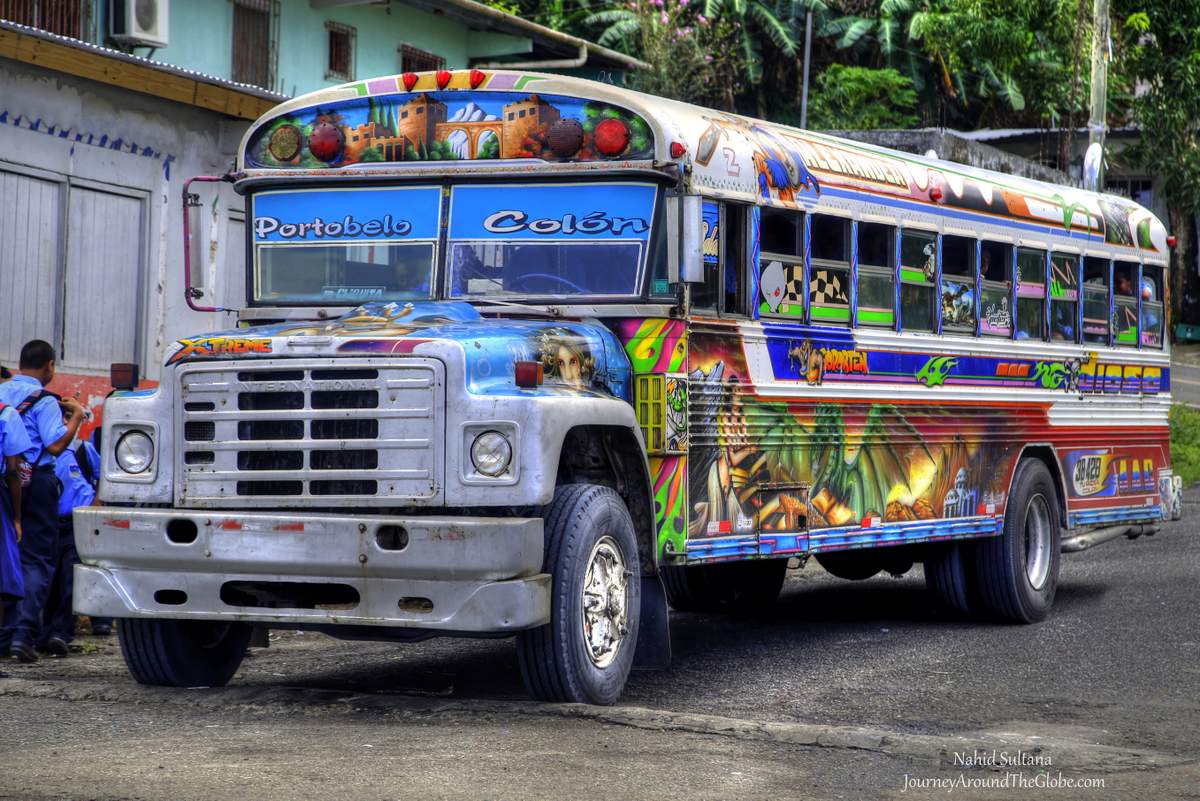
Portobelo is not an ideal place for fancy shopping or hunting for souvenirs, actually we barely saw even souvenir stores here. There were some vendors with carts outside the Iglesia de San Felipe selling generic jewelries and small trinkets, but didn’t really find anything unique that caught my eyes.
PLACES WE’VE VISITED: As I mentioned above, this trip was about eight hours long and we couldn’t visit Colon, which was originally part of our plan. These are some of the places we’ve visited in and around Portobelo.
1) PLAYA la ANGOSTA: Playa la Angosta kind of popped up in front of us on our way to Portobelo and thanks to our driver that he noticed and took us there. This is a beautiful beach in the Caribbean coastal area of Costa Arriba and with all the coconut trees, it may give you a feeling of Caribbean beaches in some way.
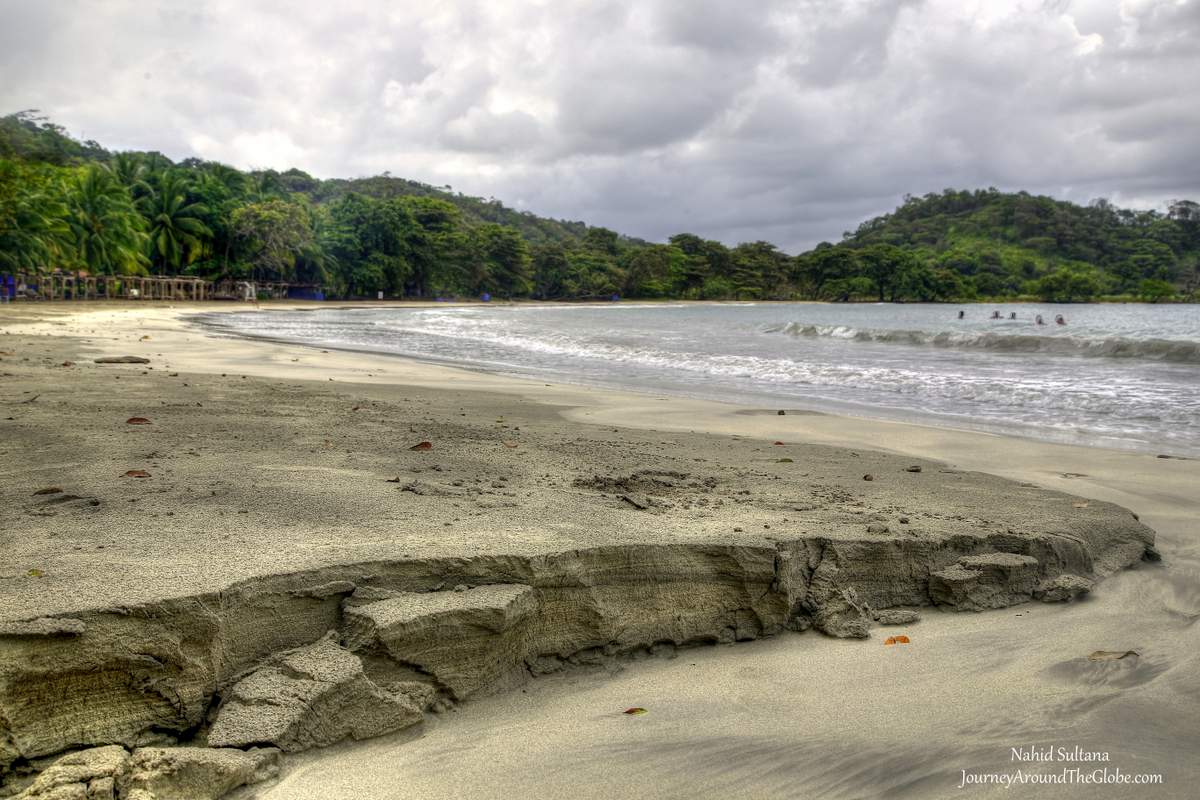
It was not crowded with loads of people, just some families scattered around. We had only half an hour here and while my girls were playing with the sand and water, I took a short walk around the white sandy beach to take some pictures. You can spend hours here just sitting under one of the straw-hut tables and enjoy the fresh sea-breeze while drinking some coconut water.
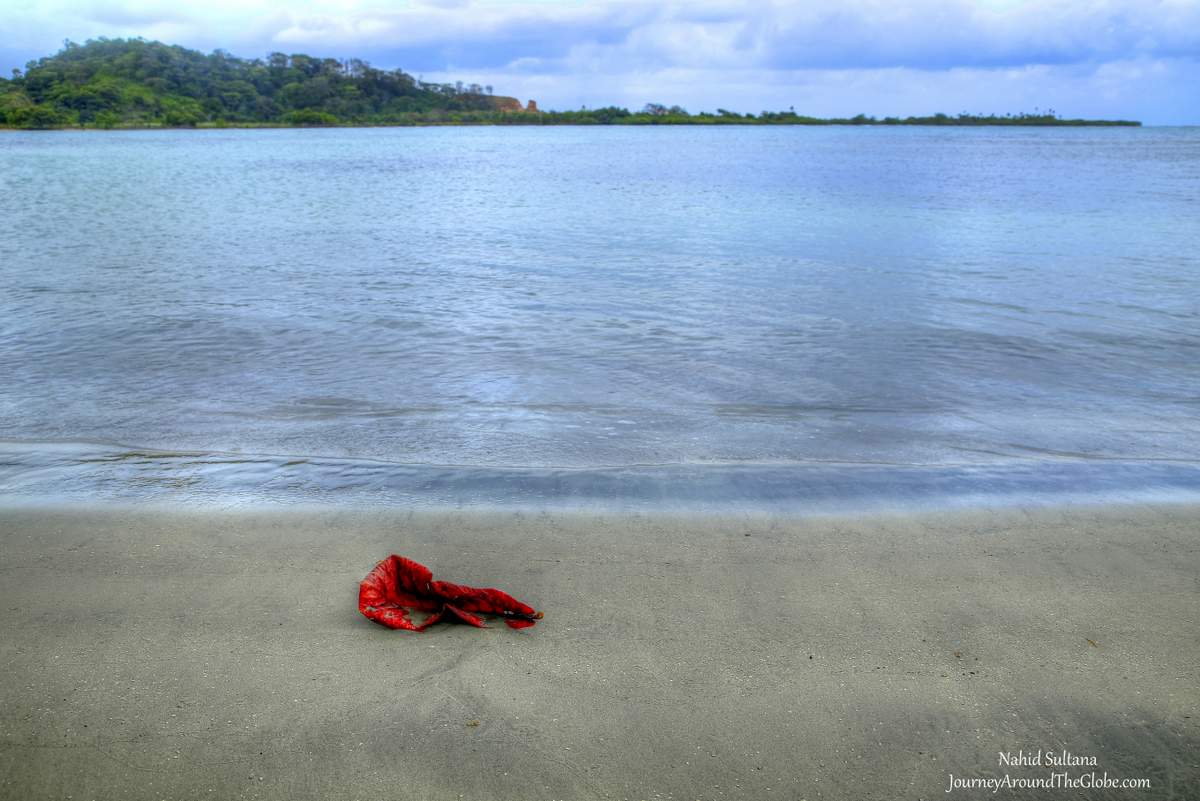
It is a private beach, visitors just have to pay $3 for parking.
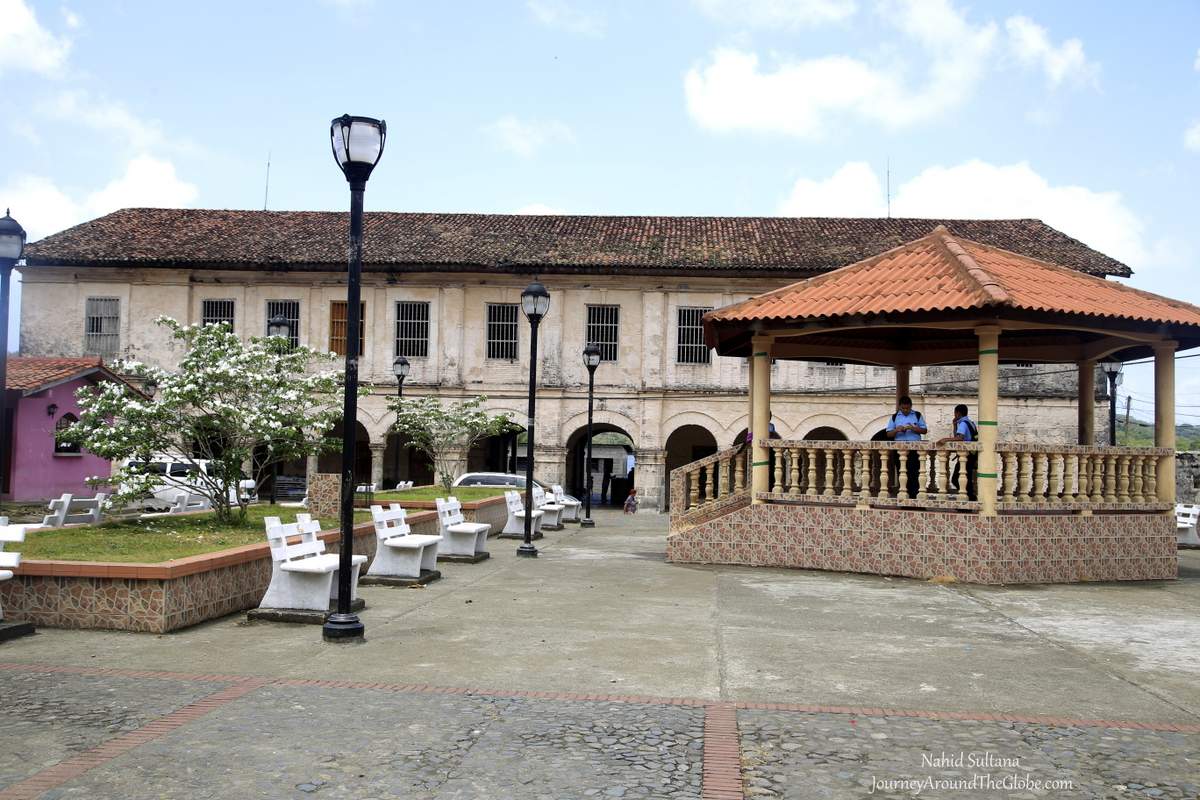
2) PORTOBELO: From Panama City to Portobelo was a fantastic scenic ride. We had blue Atlantic on the left and green rainforest on the right. Striking natural beauty were everywhere. After half an hour drive from Playa la Angosta, we were in Portobelo. When stepping outside the van near Plaza Mayor, I felt like the town was frozen in time. Its endearing small-town characteristics instantly captured my mind.
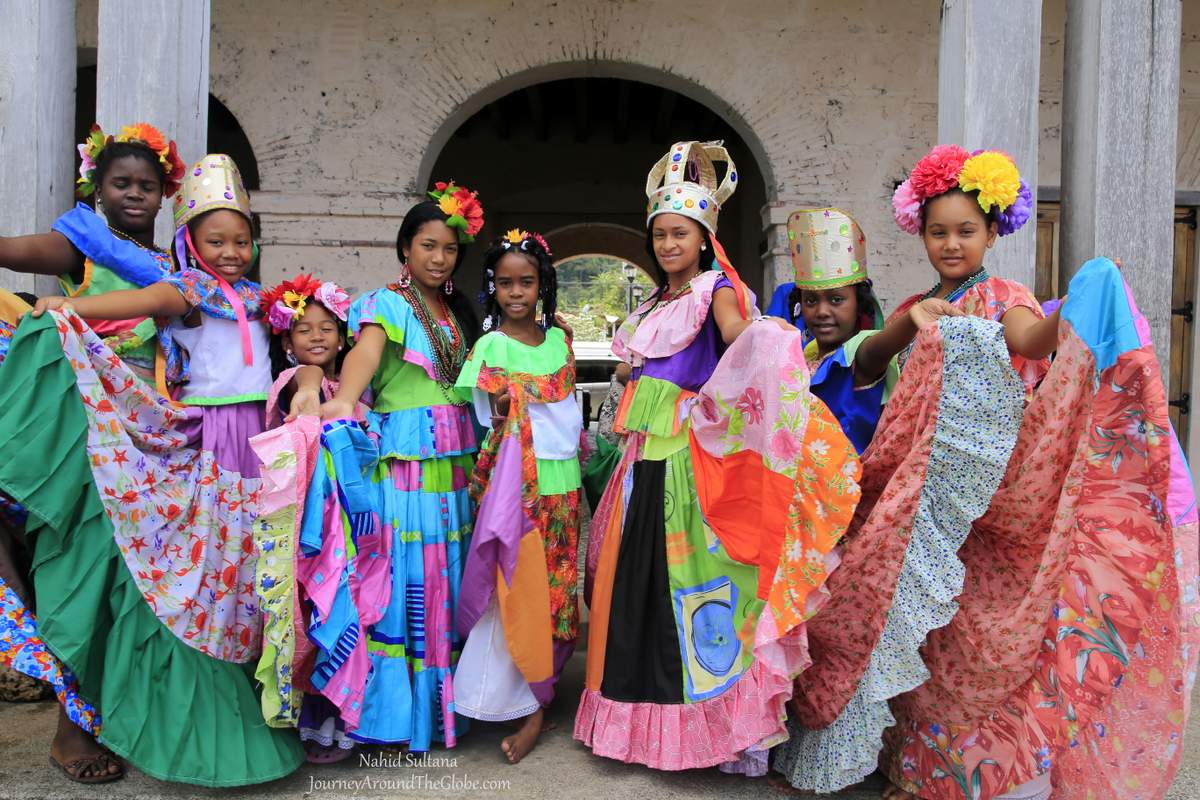
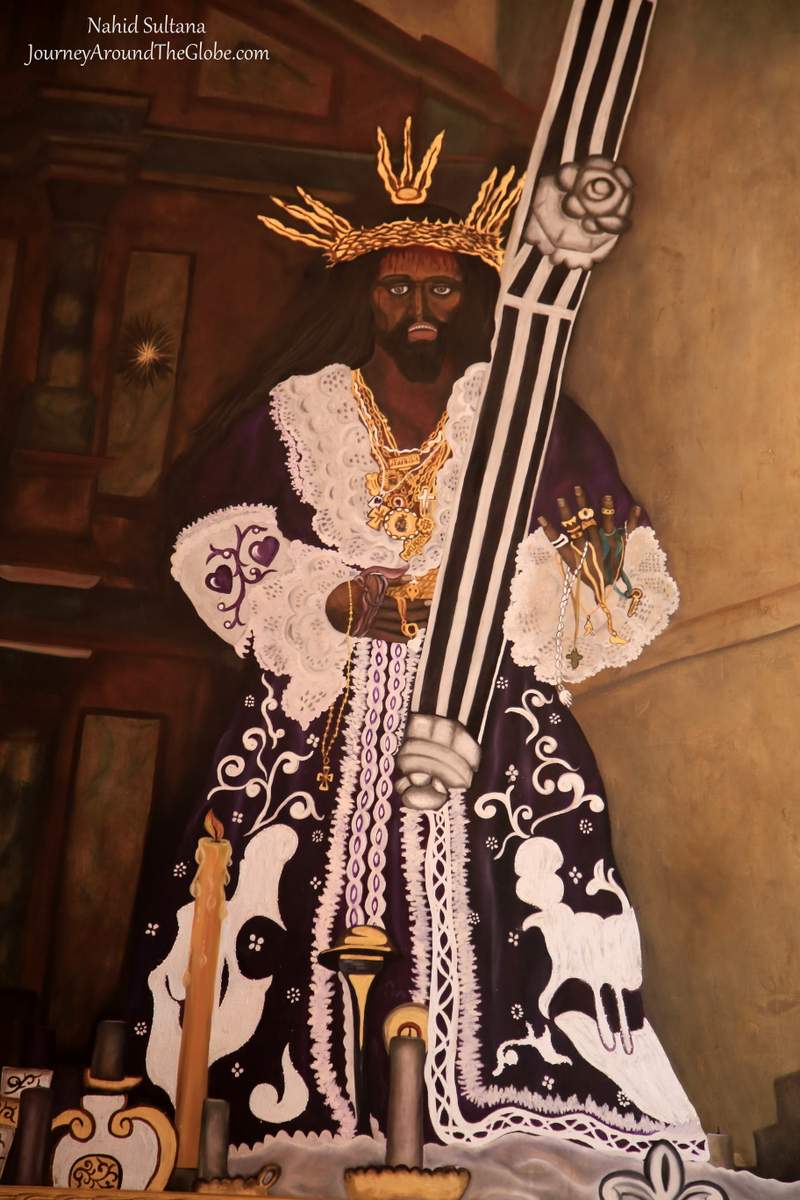
Portobelo is a town with population of roughly 5,000 and about 500 years old. This was the first town in the Atlantic side and Spaniards built this town as a port. It is well-known for its century old tradition of Black Christ celebration, which is still held every year in October in the ancient Portobelo Cathedral.
We entered Jesus Nazareno Church or Iglesia de San Felipe that dates back to the 1700s. Bold façade and its paintings of Black Christ make this church a unique place to visit.
From the church, walked thru some narrow alleys and empty neighborhoods and came to Fuerte San Jeronimo. In Portobelo, the fortresses of San Fernando, San Jeronimo, and the Santiago battery are part of the defense system. The structures lost their medieval-like features and adopted a more streamlined neoclassical style. Few centuries old San Jeronimo Fort sits by the Atlantic and only ruins are left in this fort complex now. It is believed it was built somewhere around 1758. Other than the history, just enjoy the blue water and the old ground of a fortress.
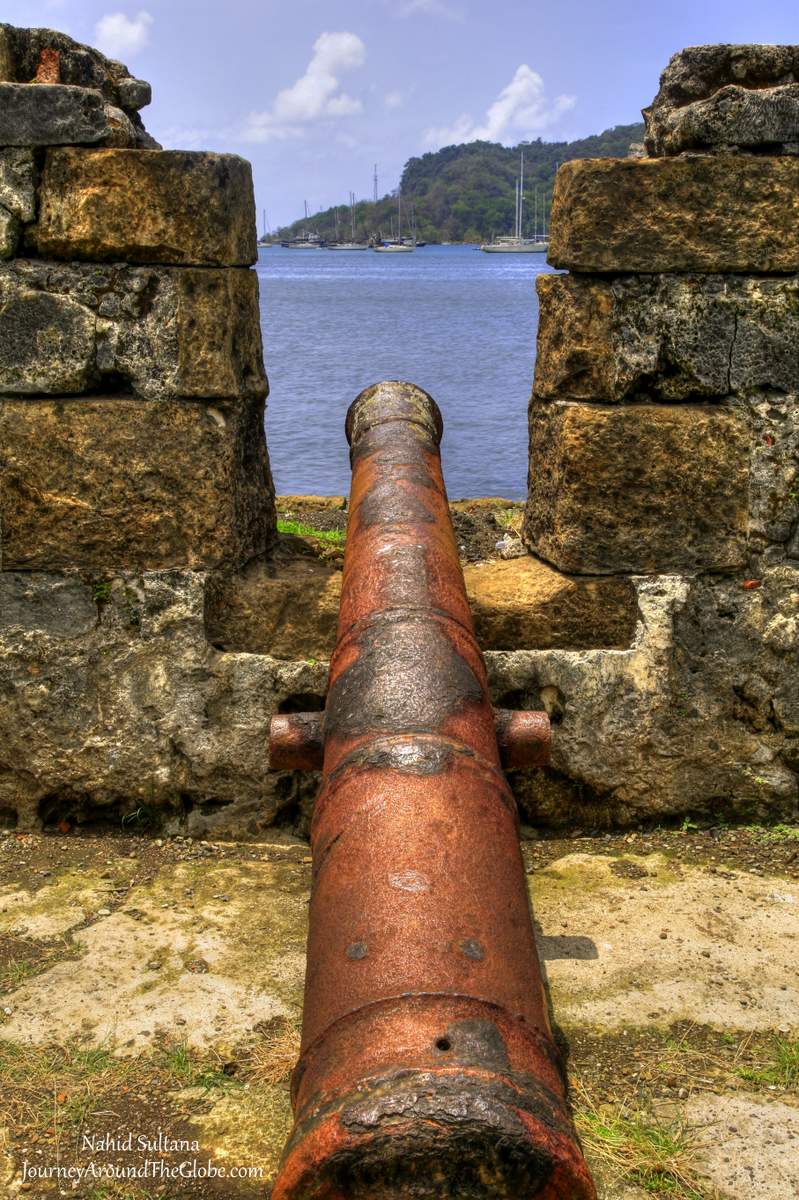
Few minutes of walk from the Fort San Jeronimo, is the Santiago Battery. The battery was planned in 1753 and only the skeletons and ruins stand by the calm water of Atlantic.
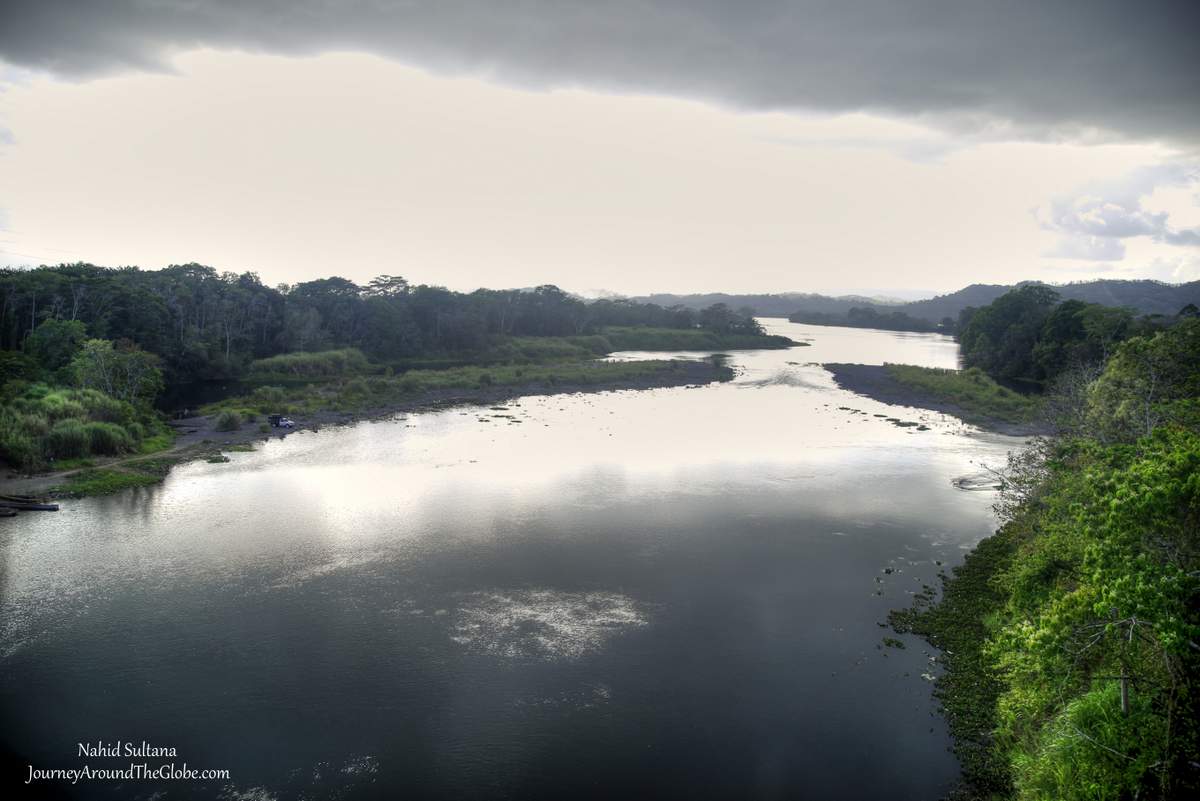
3) GATUN LAKE: In the late afternoon, after the lunch, we left Portobelo. Since Colon was canceled, the driver took us to show Gatun Lake from a highway. It is a large, long, and artificial lake that constitutes with the whole Panama Canal system. We didn’t go down to the lake, just stood on a bridge and looked over this lake surrounded by rainforest right around the sunset.
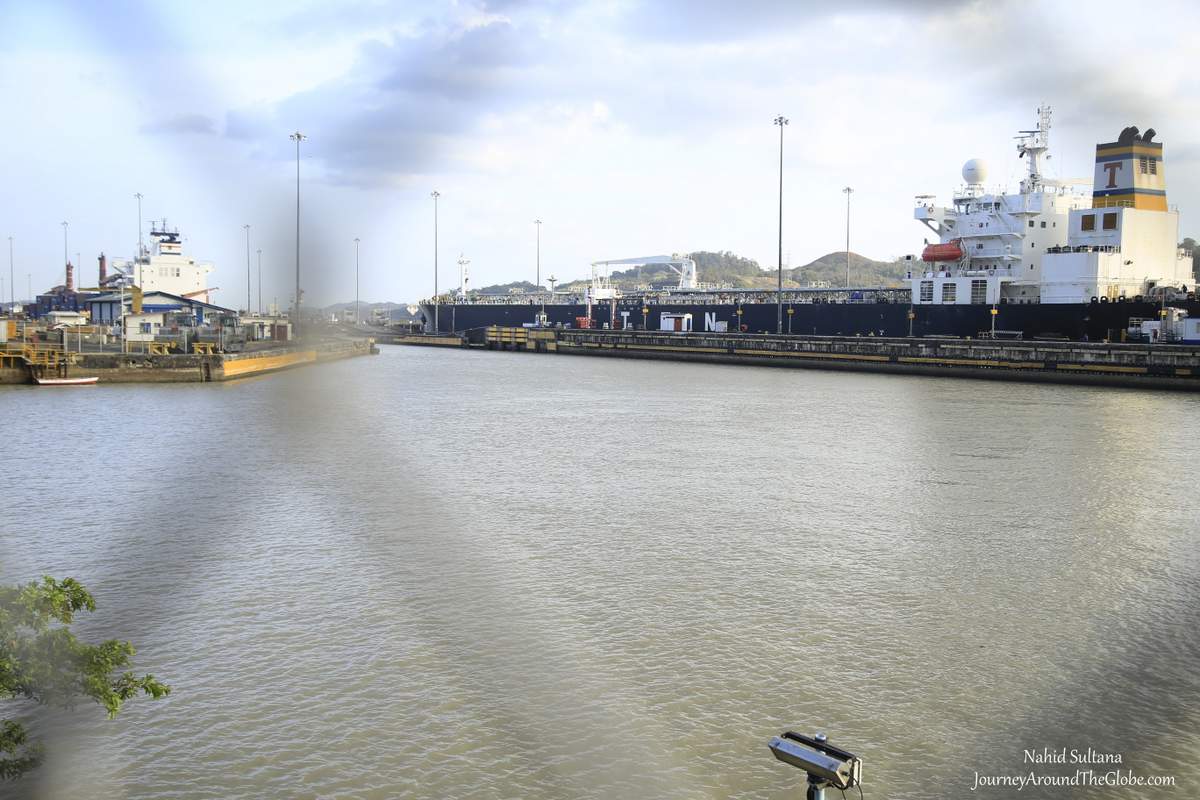
4) PEDRO MIGUEL LOCK: After crossing a narrow highway thru Soberenia National Forest, we arrived at Pedro Miguel Lock. Along the route of the canal. There are 3 sets of locks and Pedro Miguel is one of them. We visited the Miraflores Lock the previous day and now we were in front of Pedro Miguel Lock. The smallest set of locks are at Pedro Miguel Lock. Standing on the other side of the fence on a highway, we watched a big vessel slowly crossing the lock to the other side.
Share this:

Hustling and Bustling Panama City in Panama
PANAMA CITY, PANAMA: Panama City, the capital of Panama, a modern, commercial, thriving part of the whole Central America. Situated by the beautiful Bay of Panama, this capital can satisfy all ranges of tourists and guests. Its forest of buildings may remind you of Hong Kong or Dubai for its countless high-rises and beautiful skyscrapers. But that’s not all the capital has to offer. From ancient history to modern technology…this town has got it all.

If you speak Spanish, then you can mix in easily in Panama. But if you are like us and don’t know anything in Spanish, it’s ok too…most of the Panamanians speak some form of English. On our very first day here, we hired a taxi for the whole day. It wasn’t booked ahead of time, just something our hotel arranged for our family of four. The driver spoke OK English and was able to give us some information on the places we’ve visited. If you are looking for an extensive tour, then hiring a professional guide would be a better choice. But nonetheless, it worked out great for us.
Be careful of the taxis in Panama City. Best idea is to fix a price with the drive before you get on with your journey, since most of them don’t have meters. Sometimes they will try to get extra passengers on the way for extra money. Getting taxi from the airport can be tricky too. If you agree to carpool with other passengers, make sure to negotiate the price according to that and not pay full price to go to your destination. From the airport to the downtown hotels should be around $30, depending on which route the cabby is taking or where your hotel is exactly located.
TIME of TRAVEL: We made a trip to Central America right before our girls’ spring break in mid-March of 2015. Before we came to Panama, we spent few days in El Salvador (please check the right-side bar for information on our El Salvador trip). After Panama, we headed towards Costa Rica and Nicaragua. It was our first trip to this part of the world and it was a memorable one indeed. It is usually very hot in this time of the year. Being closer to the bay, the heat was milder than El Salvador. But still you would want to carry sun hats, sun screens, and flip-flops if you plan to stay out for a long time.
OUR HOTEL: We stayed in Hyatt Place Panama City in downtown capital. In the heart of Panama City, this was a great location for us. Other than Hyatt’s best customer service, we had roof-top swimming pool, fantastic view of the downtown from our room, and many eateries within the walking distance. You have lots of hotel options when you are in Panama City, different price range, locations, and variety of amenities. Casco Viejo can be another great place to stay also, if you like that colonial style atmosphere or cozy neighborhoods. Whatever you do, don’t get a hotel in a shabby places, especially when you are traveling with family or kids.
EATING and SHOPPING: Panama City won’t disappoint you when it comes to meals. You will find countless American fast-food at every corner of the town along with many local gourmet cuisines. International restaurants are also very popular and they are everywhere, especially in the downtown area. We had fast food for most of our lunches and dinners, due to shortage of time. Casco Viejo offers some of the finest dining in the whole Panama City. For true local tastes, you may have to get of the crowded city life and visit smaller towns, like we visited Portoello on our second day in Panama. We did manage to have some nice food at a fancy place, called “Restaurant Tinajas” in downtown, only 10 minutes of walk from our hotel. Hotel reception actually recommended this place when we asked where to go to try some local dishes. We had some rice with chicken and fried plantains, seafood stew, and fresh juices. They had all sorts of dishes from different appetizers, soups, salads, entrées, and desserts.
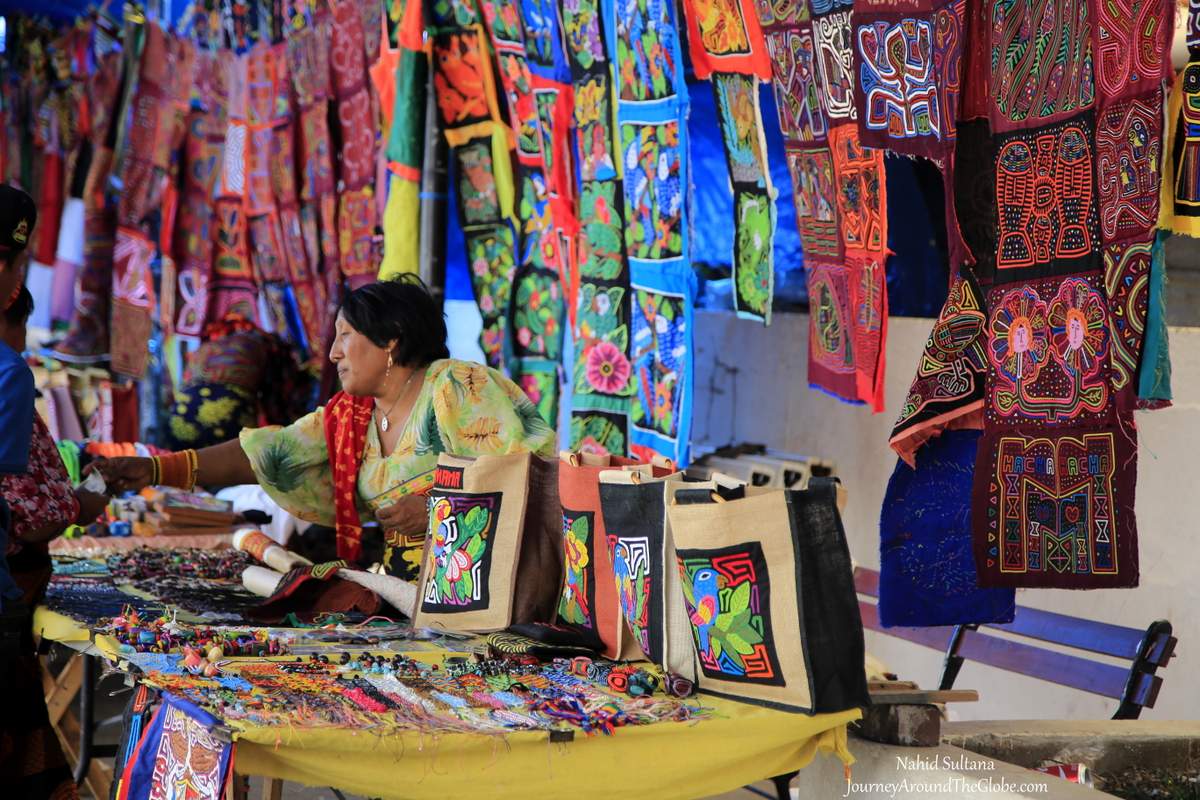
Casco Viejo is a good place to get some signature souvenirs from Panama. I found the items in gifts shops very colorful and vibrant. They had summer hats, paintings, wall hangings, purses, and many other trinkets in these historic town of Panama City.
PLACES WE’VE VISITED: We stayed two days all together in Panama, spending one day exploring the capital and last day somewhere outside the crowd, in Portobello. Panama City is big and scattered. All of the tourist destinations are located all over the city and usually not within walking distance. Hiring a taxi for the whole day was the way to go for us. Though the drive didn’t speak much English, he could still explain little bit to us. Here are some places we visited in Panama City in a day.
1) PANAMA VIEJO: Our first stop was Panama Viejo…an open-air museum very close to the downtown. This is where the Panamanians originally settled many centuries ago, was sacked by the pirate Henry Morgan in the 1600s, and was moved to Casco Viejo later. Its big grounds display skeletons and ruins form the 1600s settlements.
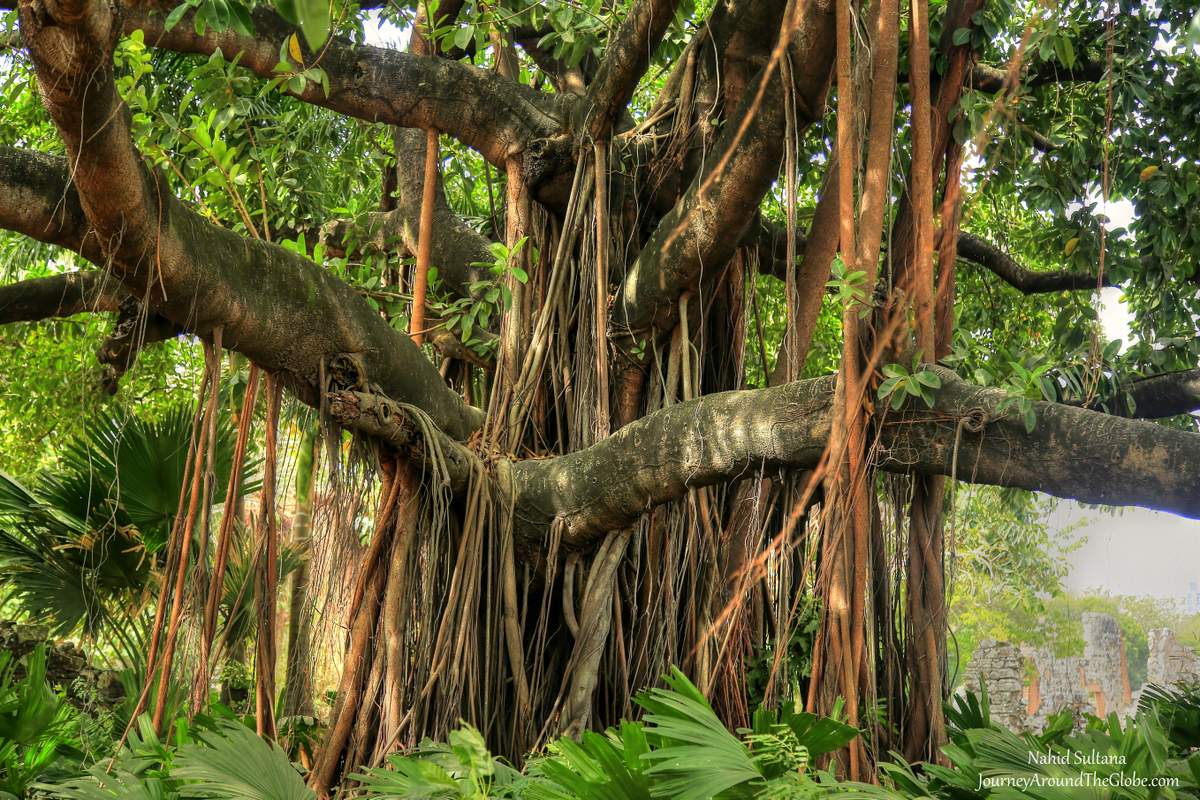
Honestly speaking, if you are very much into history and visiting ruins, this is a good place to explore. I dig history too, but this place didn’t attract me much. I would rather enjoy the soft morning sun by a beautiful coast or doing something else. It was an awful lot of walking, I was tired and my girls were tired as well from the heat and sun. I wouldn’t recommend this place to anyone just to see some skeletons of old structures…I have seen those enough in Europe.
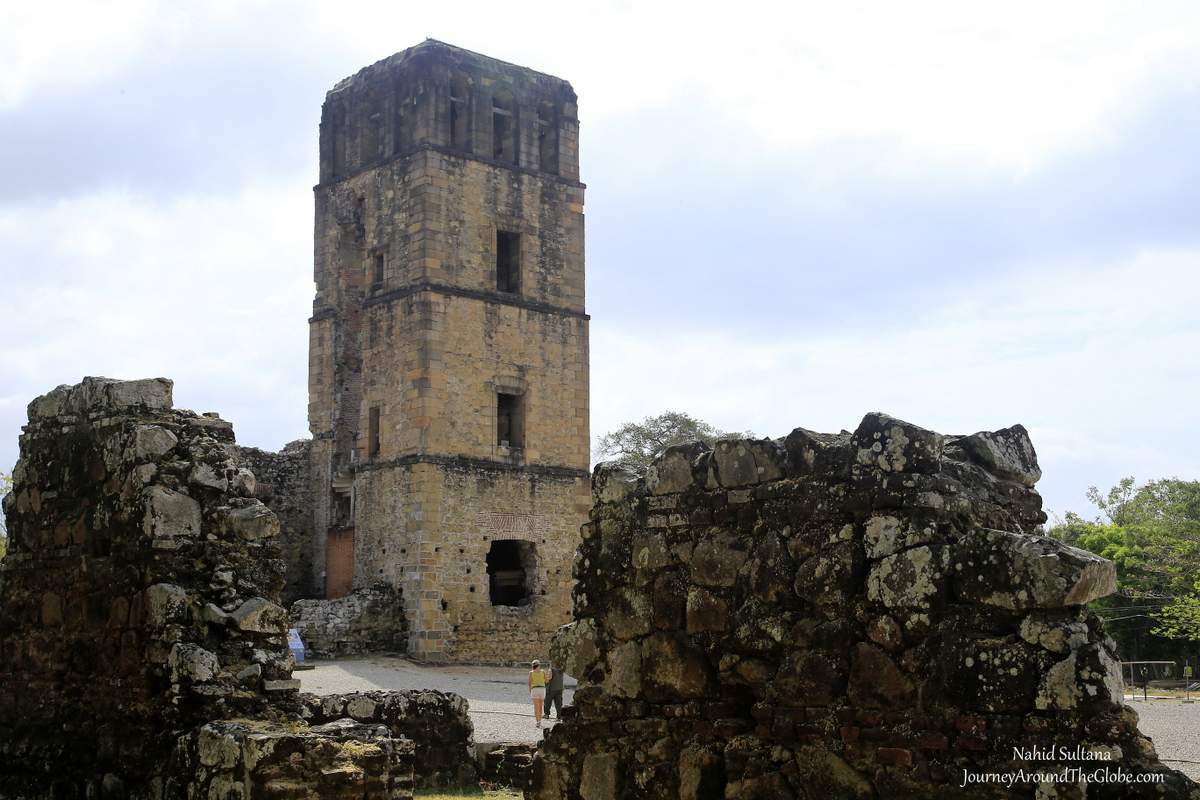
Among all the ruins here, Panama Viejo Cathedral is one of the highlights here. It was built of wood after 1540. The cathedral played a major role in Colonial Urbanism and represented the religious power and dominated the physical space of the Plaza Mayor. You can see The Tower of a medieval cathedral standing at a high of 30 meters, nicely preserved. Aside from serving as the purpose of tolling the church bells, the tower was given the function of a lookout post.
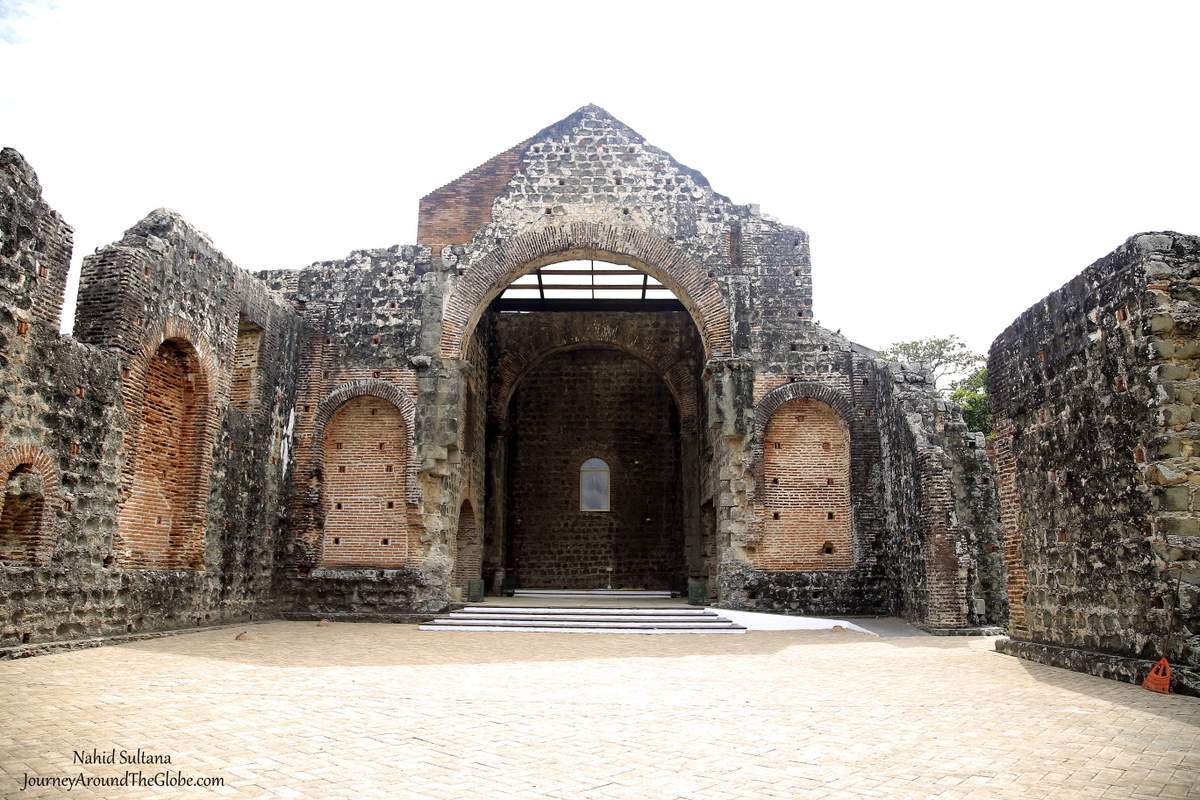
The Jesuit Convent from 1582 in Panama Viejo is another noteworthy structure. The construction of the church began in 1640 and was stopped due to Sir Henry Morgan’s attack in 1671. At the end of Panama Viejoe be sure to check out the Visitor Center and its museum where exhibition halls have artifacts from the 1600s Panama.
Ticket to Panama Viejo is $8 for adults and $3 for kids. Near the Visitor Center Museum, there is an indoor souvenir market, called Centro Artesanal de Panama Viejo. They are all a bit expensive but you will see two floors full of shops with many local handcrafts and trinkets.
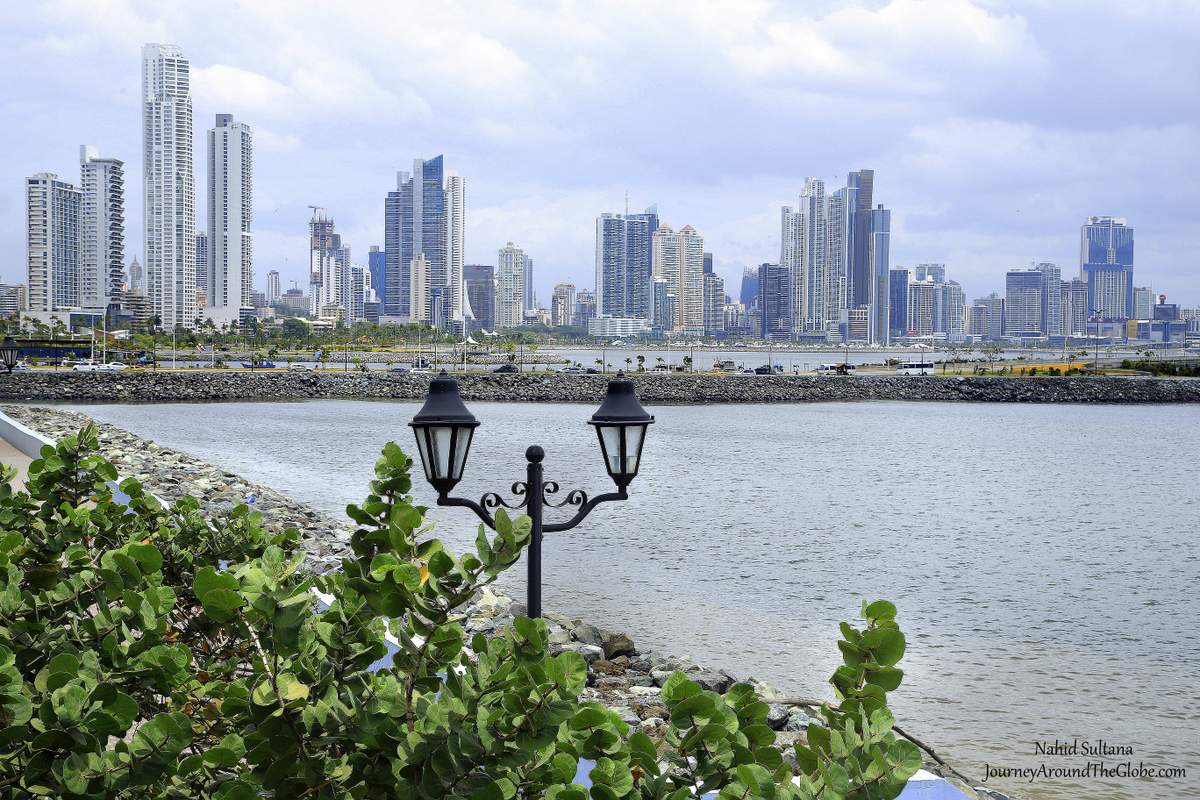
2) CASCO VIEJO or CASCO ANTIGO: Leaving the medieval ruins behind, we then came to more recent history of Panama, which dates back only couple centuries. Now, this is a town that I really loved exploring. After parking the cab, our driver slowly walked us towards the heart of Casco Viejo. You get a good view of the capital and its high-rises from this side of the bay.
Casco Viejo is a place where you will find hidden gems at each corner. Vibrant, artistic, and colonial-style buildings standing beside newer architectures, boutique hotels, and narrow red-bricks layered streets are something that will catch your eyes as soon as you come to this place. Even if you don’t do or see anything in particular, just taking a stroll in the streets of Casco Viejo is mind-blowing. Although we didn’t sit down in any restaurants here, I can imagine lunch or dinner in this old part of Panama City would be something everyone will enjoy.
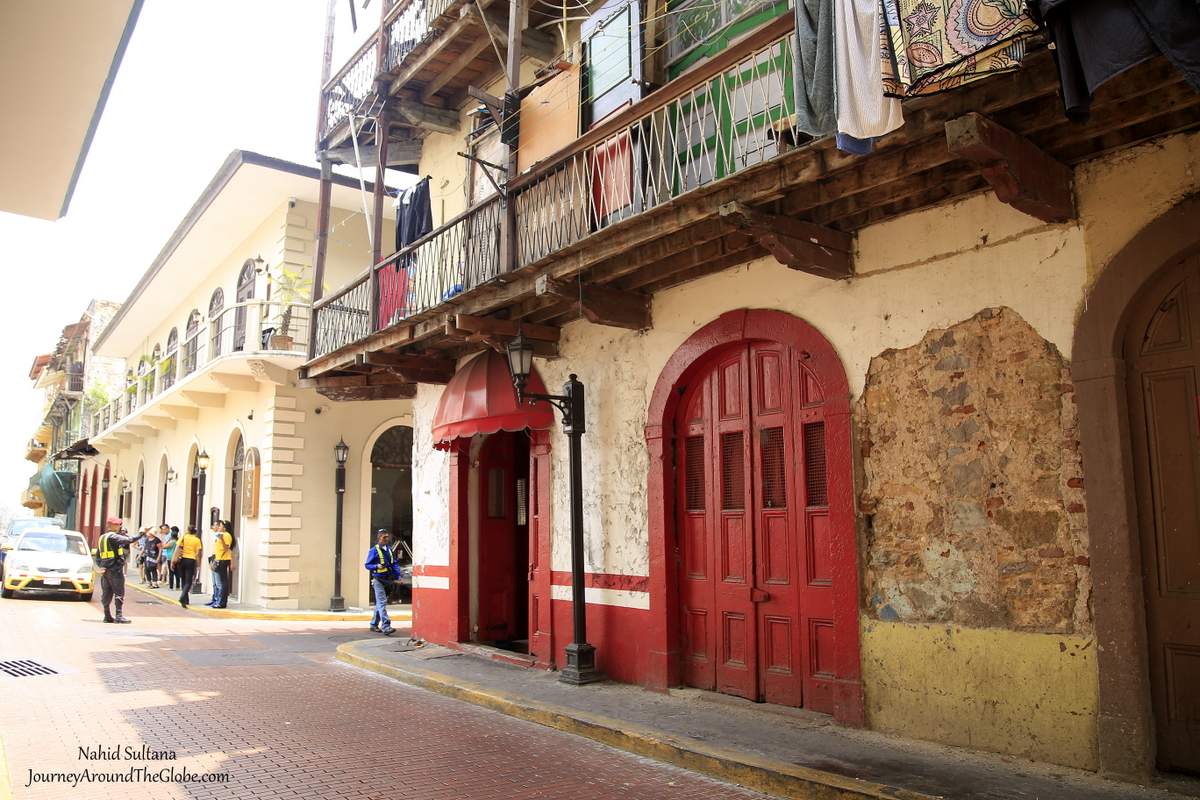
We first came to the main square, known as Plaza de la Independencia or Plaza Mayor or Plaza de la Catedral. Few important museums lines up surrounding this square while the Catedral Metropolitana’s grand façade looms over the entire plaza. Inside the cathedral is simple but its old and elegant look decorated with beautiful stained-glass windows are very noticeable.
We walked some more to go to La Historica Iglesia de la Merced. This old church is squeezed between somewhat newer buildings. It is a small church, but its classy façade, gorgeous altar decorative statues, and ornaments make this place a real jewel from old Panamanian time. From there we crossed Plaza Herrera with a statue of General Tomas Herrera on his horse, is a small park to sit down and relax.

Iglesia de San Jose is another church that we visited in Casco Viejo with nice stained-glass windows, decorative ornaments, paintings, and statues. While walking around, we saw some old ruins here and there, out of which “La Compania” is probably one of the best preserved and prominent spots. Plaza Francia is another small square with an obelisk with rooster on top. Check out the line of outdoor souvenir shops by the Pacific…they are reasonably priced hand-crafts that you can take back home as memories. Our last stop in Casco Viejo was San Francisco Cathedral. We didn’t go inside this brand new cathedral. But we did spend some time in front of it in Plaza Simon Bolivar which is trimmed with cafes and pleasant 19th century buildings.
Teatro Nacional or National Theater in Casco Viejo is an eminent building that was designed in 1905 by an Italian architecture. The Panama Interoceanic Canal Museum is also located in Casco Viejo. Although we didn’t visit this museum, it would be an ideal place to learn about the history of Panama, its people, and the Panama Canal. The old building that houses this museum is from 1875 and is closely linked to the Canal’s past.
3) AMADOR CAUSEWAY: After Casco Viejo’s charms, we picked up some lunch from Burger King and started driving towards Amador Causeway. It’s a long road with lovely views that was built to connect three islands. It starts from mainland Amador and stretches to Naos, Perico, and Flamenco islands. This is another great example of modern engineering other than the famous Panama Canal. At the end of the road, we stopped in Flamenco Island, at the very top of the causeway near the bay. From here you can see the skyscrapers from Panama City and of course the beautiful blue water. Puentas de las Amercas is somewhat a touristic place with few shops and restaurants. Our girls sat down on rocks and had their burgers and drinks while enjoying the calm summer breeze from the bay.
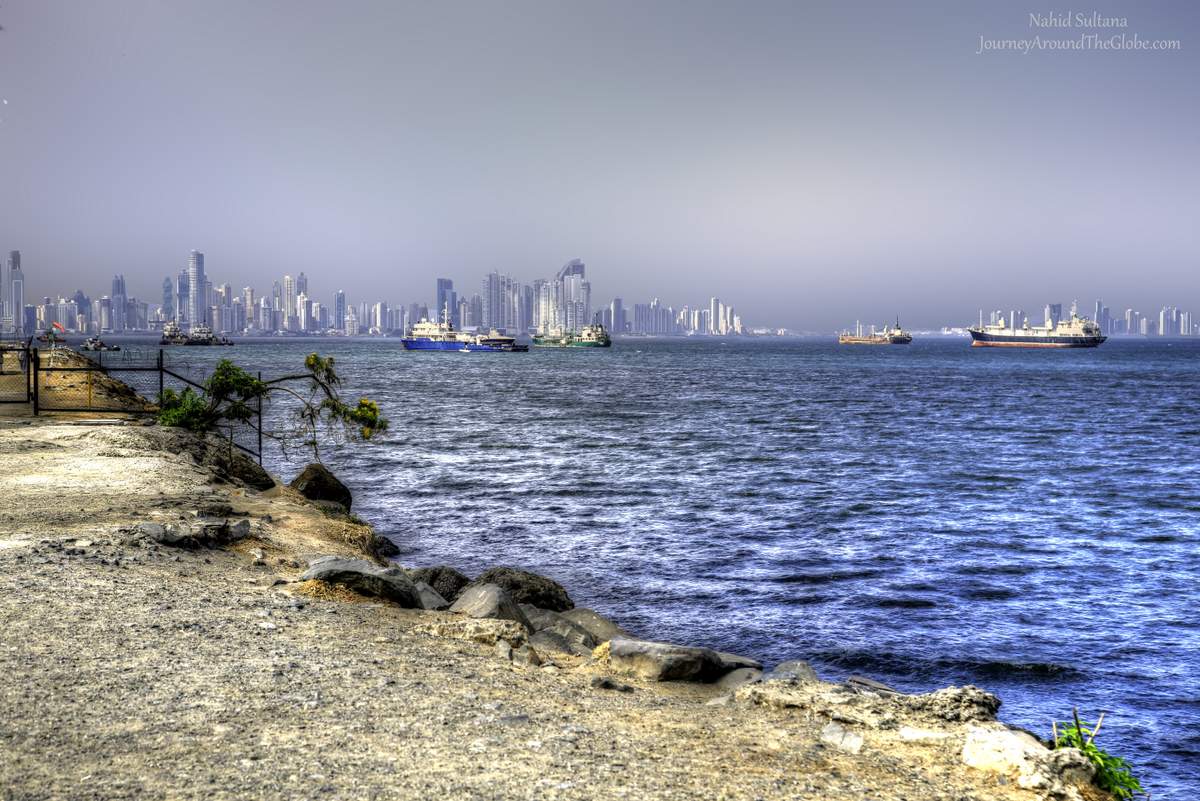
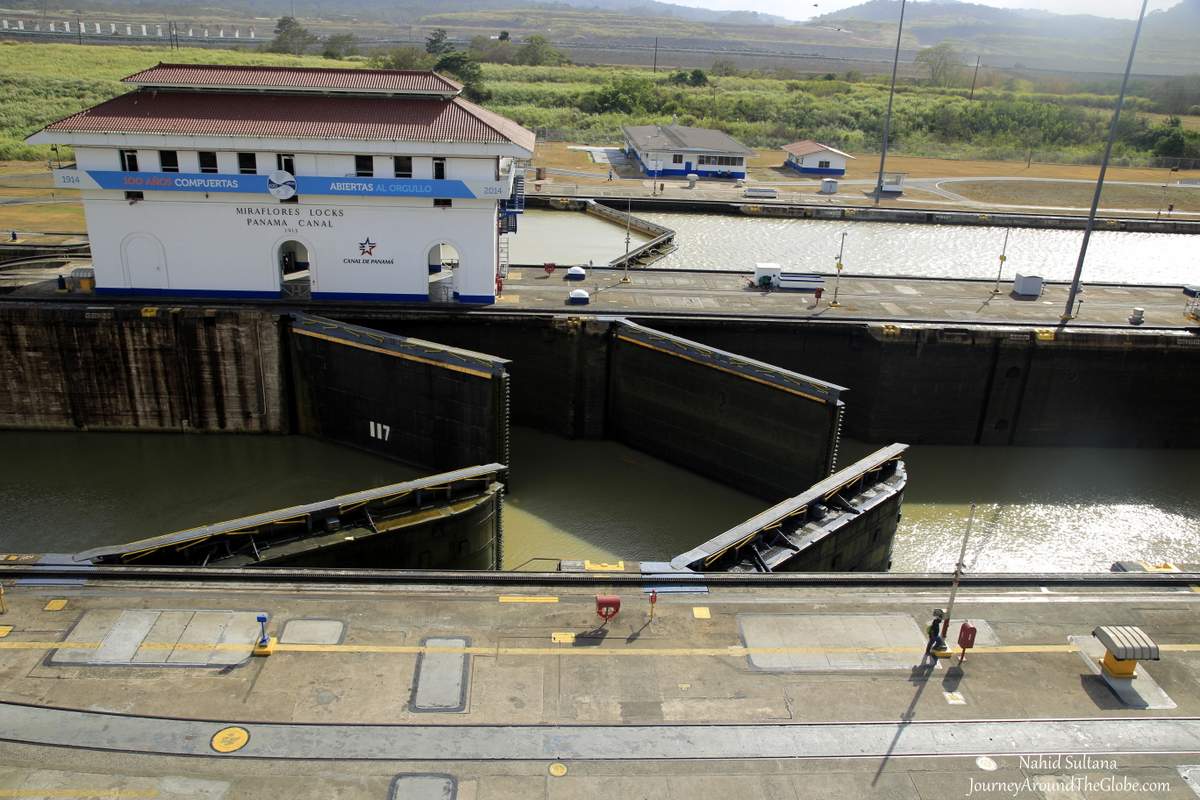
4) MIRAFLORES LOCK: After spending less than an hour in Flamenco Island, we set off to the absolute must-see place in Panama…the Panama Canal. You just can’t leave Panama City without visiting the miracle Miraflores Lock, one of the locks of Panama Canal. It is one of the engineering wonders of the world, even today. Situated on the east side of the Miraflores Lock, the CVM is the perfect place to witness how the Panama Canal operates. We stood on its large balconies and watched the gates open and close as vessels begun or ended their transits. Hundreds of other tourists joined in these balconies to witness this in action. You will see how the water level rises or falls in different segments as the big boats pass thru the canal.
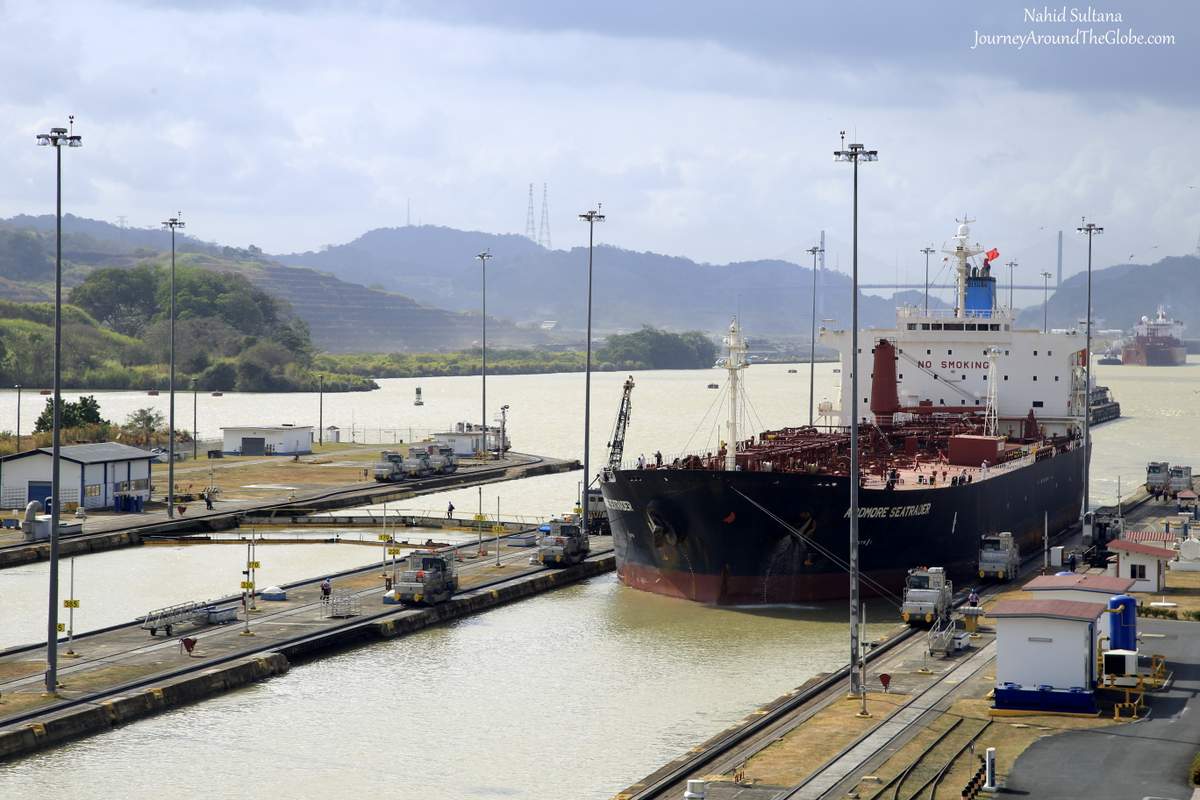
Four exhibition halls, organized by topic, are the heart of the Miraflores Visitor Center. These halls, a 3D movie, and other attractions portray the story of this waterway, the importance of water as a fountain of life, how the Panama Canal works, and its role in world commerce. It’s modern and informative exhibitions give history of the canal construction, challenges the engineer faced, like fighting against yellow fever and malaria, to build this engineering marvel of the world.
45,000 workers from many countries, like Barbados, Trinidad, Jamaica, Spain, Italy, Greece, America, Armenia, Cuba, Costa Rica, Columbia, Panama, and workers from many countries contributed to this effort. They managed to understand each other, start families, make fortunes, and exalt the country. Finally, the Panama Canal was officially inaugurated in August 15, 1914 which connected Atlantic and Pacific oceans.
The tour of Miraflores Lock includes a movie and four exhibition halls and takes at least an hour. Fee is $15 per adult, $10 for ages 6 – 12, and free for children below 6 years old. Admission tickets are sold until 4:15 pm and the visiting center is open daily from 9 to 4:30 pm.
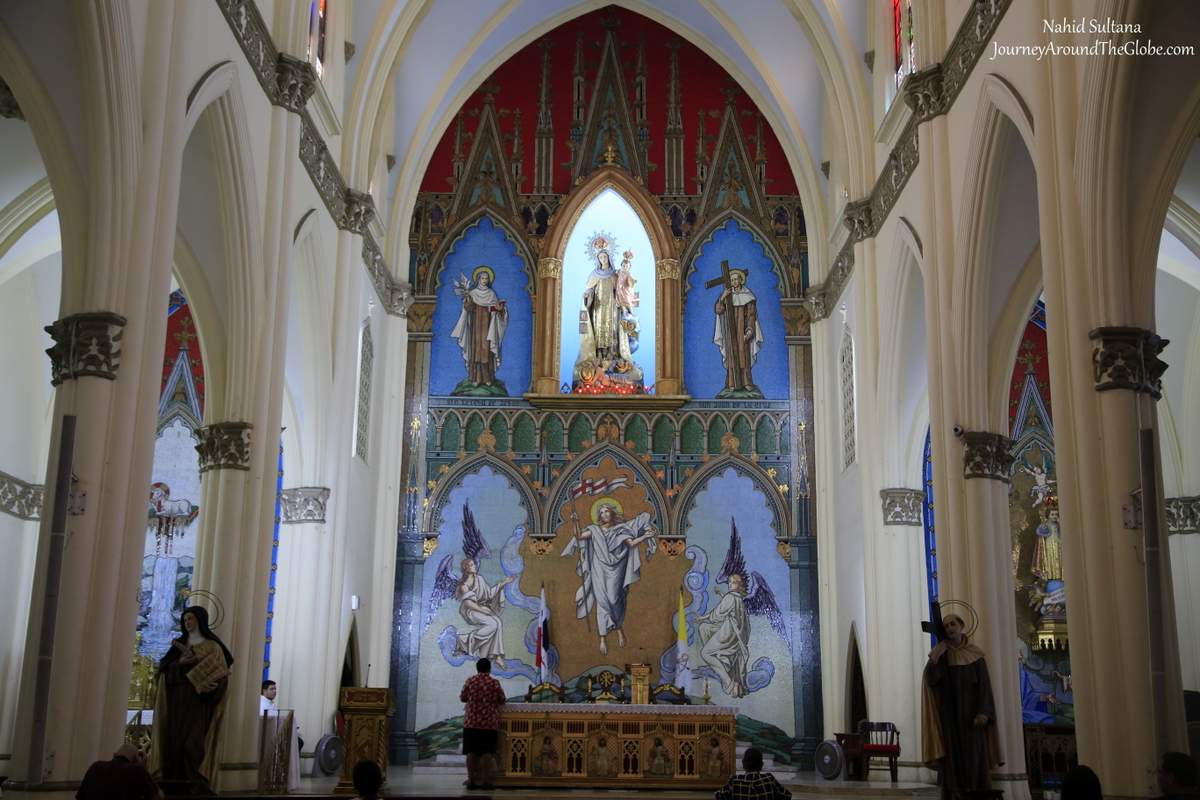
5) IGLESIA de la CARMEN: This was our last stop of the day and it was very close to our hotel, Hyatt Place. With its magnificent white exterior and two Gothic towers, Iglesia de la Carmen stands boldly in the heart of Panama City. The building itself looks very new. Inside the church is absolutely stunning with its stained-glass windows and gorgeously vibrant main altar. What a nice end to our tour…
Share this:

Going Back to Mayan Time – Joya de Ceren, El Salvador

JOYA de CEREN, EL SALVADOR: If you are a history lover or if archeological sites fascinate you then Joya de Ceren or “Jewel of Ceren” is a trip you will definitely enjoy in El Salvador. This archeological tour was a combination of visiting different sites which feature pre-Columbian farming villages of the ancient Mayan civilizations. These are remarkably well preserved and important archeological sites of El Salvador.
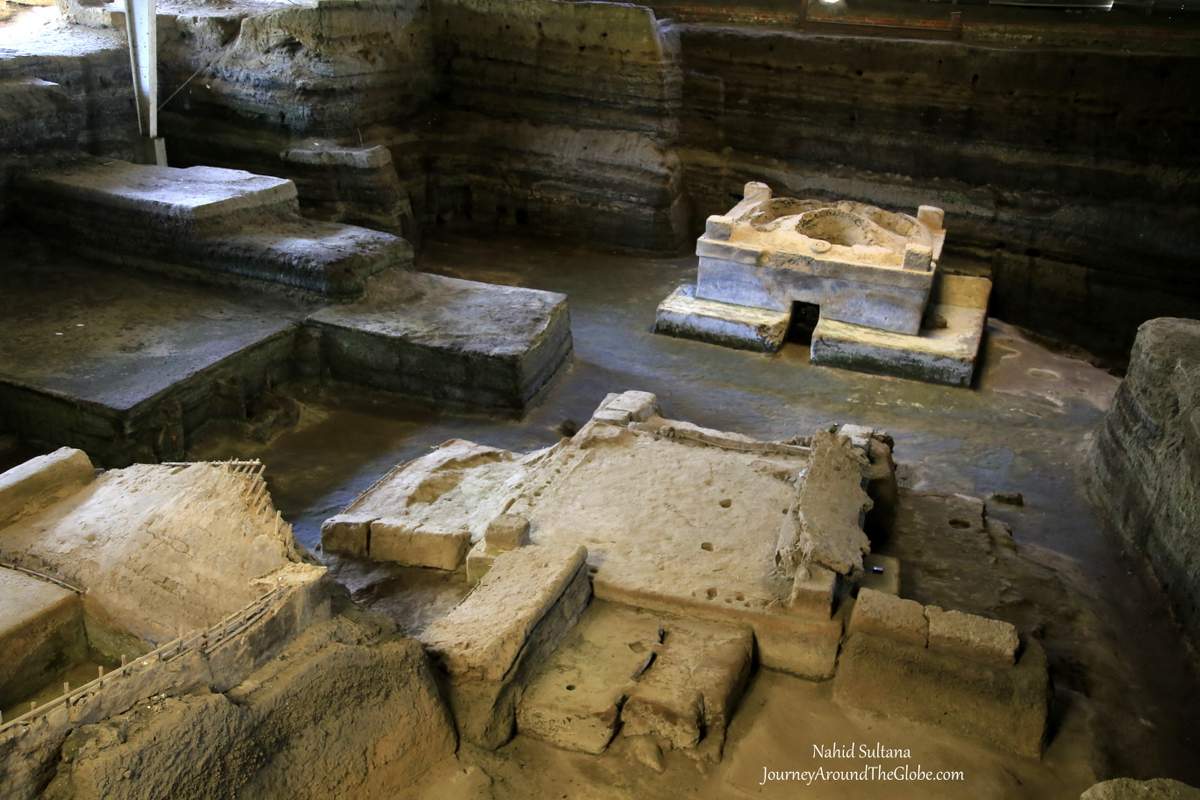
These Mayan sites are believed to be farming communities from around 1200 B.C. Volcanic eruptions from different centuries buried these villages under many layers of ash. The museums of each Mayan site displays utensils, ceramics, pots, and everyday household items that the villagers once used in their daily lives.
We booked this whole day trip thru viator.com beforehand. The package included a private van, a driver, and a professional guide. Our guide, Mr. Cesar, was an extremely knowledgeable person with gentle manners who spoke excellent English. Most of these sites, like Joya de Ceran, San Andres, and Tazumal are located within short distances from each other. It was an exhausting day walking under the hot sun and in humid condition, but going back in time of Mayans thru the history and display was thrilling.
TIME of TRAVEL: We went to Central America during the spring break in mid-March of 2015. Our first stop was in El Salvador, then Panama, Costa Rica, and finally Nicaragua. Within El Salvador, we spent a day in San Salvador, one day in historic town of Suchitoto, and last day in Joya de Ceren, visiting the Mayan ruins. The climate is very tropical here and temperature in El Salvador is usually constant throughout the whole year. We were there during the dry season. You don’t want to come here in the monsoon when you can’t get around as much. It was in high 90s, almost touching 100 degree the day we visited Joya de Ceren…needed sunscreen, hats, sandals, liquids, and ice cream for the whole day.
OUR HOTEL: Real InterContinental San Salvador was our hotel and base in El Salvador. We stayed here for 3 nights and everything about this hotel was above average. With courteous staffs, spacious rooms, grand breakfast buffet, and great location, this hotel was nothing less than A+ in every way. It was within walking distance from some fast food places and a mall. Although we booked all of our tours before arriving here, hotel can arrange daily tours with professional guides anytime for its guests.
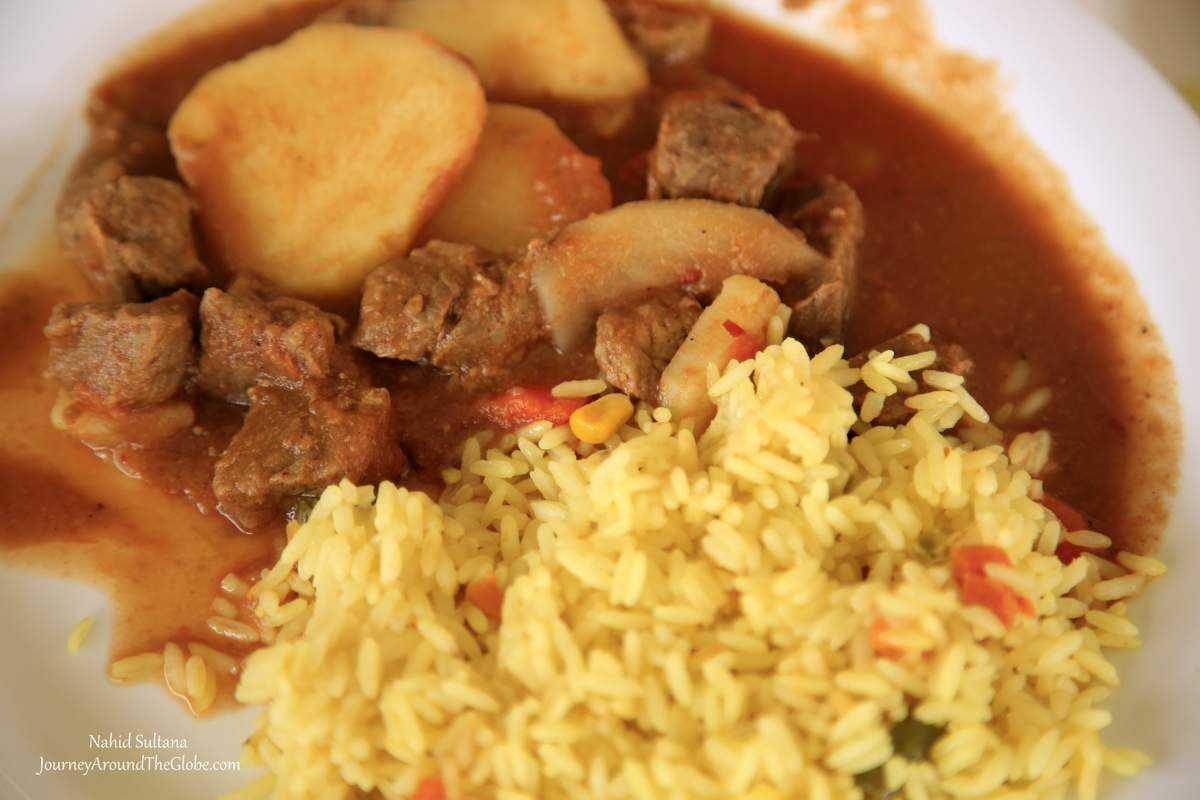
EATING and SHOPPING: We had lunch in a popular Salvadoran fast-food chain, called Mister Donut in Santa Ana. Good thing they don’t only sell donuts and coffee. Our guide recommended this place for lunch and we found all sorts of local dishes here from rice, salad, fish, meat, soup, and lots of options for desserts in a clean environment…but sorry, no hamburgers or cheeseburger in this fast food. They are all cooked in traditional Salvadoran style.
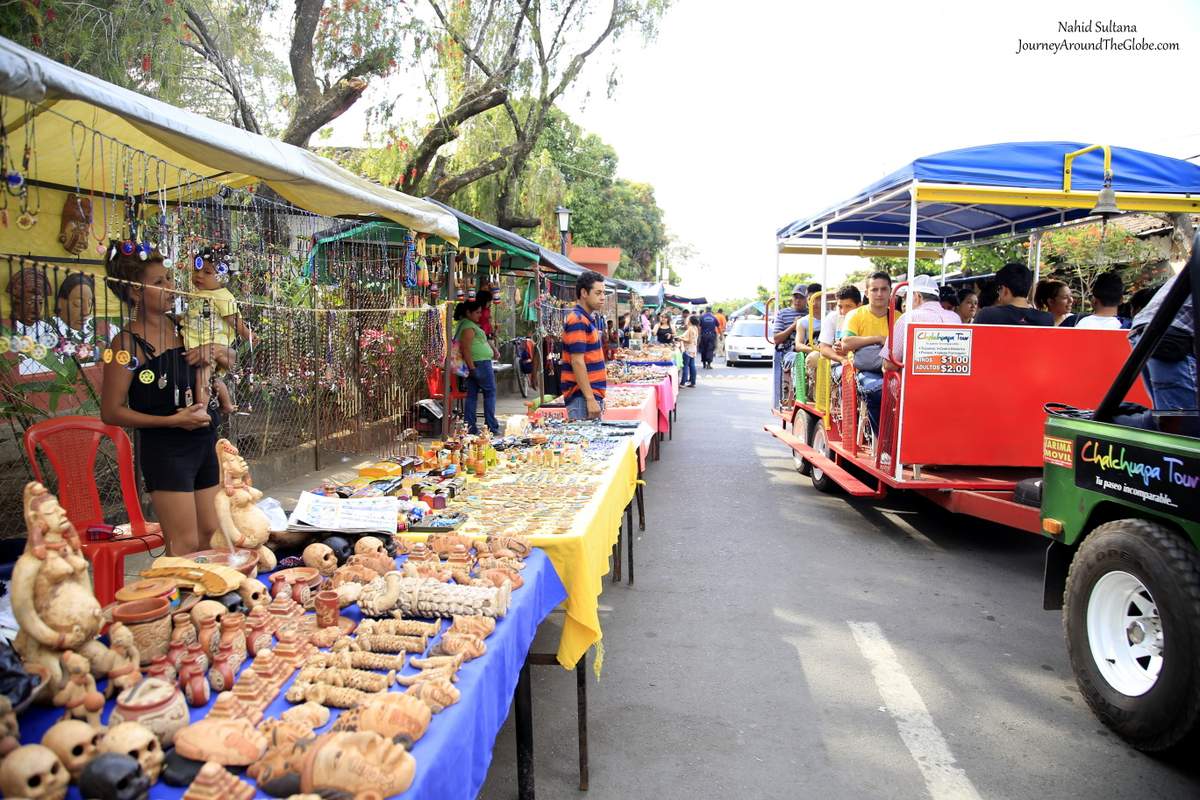
All the sites below had their own souvenir shops. Tazumal had a whole street of shops outside the archeological park. You will find terra cotta potteries with human figures, bowls, wall-hangings, and lots more in these shops. The price here is very cheap and you are allowed to bargain or make a deal with the vendors, no fixed price in these places.
PLACES WE’VE VISITED: This was a day trip from San Salvador and we hopped from one Mayan site to the next the whole day with the guide in a nice air conditioned van…we needed that A.C., so hot and humid. But it was worth all the way. This was a very educational trip for us and the kids.
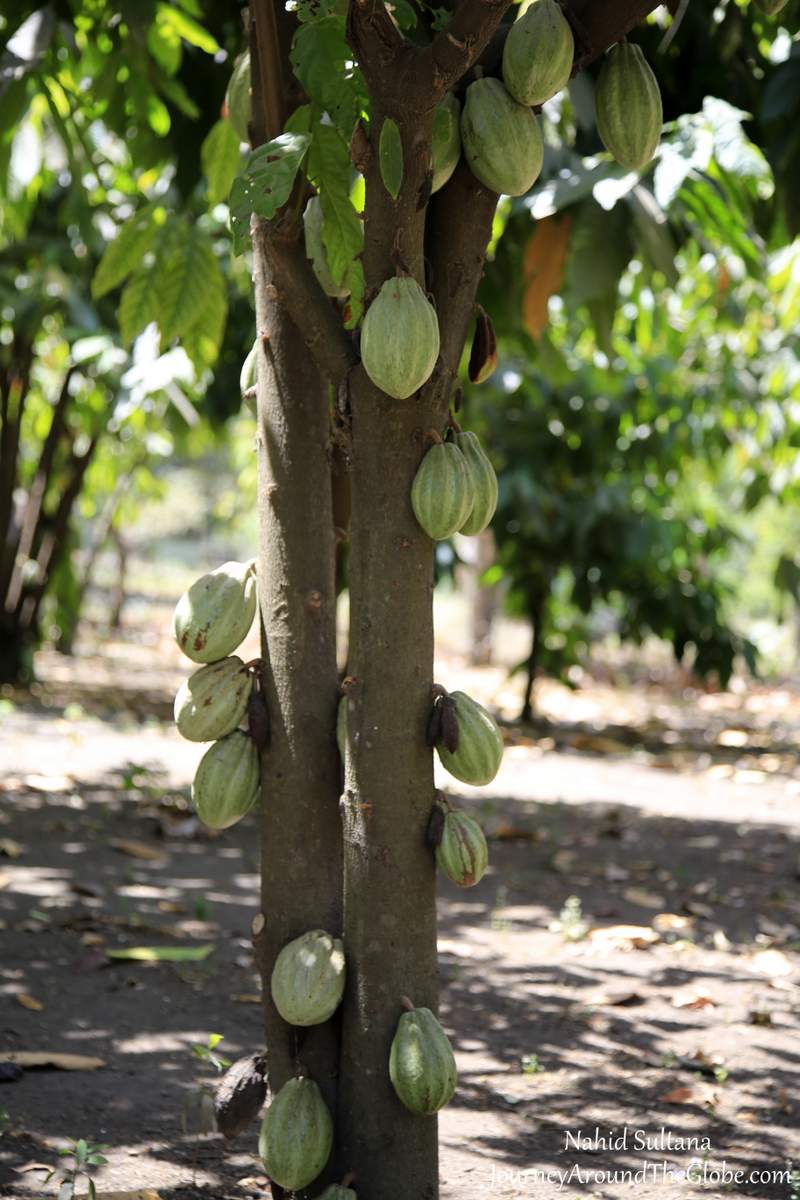
1) JOYA de CEREN ARCHEOLOGICAL PARK: Joya de Ceren was the first Mayan spot that we visited in this tour. It is the only UNESCO World Heritage Site in El Salvador and a must-see place for everyone. UN gave monetary support to save some portion of this park. Interestingly, unlike many other Mayan ceremonial sites in other countries, this is the only one where people used to reside.
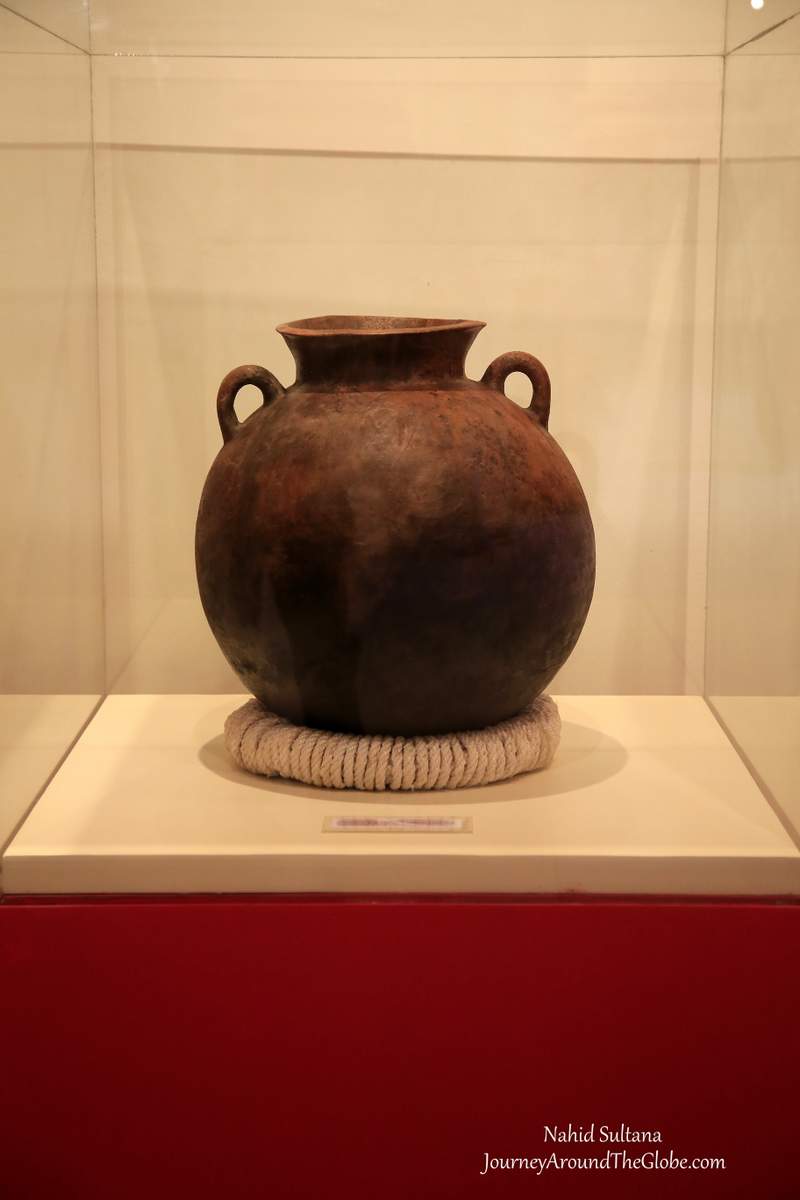
Joya de Ceren is within the area of Mesoamerica. Around the 7th century A.D. there was a pyroclastic volcanic eruption which expelled ash mixed with steam that forced people to flee with few of their belongings. Within just a few day, the village had completely disappeared under volcanic ash. It left the village under 14 layers of ash which is average 19 to 32 cm of thick layers of ash. It is believed that no one died from the eruption…the villagers left before the disaster, so no mummies were found. Loma Caldera volcano, about 1km north of it, is the source of the eruption that buried Joya de Ceren. Over time, later eruptions from other volcanoes deposited more ash over the area too. The village remained deeply buried for 1400 years. In 1976, bulldozers were leveling the ground for a government project, when they accidentally cut a platform of a structure.
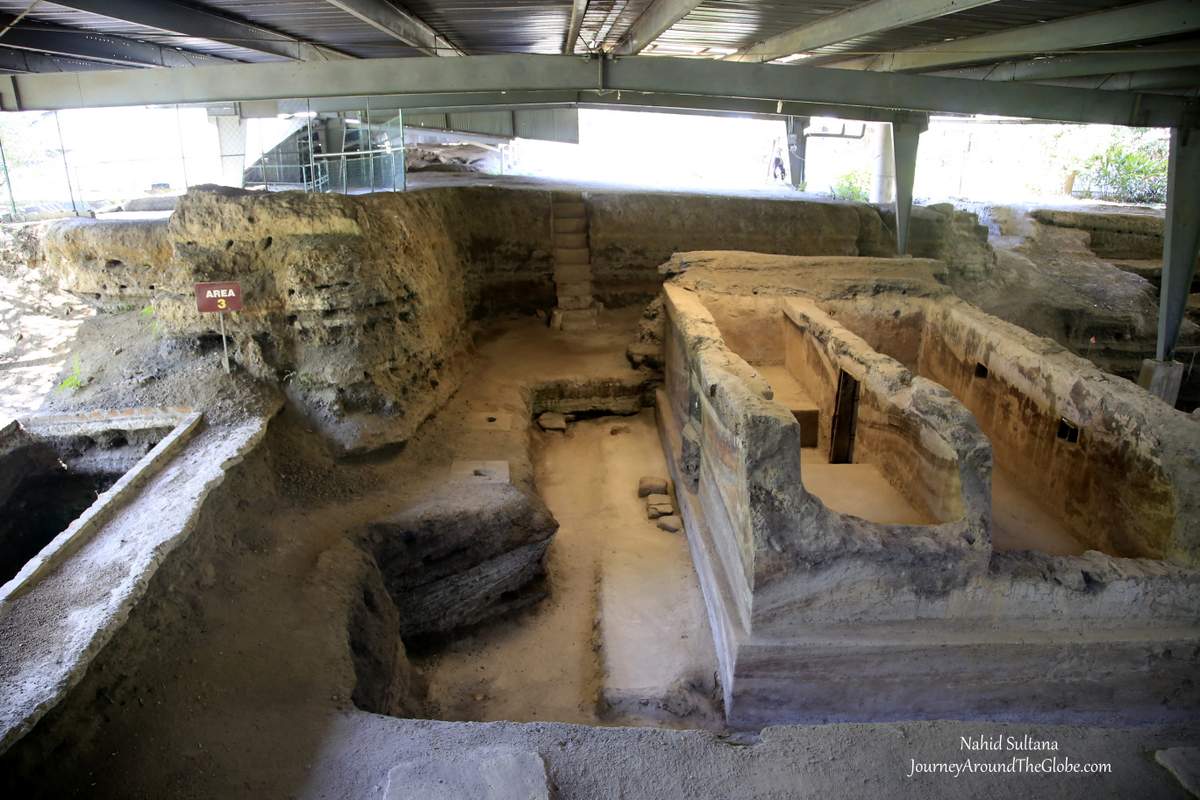
As many as 70 buildings were uncovered during the excavation along with kitchens, living quarters, different communal service rooms, and religious structures. You can see few tombs, ceremonial architectures, and small pyramids. There were saunas, sleeping quarters, old doors, windows, walls, and shaman’s house as well.
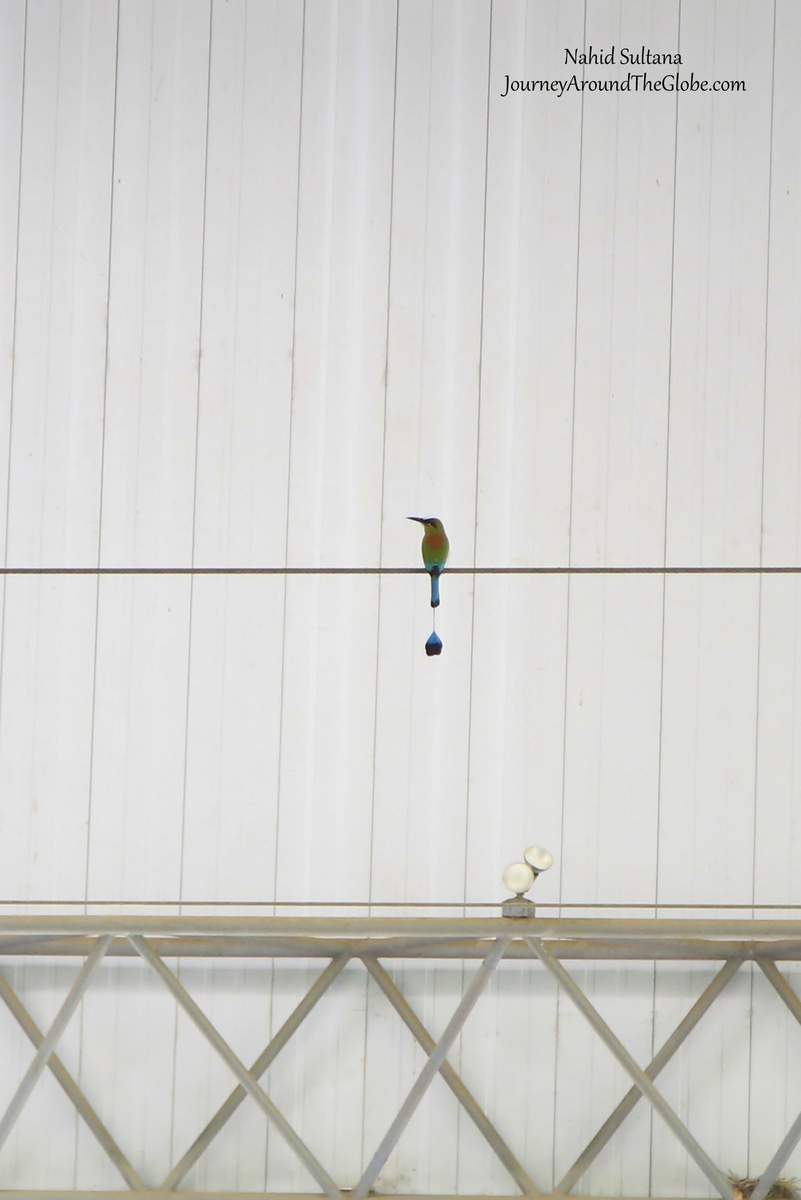
Other than the different sections of ruins in this archeological park, enjoy many exotic plants (like cocoa tree, banana tree, chestnut tree, and more) and tropical birds. Make sure to visit the exhibition near the entrance to know about the history thru photos and texts. Relics, beautiful potteries, and other artifacts from the Mayan community are in display here. These are more than 1500 years old treasures. Overall, this is a very well-preserved Mayan site with good management.
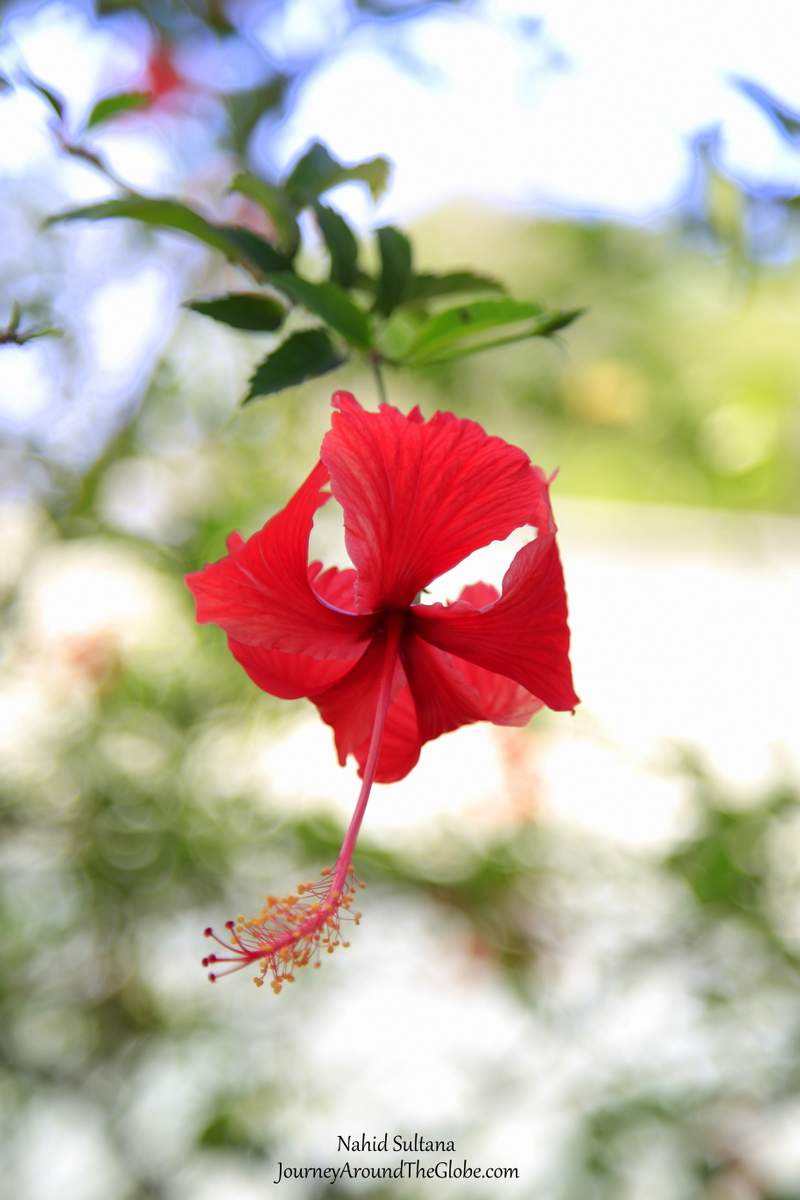
Ticket is $3 for foreigners, $1 for the local Salvadorans, and free for the kids. Visiting Joya de Ceran took us about an hour. This is still an active archeological site where excavations still take place, so please be respectful and mindful of the area and its rules.
2) SAN ANDRES ARCHEOLOGICAL PARK: About 10 km from Joya de Ceren Archeological Park is San Andres archeological site in Zapotitan Valley. This was a major ceremonial center for the Mayans. It was discovered even before Joya de Ceren in 1940, when they were building Pan-American Hwy.
Occupation in this area dates back to 900 B.C. The sites you will see here were mainly political and ceremonial structures, since San Andres was a major political center point for the Maya civilization. The site was buried due to a volcanic eruption that took place in 1658 A.D. The monumental area is formed by the Acropolis and the Great Plaza including La Campana (The Bell) and other small buildings. Visitors are allowed to climb the grassy mounds and pyramids. An ancient underground tunnel in this site provides view of the pyramid bases located in the acropolis. This path is about 80 meters longs, 2.2 meters high and 1 m wide. Evidence of human sacrifice was also found in the area of Acropolis and our guide showed us a spot in front of the Acropolis which is believed to be the sacrifice stone. This is a very well-preserved and nicely maintained park. Be sure to visit the small museum for additional information and displays.
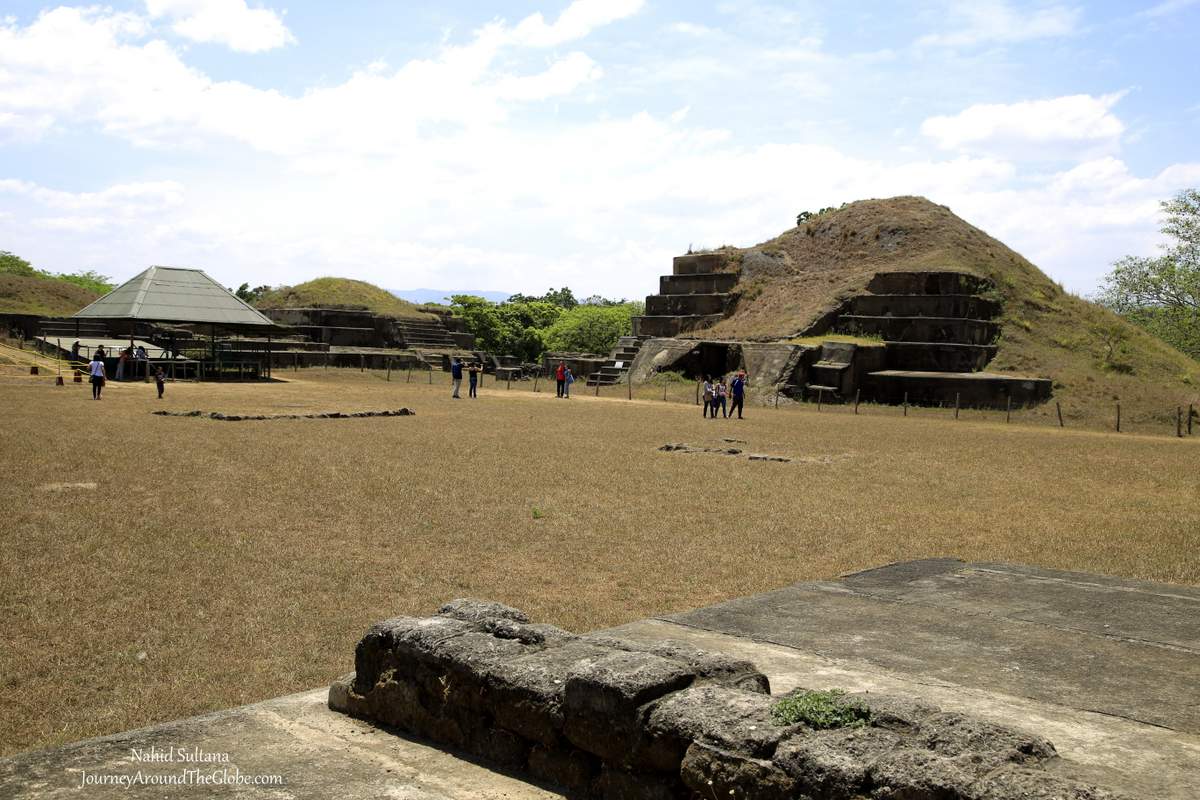
Interestingly, San Andres is still being used as a Ceremonial Center for Native American groups as spiritual guides with Maya vision of the cosmos and others. The museum and park is open from 9 – 4. Although our tickets were included in the package, it is $3 for the foreigners and $1 for the locals.
3) SANTA ANA: After visiting couple ancient ruins, Santa Ana was a nice break in the middle. This is a small colonial style town about 35 km from San Andres and about 64 km from San Salvador. Since the colonial times, it was an attractive place for its land, people, and landscapes. In 1555, it was established as the first Spanish city because of its suitable land for cultivating cocoa. This was also a prosperous city for coffee plantations, and therefore many rich businessmen used to live in this area.
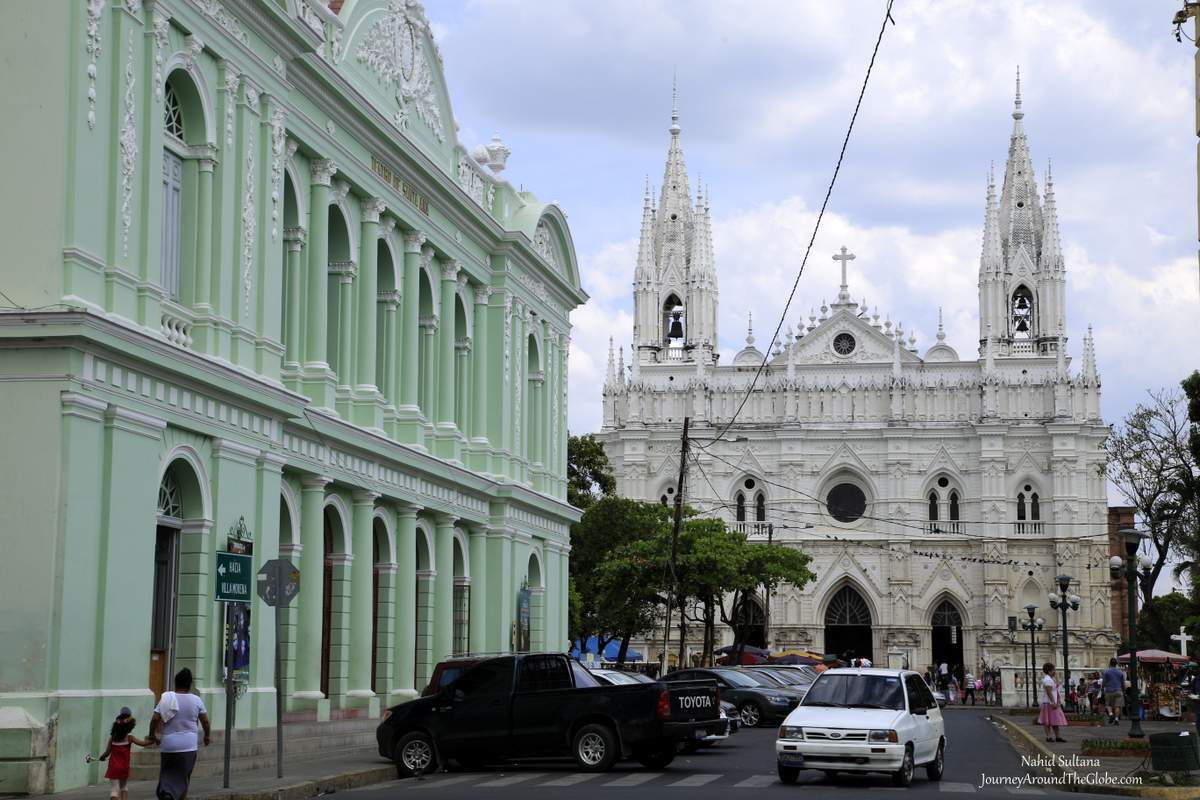
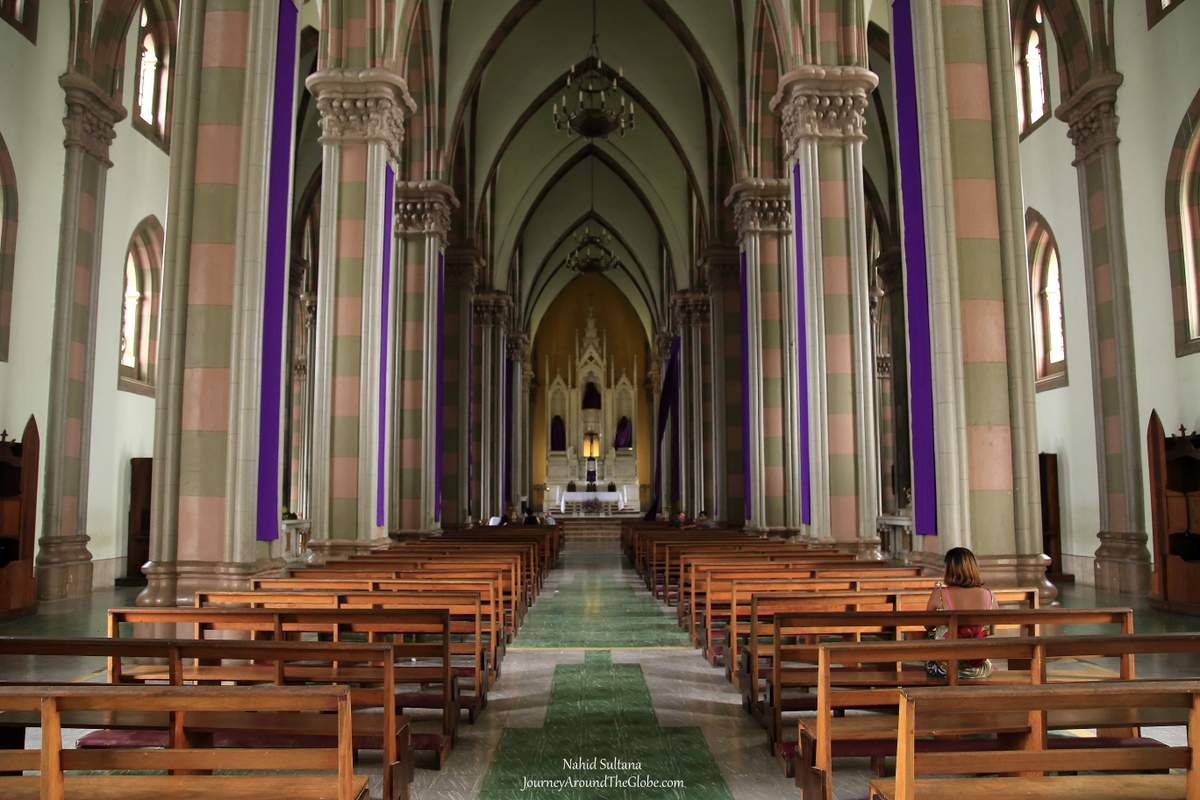
Plaza Libertad is the main public square here which houses a theater (the green and white building) and city hall (the yellow building). Both of these are from the 19th century. The most magnificent building in Plaza Libertad is Santa Ana Cathedral or Catedral de Santa Ana. Its elegant white exterior with two Gothic towers put a grand touch in this square. This main attraction of the city has a neo-Gothic style exterior. Finished in 1956, it has a simple but elegant interior.
4) TAZUMEL ARCHEOLOGICAL PARK: 14 km from Santa Anna and 74 km from San Salvador, this is known to be the best preserved and most important pre-Columbian Mayan archeological site that we visited in this tour. It is located in the ancient Mesoamerican city of Chalchuapa and is the biggest ancient Mayan pyramid in San Salvador with 52 steps and about 24 meters height. The city was at its peak from 100 A.D. to 1200 A. D. These ruins were excavated and restored during the 1940s and 1950s. It was fantastic to walk around this old pyramid and climbing certain portion of it which holds so much history. Be sure to visit the museum at the entrance which has lots of Mayan artifacts and sculptures in display. In front of the museum, visitors can see a large rock with some carvings by the Mayans.
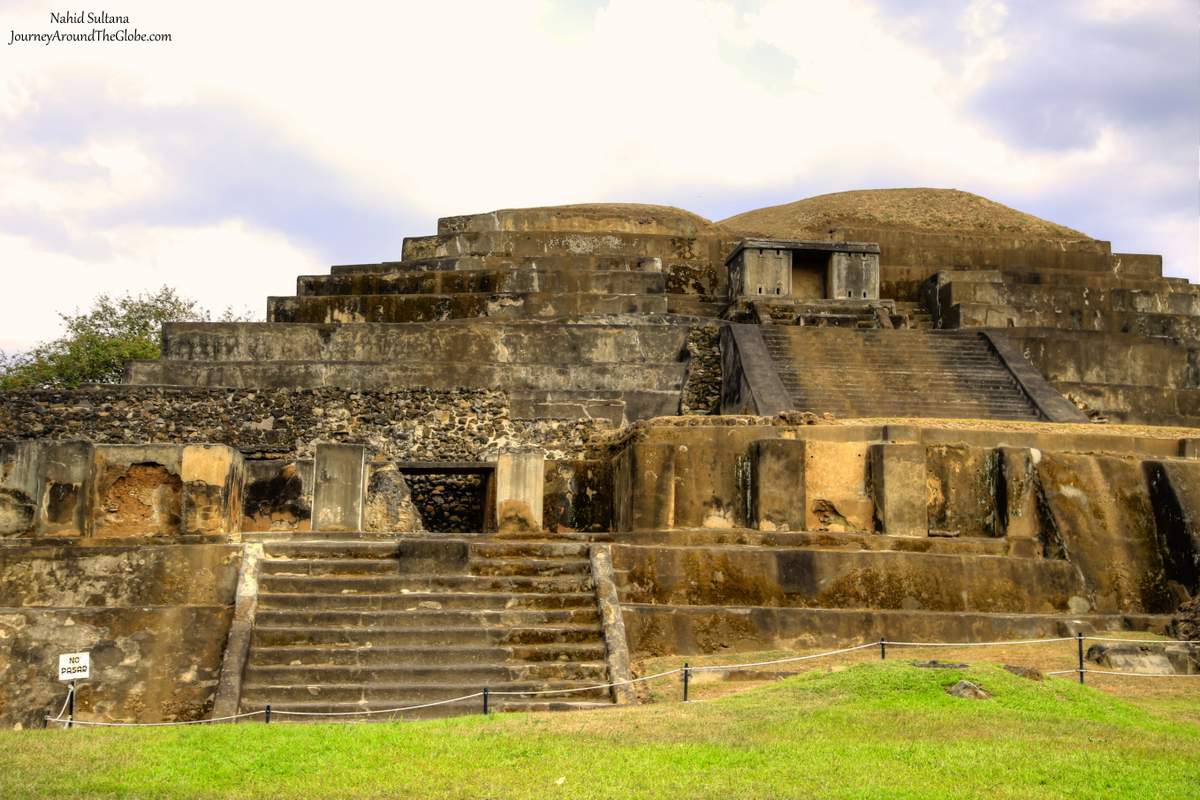
The ticket is $3 for the foreigners and $1 for the local Salvadorans. The site is located in the heart of busy city. You will find lots of souvenirs and antique vendors right outside the main entrance.
5) LAGO de COATEPEQUE: Our last destination of this tour was Lago de Coatepeque. It was not in our itinerary but our guide brought us here since we had some extra time. It is a stunning lake resort area. We didn’t go all the way down to the lake shore, just parked the car for 15 minutes and enjoyed the view from a hill. The lake kind of reminded me of the Crater Lake National Park in Oregon. Lake Coatepeque, with 125 meter depth, is also a crater lake with mesmerizing blue water and is considered as one of the largest lakes in El Salvador.

Share this:

A Colonial Town in El Salvador – Suchitoto
SUCHITOTO, EL SALVADOR: In Nahuatle, informally known as Aztec language, Suchitoto means “place of birds and flowers”, a proper name for this beautiful town. 64 km from San Salvador, Suchitoto is best known for its colonial style towns and original cobbled-streets. You have to step back in time when you are in the remarkable heart of Suchitoto.
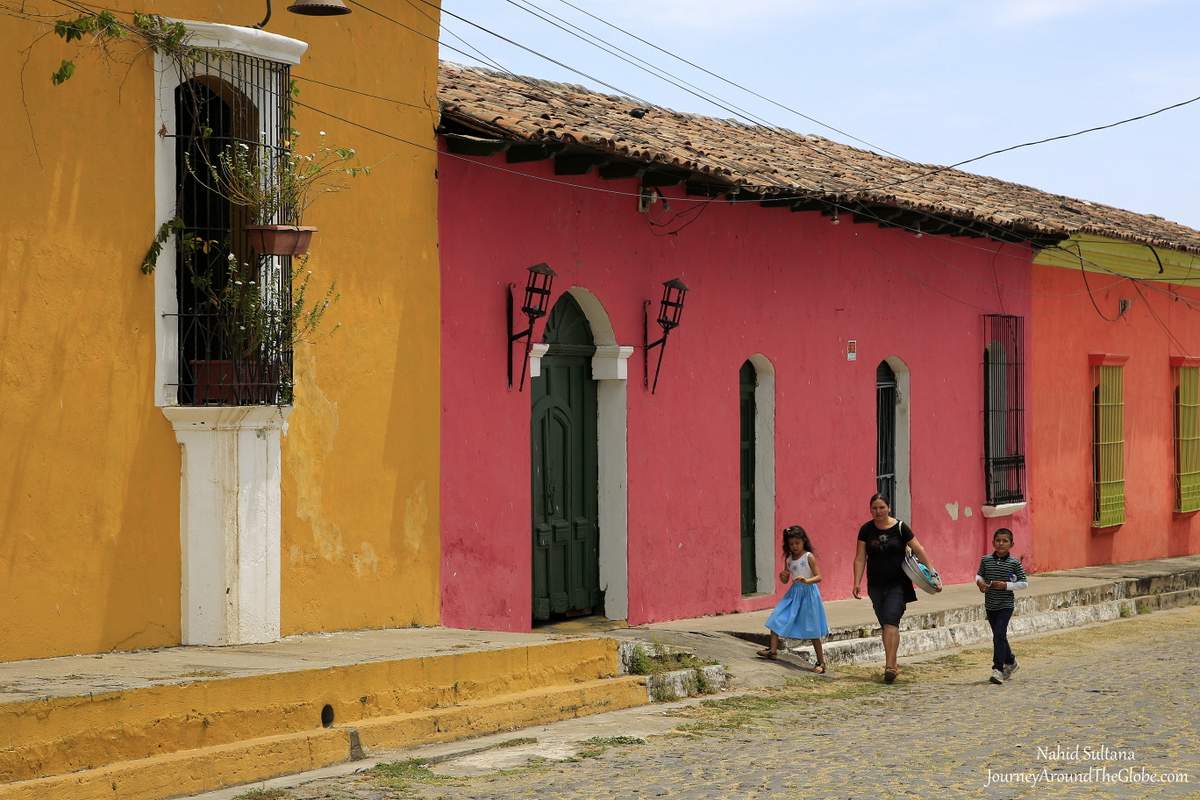
Historically, this town dates back to pre-Columbian times and it was already a densely populated place when the Spaniards arrived few centuries ago. The Spanish ruled this country for 400 years. But now when you come here, it seems that time has stopped here. It is not only an old colonial town with many original cobbled-stone streets from the 1500s , colonial windows and balconies with beautiful old buildings, but also with a variety of hotels and restaurants, customs and traditions, museums, art galleries, and night life.
As we were driving from San Salvador to Suchitoto, our guide showed and named many different big and small mountains and volcanoes. First one was the San Salvador Volcano in the capital which last erupted in 1917. This is just one of total one hundred volcanoes of El Salvador. Luckily, Suchitoto is considered as one of the safest places in this country where dwellers don’t usually feel any earthquakes. Chalatenago Mountain range guards this part of El Salvador and it looks stunning with its peaks and curves. Many papaya, banana, coconut, and avocado trees along with bright colors of Bougainvillea flowers decorate the streets of Suchitoto.
We hired an official tour-guide from viator.com for the Suchitoto day-trip from San Salvador. It was a private tour with a mini-van, a chauffeur, and a knowledgeable guide who spoke excellent English.
TIME of TRAVEL: We went to Central America during the spring break in mid-March of 2015. Our first stop was in El Salvador, then Panama, Costa Rica, and finally to Nicaragua. Within El Salvador, we spent a day in San Salvador, one day in historic town of Suchitoto, and last day in Joya de Ceren, visiting the Mayan ruins. The climate is very tropical here and temperature in El Salvador is usually constant throughout the whole year. We were there during the dry season. You don’t want to come here in the monsoon when you can’t get around as much. It was in high 90s the day we visited Suchitoto…needed sunscreen, hats, sandals, liquids, and ice cream for the whole day.
OUR HOTEL: Real InterContinental San Salvador was our hotel and base in El Salvador. We stayed here for 3 nights and everything about this hotel was above average. With courteous staffs, spacious rooms, grand breakfast buffet, and great location, this hotel was nothing less than A+ in every way. It was within walking distance from some fast food places and a mall. Although we booked all of our tours before arriving here, hotel can arrange daily tours with professional guides anytime for its guests.
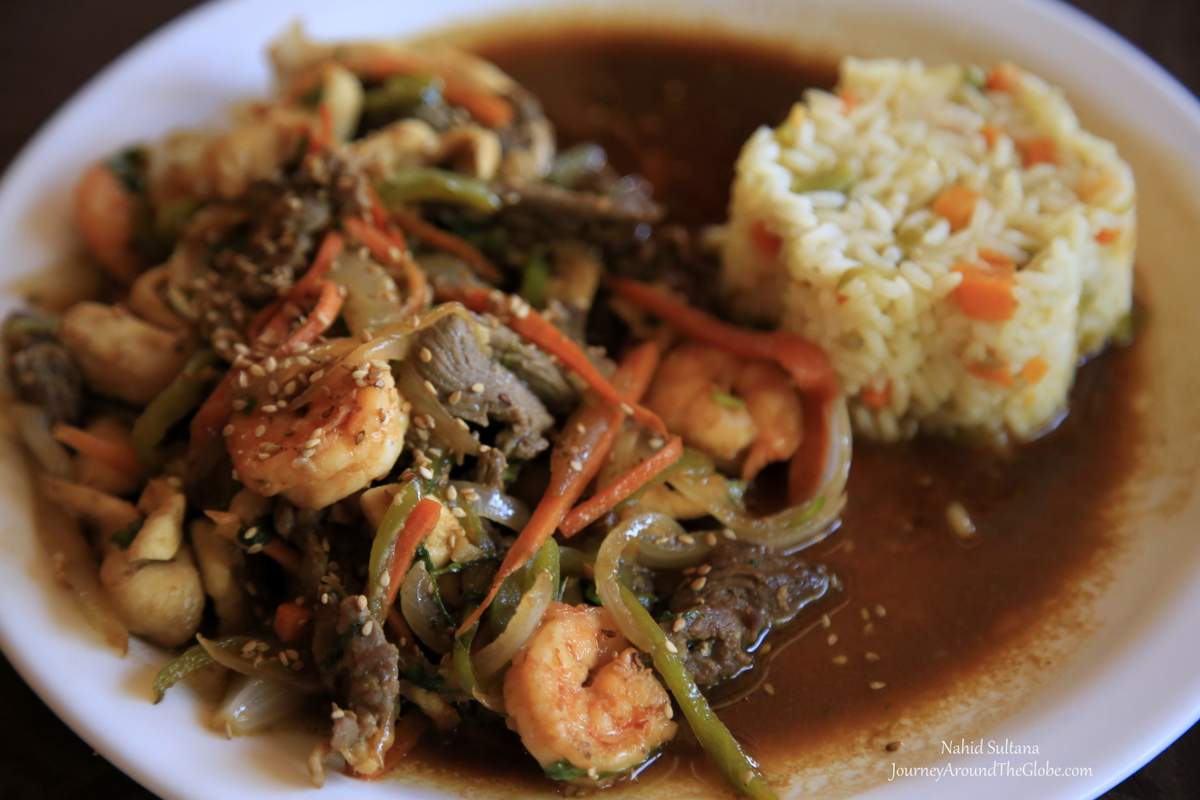
EATING and SHOPPING: Suchitoto has plenty of options for meals or drinks from different range of prices. Our guide advised us not to eat from street-side vendors because of hygienic reasons. He took us to a really nice place, called Los Almendros de San Lorenza. It’s a luxurious boutique hotel and restaurant owned by a French man and his partner. When you enter the restaurant, it may remind you of Andalusia with its inner-courtyard, fountain, and design orientation. You can sit outside but with that summer heat, we decided to sit inside with nice breeze from the air condition. This place has local and international choices in their menu, like pasta, kabab, sandwiches, salad, soups, seafood, and my most favorite one…traditional, local dishes. Make sure to order some juice with your meal too…they will be freshly prepared when you order. Overall, this place knows how to serve good food with great decorations.
For shopping, Marcado Municipal de Suchitoto has lots of interesting local food items to buy. Our guide bought a type of cheese, called duro-blando for us to taste. It’s a Mexican cheese which was first introduced by the Spaniards few centuries ago. City center also has some other small stores selling local trinkets and artisans.
PLACES WE’VE VISITED: We spent a whole day in Suchitoto and it was enough to learn about its history and enjoy the beauty. Though it has many things to do and see here, Suchitoto is a small town and can be covered on foot.
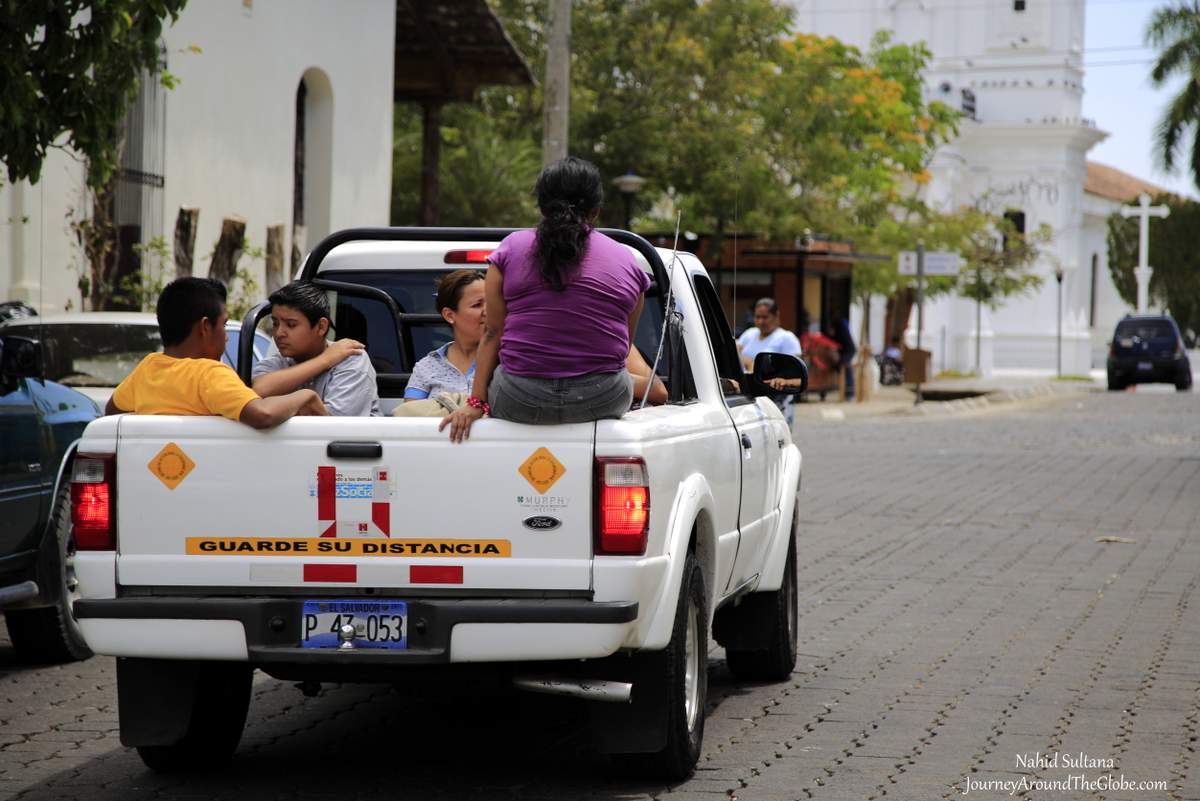
1) WASAPA: Our first stop of this tour even before arriving Suchitoto was a small village called Wasapa. Our guide wanted to introduce us to an ex-guerrilla who fought during the military dictatorship in 1980 – 1993. Apart from the political past and history, (which I wasn’t really interested about) I got a glimpse of the lifestyles of the villagers in this country. We met the ex-soldier’s family, saw his house, backyard farm animals, and simplicity of their lives. I went inside the kitchen when a lady was cooking (think the solder’s wife) to look at their old-fashioned clay-stove and oven…reminded me of the villagers of my country, Bangladesh. Life is so raw and organic here, you have to see it to believe it.

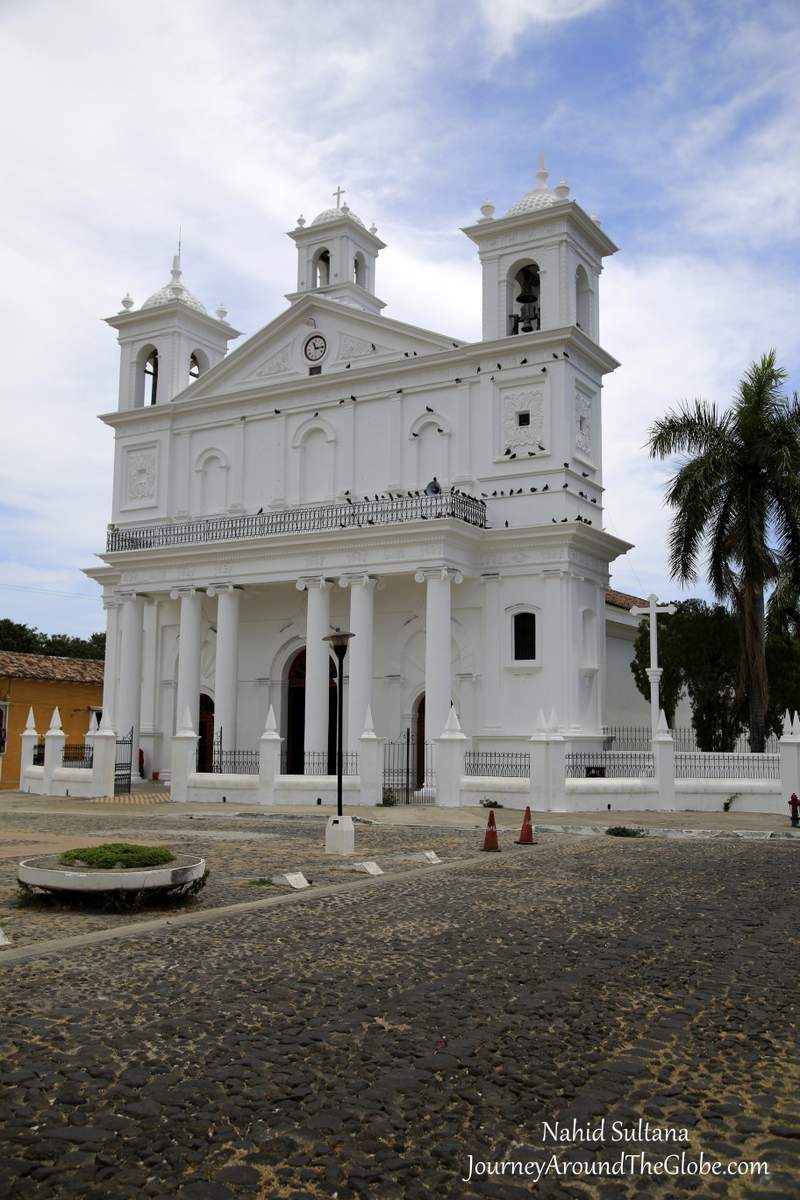
2) SANTA LUCIA CHURCH: After arriving Suchitoto, our driver dropped us with the guide at the city center, near Santa Lucia Church. Most of the Central American churches look very similar to this one with white exterior and a pair of bell towers. Even in plain white, the building from 1836 looks bold and beautiful. The church still has its original floor and elegant wood interior with beautiful altar. It looked prettier with the decoration for a wedding that was going to take place that evening.
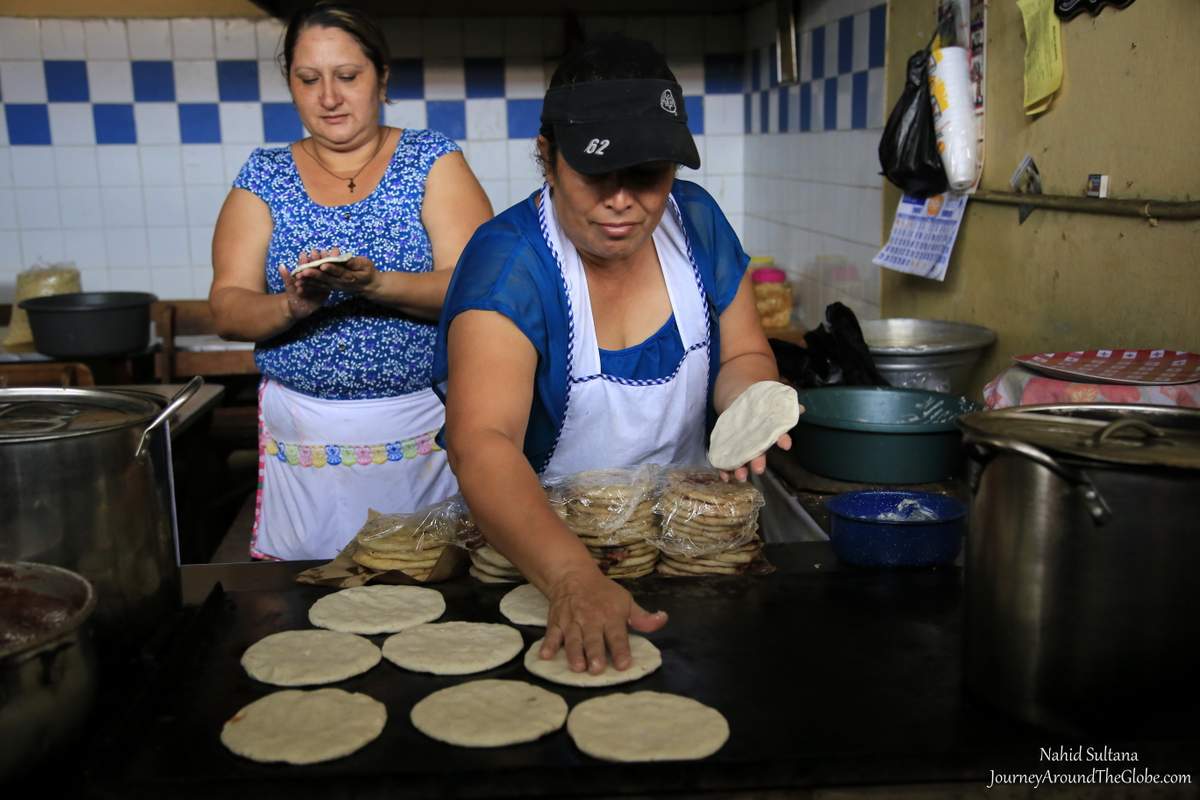
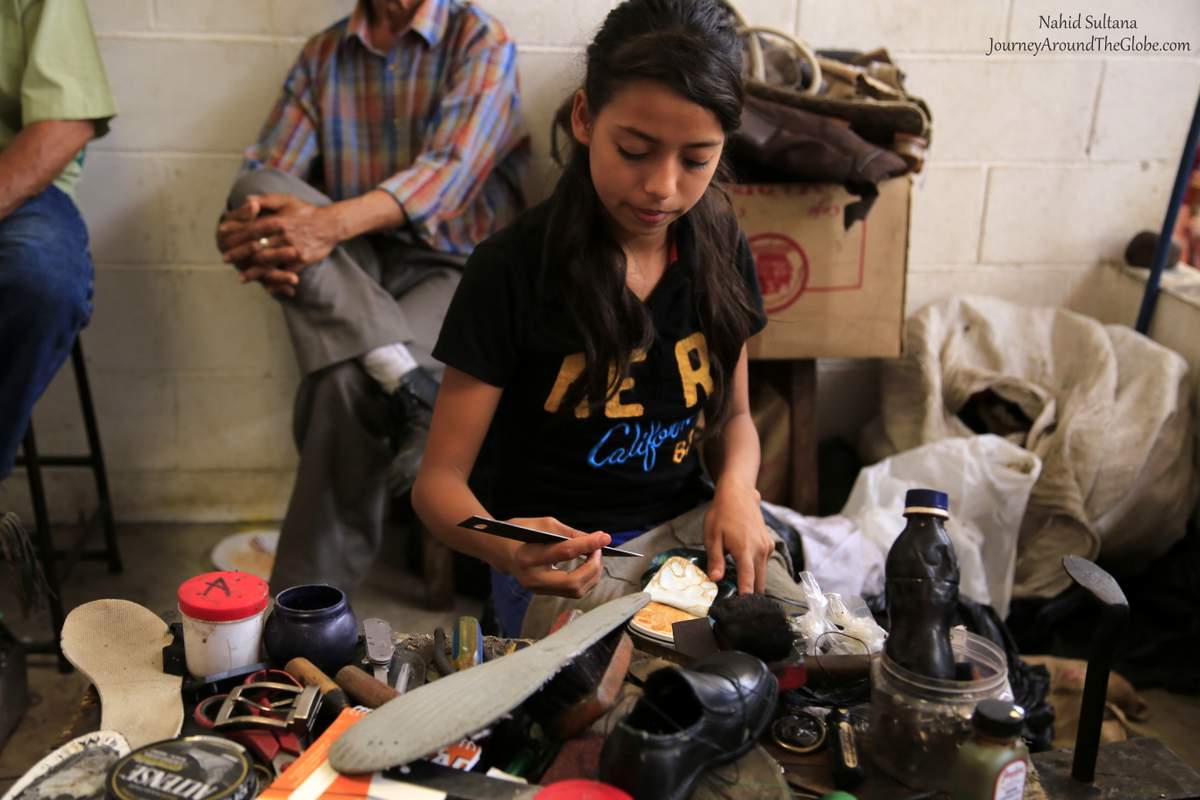
3) MARCADO MUNICIPAL de SUCHITOTO: This indoor area few minute from the church is the main market place for the locals. You will find many vendors selling fresh produces, local cheese, sweet treats, fish and meat, and lots of variety of household things here. You can find individual people offering services like alteration, shoe fixing, and other repairing services. After passing these family businesses, where even children were working, we came to the other side of the bazaar. Here, the ladies were cooking and selling different types of local dishes in big batches, like tortillas, stuffed tortillas, and other snacks. Overall, Marcado Municipal de Suchitoto was a great place to capture some images of the locals…all I had to do was ask nicely and show them their picture after I took it.
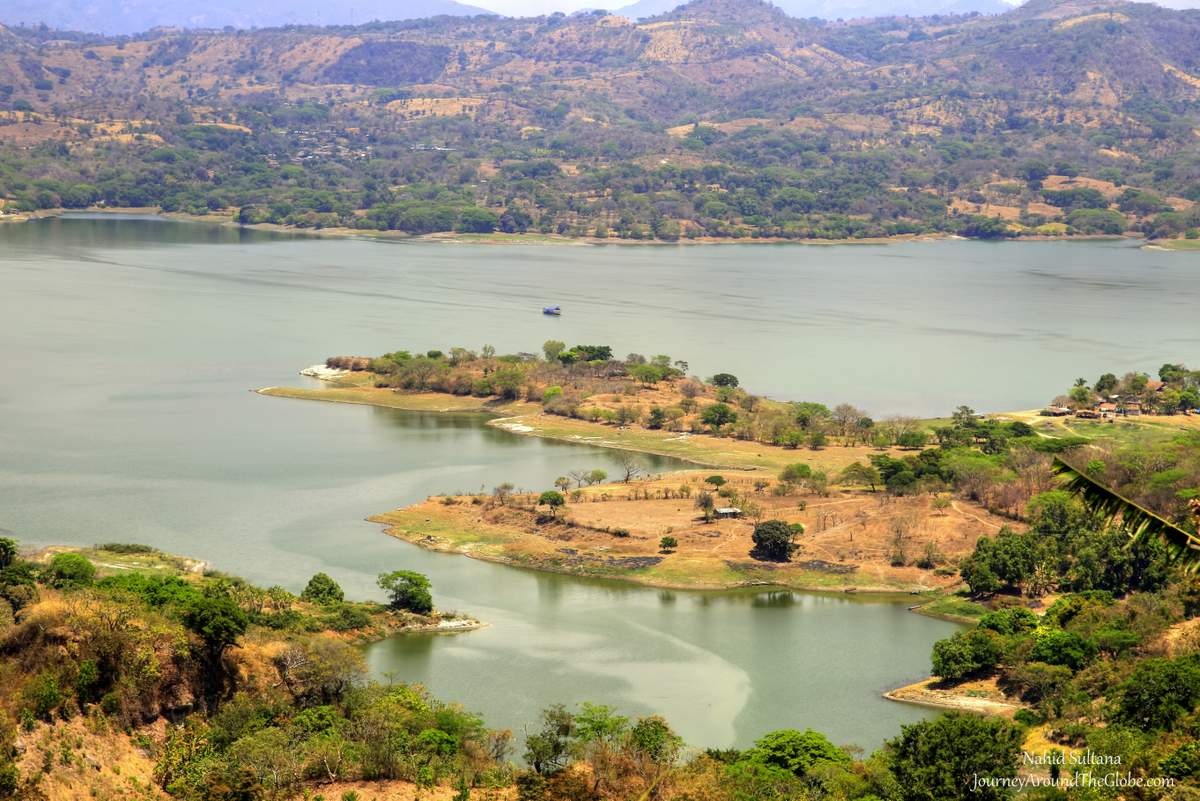
4) VIEW of SUCHITLAN: Our guide took us to this fancy hotel and restaurant, “Posada Suchitlan” for few minutes to give us an overview of the beautiful lake, called Lago Suchitlan. It was absolutely a fantastic view from the balcony of that restaurant. Although we didn’t have lunch here, it would have been a perfect place to sit down, admire the lake, and enjoy some local delicacies.
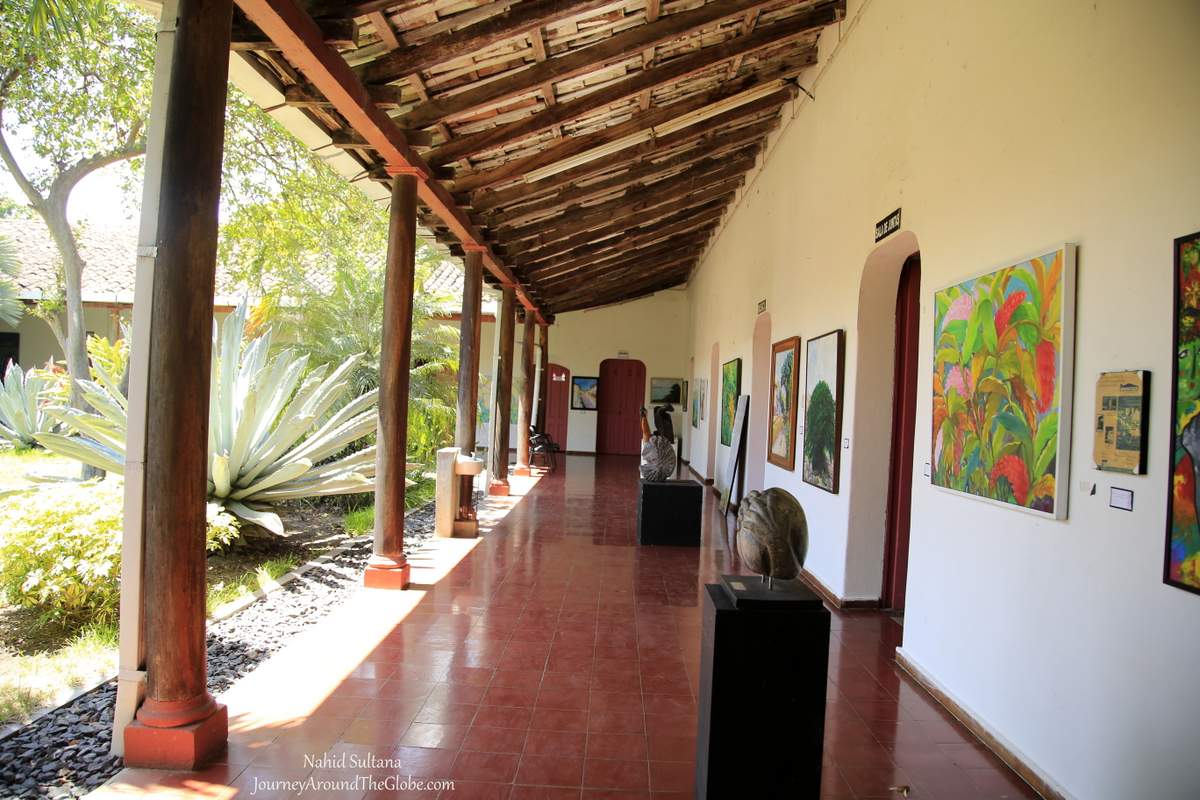
5) CENTRO ARTE PARA LA PAZ: From the hotel “Posada Suchitlan” we walked another few minutes to Centro Arte Para La Paz. It was lunch time and the indoor exhibition was closed. We also couldn’t see the video they show on the history of Suchitoto. We spent few minutes just walking around the terrace surrounding the small garden with tropical plants. There were some sculptures and an inspiring canvas where many people left their peace messages for the visitors.
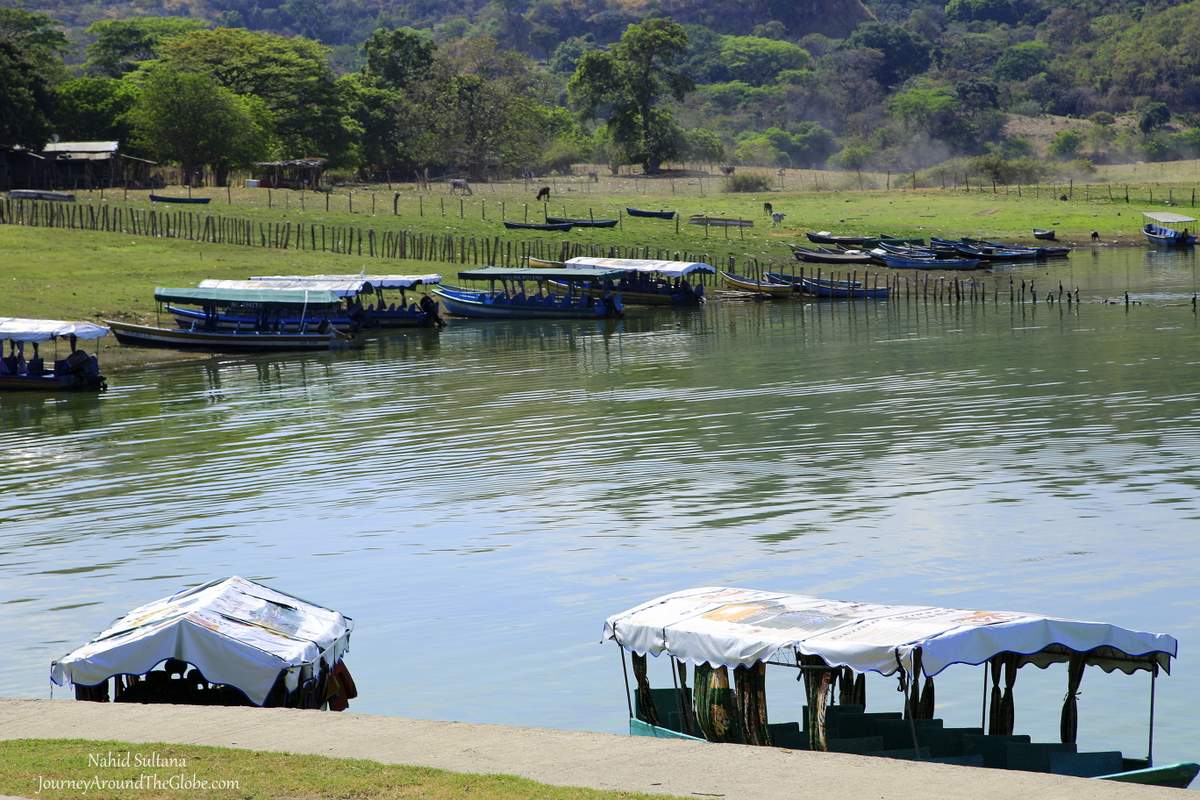
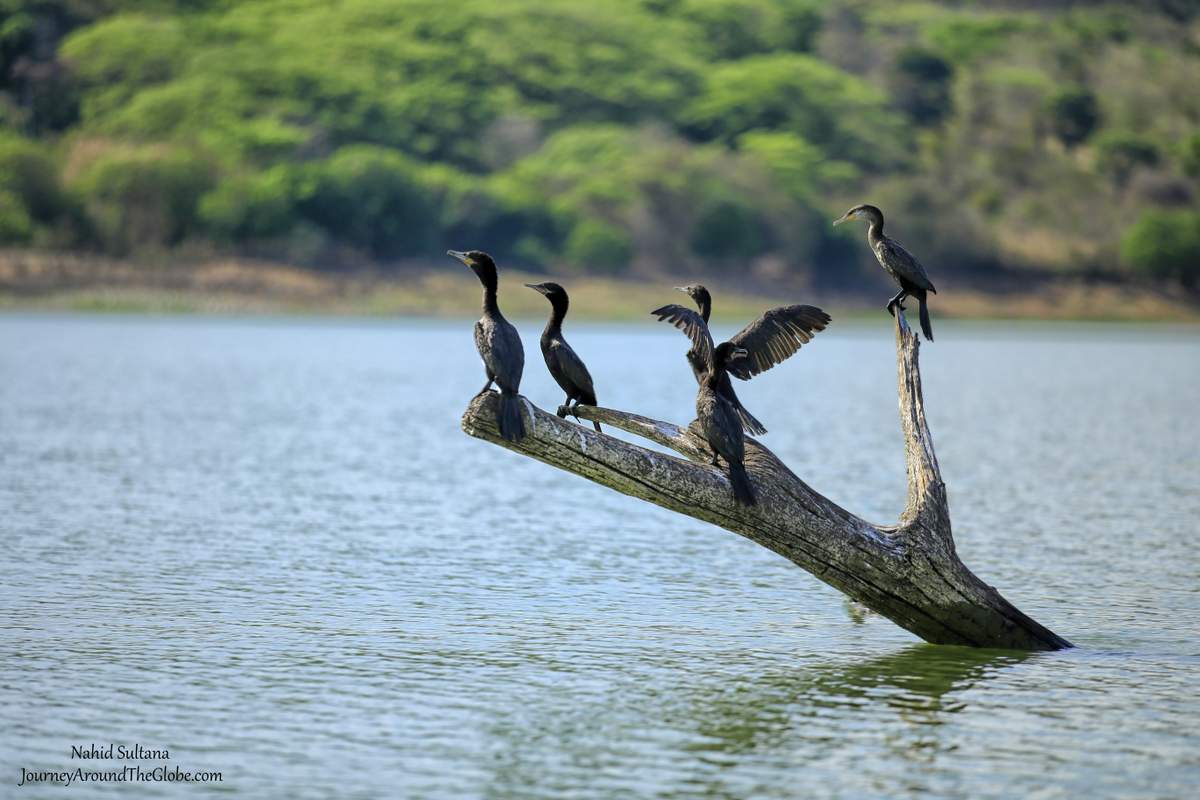
6) BOAT TOUR ON LAGO SUCHITLAN: This was the highlight of Suchitoto for me. At the end of the day while the sun was still out, our guide suggested us to take a boat tour on Lake Suchitlan. The minivan took us all the way down to the lake shore. There were few options for the boat ride. We chose to see the “Bird Island” which was $30 for 1 hour ride. This was the best way to enjoy the nature and get some fantastic clicks in my camera. The kids loved seeing many different kinds of birds on our way to the island and on the island. We saw hundreds of birds, like pelican, osprey, some tropical, and some migrating birds. The day ended in a perfect way with this tour…couldn’t have been better than that.
Share this:

A day in the City Center of San Salvador
SAN SALVADOR, EL SALVADOR: El Salvador was my first country to visit in Central America. I have to say all of my stereotype opinions about Central America were erased on the very first day in this stunningly gorgeous country.
Although there is nothing much to do or see in the capital San Salvador, it can be a good base to start off the journey in El Salvador. Like any other capitols, this is a big cosmopolitan area with big buildings, crowds, and traffic jam. Downtown is a good place to feel city’s energy and learn about its past, although most of its historic buildings were destroyed or damaged by different earthquakes.

The capital, San Salvador, is surrounded by big and small mountains. It’s beautiful especially when you can see the San Salvador Volcano from distance which you can actually hike for a fantastic view of the city. Don’t worry, it’s been dead for many years…but as the Salvadorans say, no volcanos are dead, they are just sleeping…you never know when they will wake up again.
There is a $10 entry visa that you can get in the airport to enter El Salvador with American passport. US Dollar is their official currency; so foreigners can buy and get change back in USD for any purchases or meals.
TIME of TRAVEL: We went to Central America around my girls’ spring break, Mid-March of 2015. Our first stop was in El Salvador, then to Panama, Costa Rica, and finally to Nicaragua. Within El Salvador, we spent a day in San Salvador, one day in historic town of Suchitoto, and last day in Joya de Ceren, visiting the Mayan ruins. The climate is very tropical here and temperature in El Salvador is usually constant throughout the whole year. We were there during the dry season. You don’t want to come here in the monsoon when you can’t get around as much.
OUR HOTEL: Real InterContinental San Salvador was our hotel and base in El Salvador. We stayed here for 3 nights and everything about this hotel was above average. With courteous staffs, spacious rooms, grand breakfast buffet, and great location, this hotel was nothing less than A+ in every way. It was within walking distance from some fast food places and a mall. Although we booked all of our tours before arriving here, hotel can arrange daily tours with professional guides anytime for its guests.
EATING and SHOPPING: Spanish conquerors ruled this part of the continent for few centuries and left many influences here. But don’t expect to get tapas at every corner, like me. The food is more similar to Mexican, but we didn’t see any tacos or burritos.
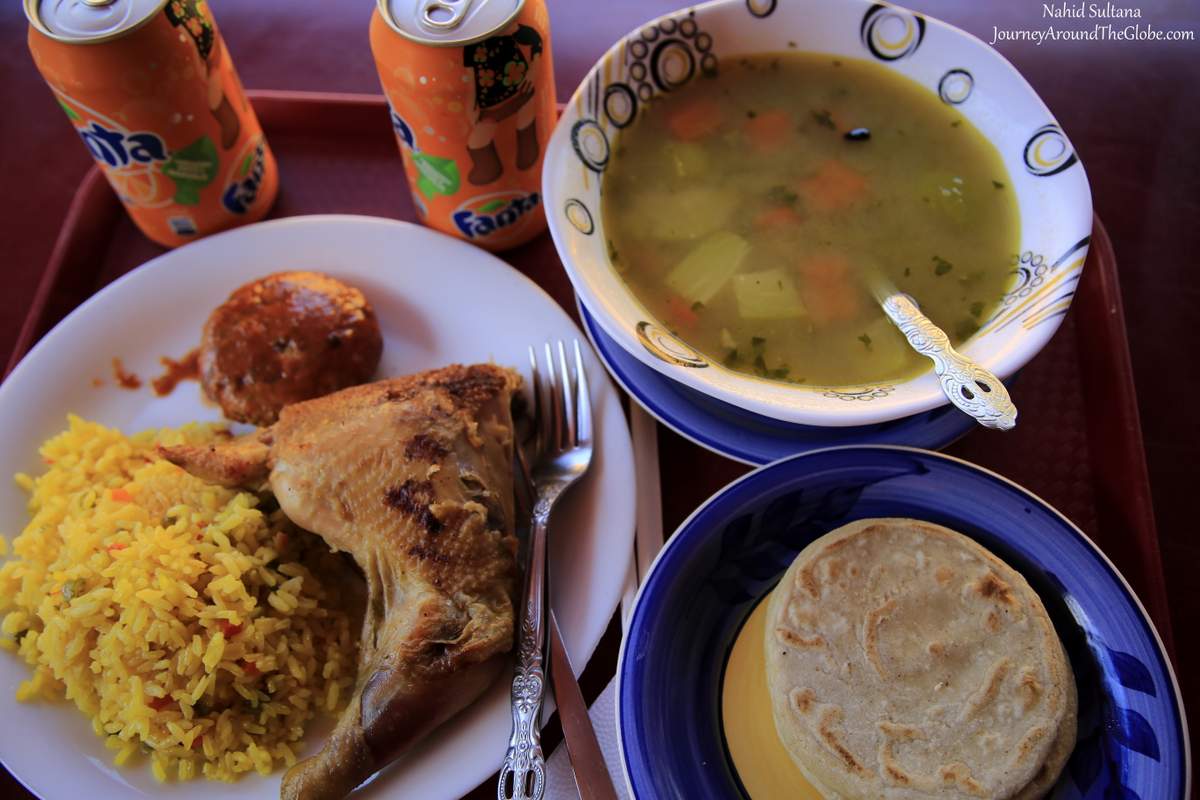
Our dinners in the capital were mostly from the fast food restaurants that we had close to our hotel. When we were touring San Salvador in a cab, we had lunch in Marcado de Artisans. There was only one restaurant inside the market complex with cheap but good food. Central Americans eat rice for breakfast, lunch, and dinner. You will get rice almost with any dish. We had flavored rice with bean and chicken, an interesting chicken soup with rice and chicken gizzards, and bite size tortilla on the side. The food was simple but very tasty. Other than that, San Salvador has all the American fast food places, like Wendy’s, McDonald’s, KFC, Subway, Pizza Hut, Popeye’s, and etc. If you want to try a local chain which also serves local dishes, Mr. Donut is a good and clean place. By the way, they don’t only offer donuts, you can get full lunch or dinner with sides…all Salvadoran style.
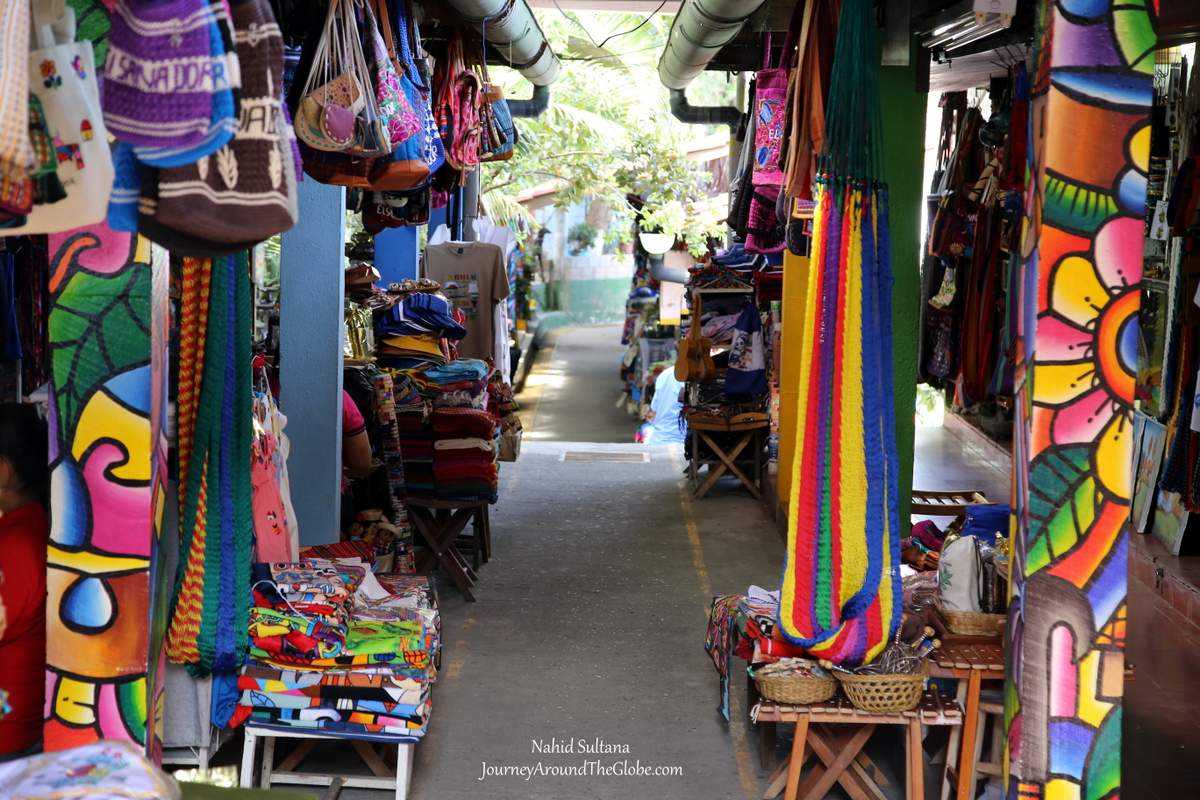
Marcado de Artisans is probably the best place for souvenir hunters. We didn’t see so many gift shops in one place like Marcado de Artisans anywhere else in San Salvador. Salvadoran gifts are usually brightly colored, mostly depicting rainforest lives. You can find dolls in traditional outfits, different animals and birds, religious items, paintings, and many household items for everyday usage. Hammock is very popular here and all over Central America…you will have plenty of options in this market.
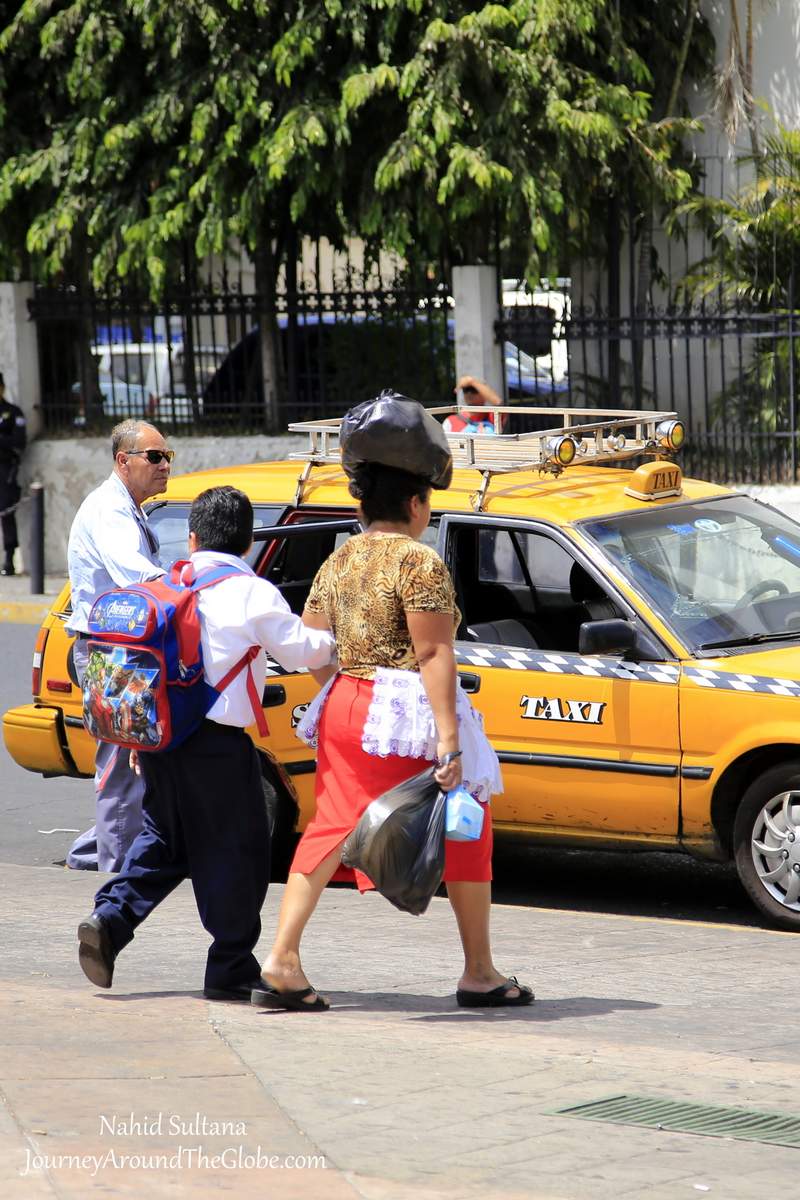
PLACES WE’VE VISITED: We had 3 nights in El Salvador, out of which we spent 1 day in San Salvador, the capital. It’s almost impossible to see the sites on foot, since everything is scattered around the whole town. We rented a cab from the hotel concierge for a day and told the driver, who didn’t speak much English, what we want to see and do. It was $10 per hour for 7 or 8 hours.
We didn’t visit any museums in San Salvador, though the city has lots of them. David J Guzman National Museum of Anthropology is known to be one of the most important ones. We passed by Teatro Nacional in downtown which can be a good place for music and theater lovers.
1) FUENTA LUMINOSA: First thing in the morning, the cab took us to Fuenta Luminosa, or Monument to the Sea. It is a big round-about with a grand water fountain in the middle of a busy intersection. I couldn’t take any picture during the day only because it was hard to stop in the middle of the street, but the fountain supposed to be extraordinary at night with its fantastic lights and colors.
2) IGLESIA CANDELARIA: This church sort of showed up in front of us while we were driving towards Catedral Metropolitana. If it wasn’t for our cabby, we probably wouldn’t have stopped here. He parked by the church, rang a bell, and talked to the lady behind a gated door to make an arrangement for us to go inside.
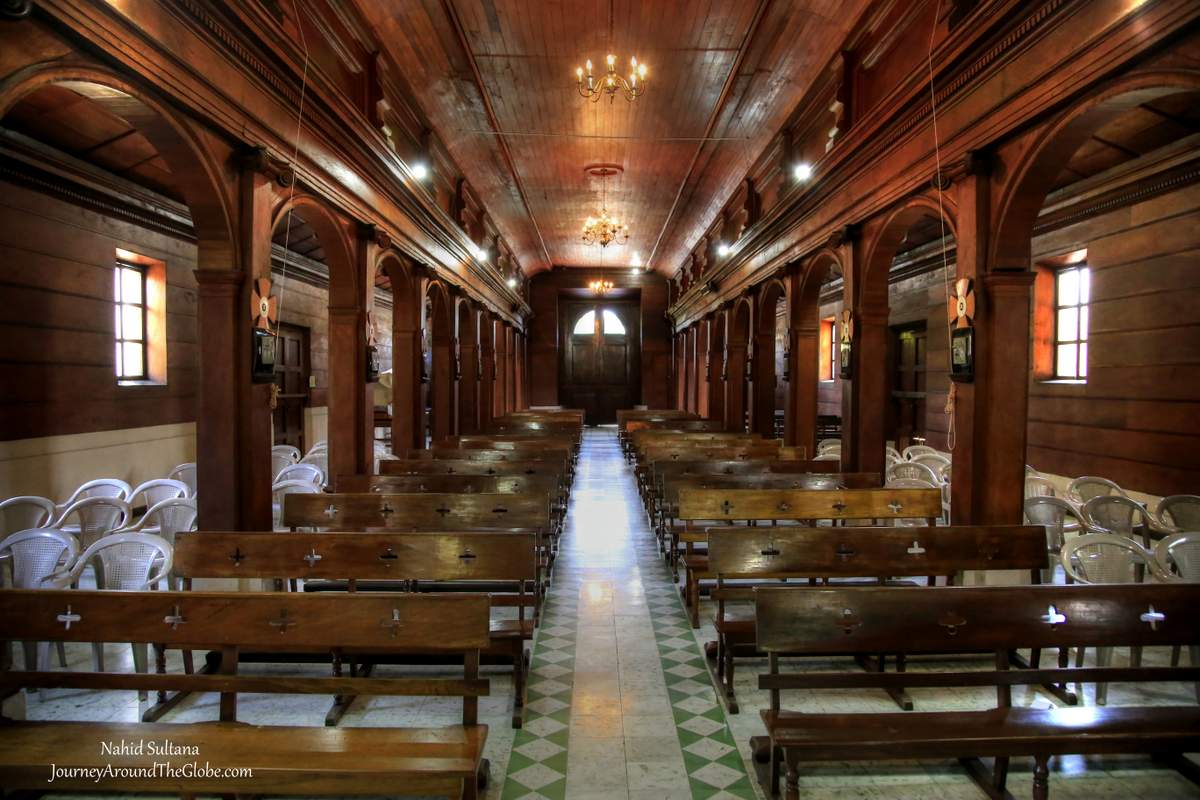
After passing a small courtyard and some cats and dogs, the lady opened a gate to the church. It’s a 100 years old church and still active. Inside is small and simple but nicely embellished. The altar is nicely curved out of wood and adorned with not-so-overwhelming decorations.
3) CATEDRAL METROPOLITANA: This is probably city’s most important and iconic place of worship. It is big in size, beautified with exquisite wood curved altar, and has beautiful patterns on the ceiling.
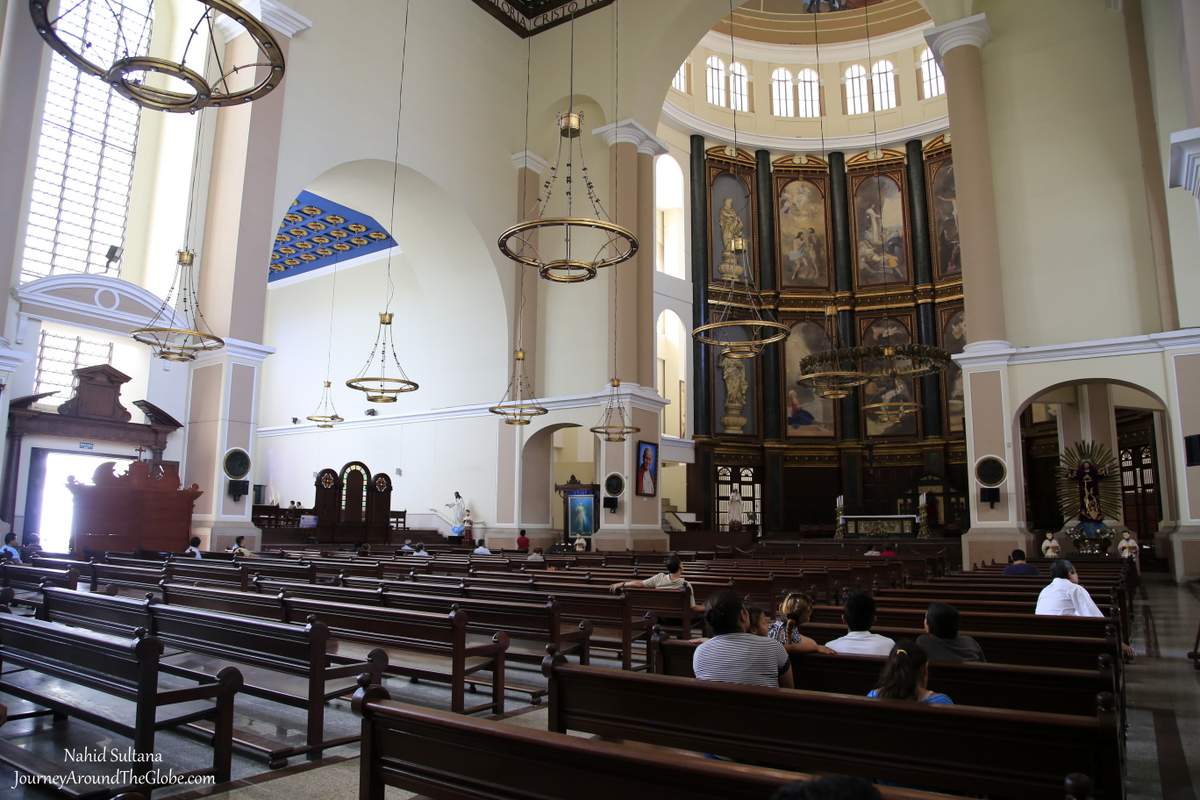
The cathedral is located in Plaza Barrios in the city center. Opposite of the cathedral is Teatro Nacional or National Theater. There is a small parking space in front of the church. For $0.50, you can park there for a short-term while visiting the church and surrounding.
4) NATIONAL PALACE: National Palace is right beside the cathedral, within walking distance. After crossing a really crowded and busy street, we climbed the stairs to go inside the palace.
Historically, the first National Palace was constructed in 1870, but it was completely destroyed in 1889. The present building is from 1905 – 1911 by Captain and President Gerardo Barrios. I almost felt like I was in Andalusia while roaming around the rooms and balconies of National Palace. The small museum here can be a good place to learn about the past politics and history of El Salvador.
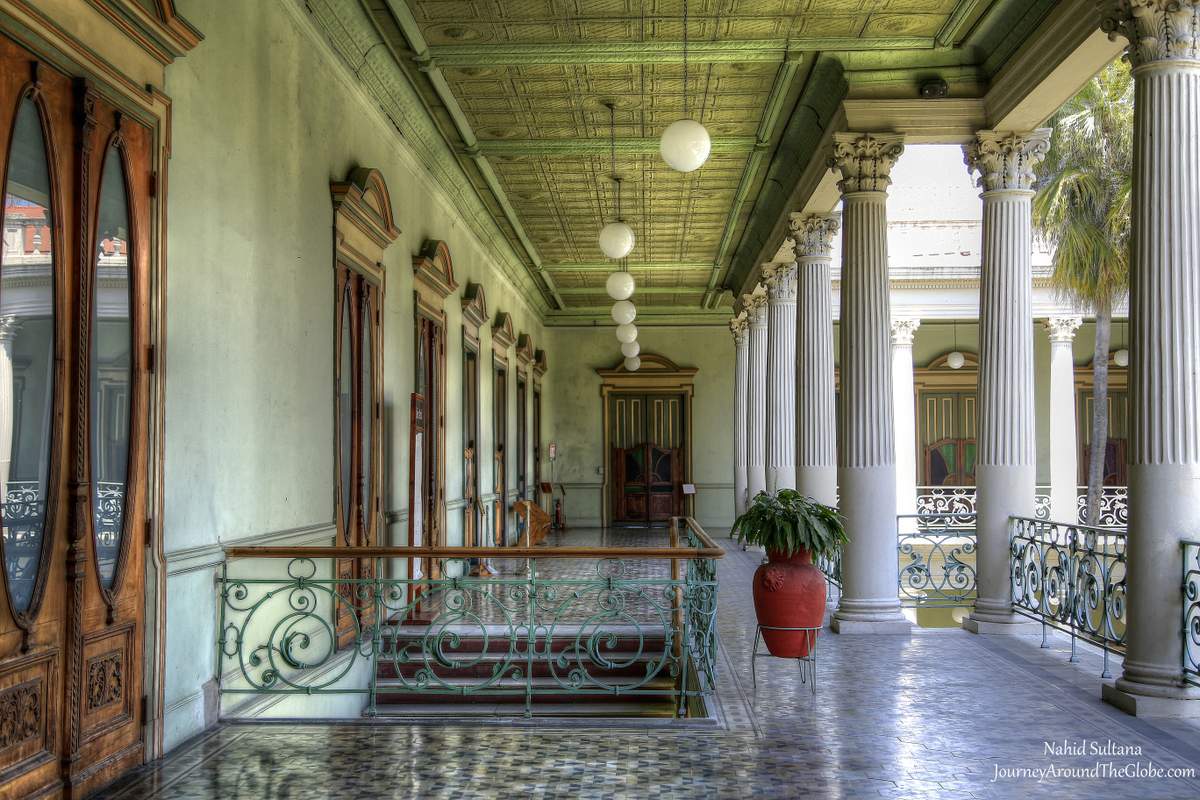
Square in front of the palace is known as Plaza Barrios. A statue of President Gerardo Barrios stands in the middle of the square. It was $3 per adult and kids were free. Plan to stay here at least an hour to look around the old rooms, balconies, lush Moorish style gardens, and small exhibitions and displays.
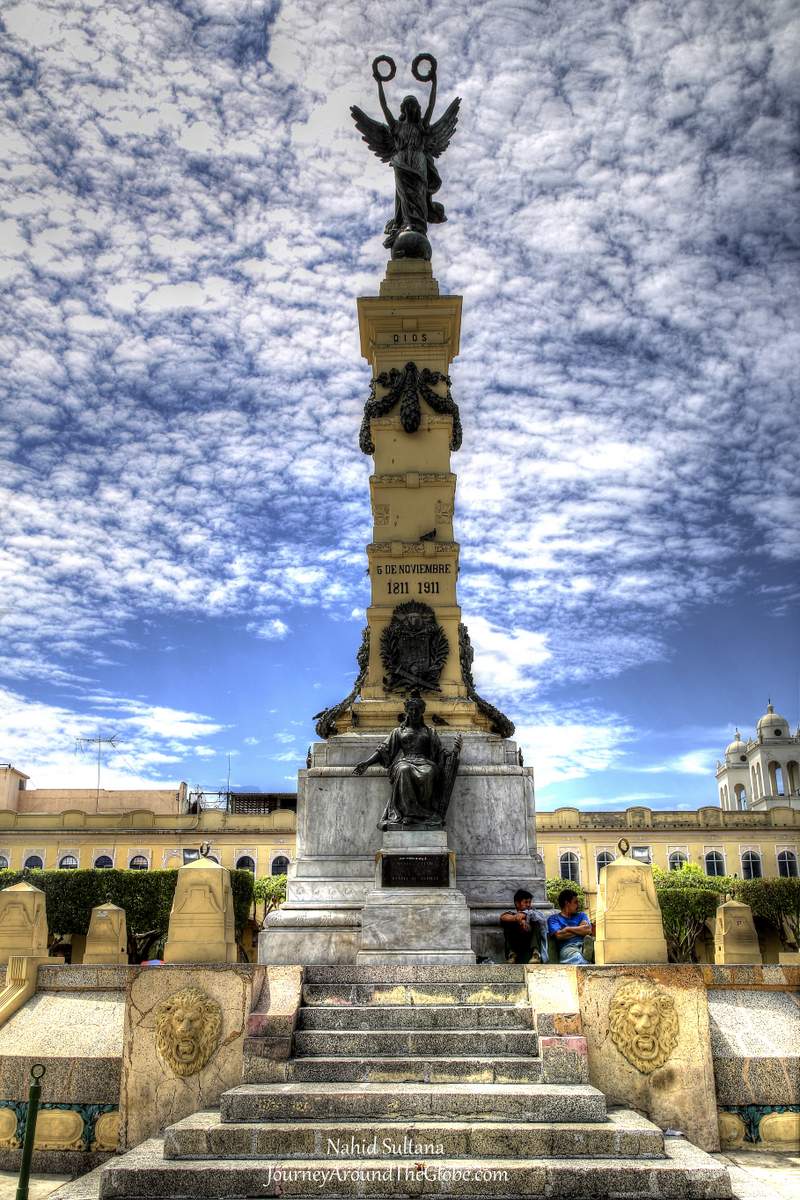
5) PLAZA LIBERTAD: We walked from National Palace to Plaza Libertad. It was a nice stroll because we came across some outdoor markets, saw locals doing their daily chores, and a hustling-bustling side of the city. Plaza Libertad is a nice spot with some trees and benches in the middle of all the city chaos. Many old buildings surround the plaza and a tall statue stands in the middle as a symbol of liberty.
6) IGLESIA ELROSARIO: Opposite of Plaza Libertad is Iglesia Elrosario, a modern church in the heart of San Salvador. Built in 1970s, this is an architectural jewel of El Salvador. You may not imagine the stunning beauty this church holds from its outside look. With contemporary architectural design, colorful stained-glass windows, non-cluttered altar, and gorgeous statue of Jesus carrying the cross make this place a must-see in San Salvador.
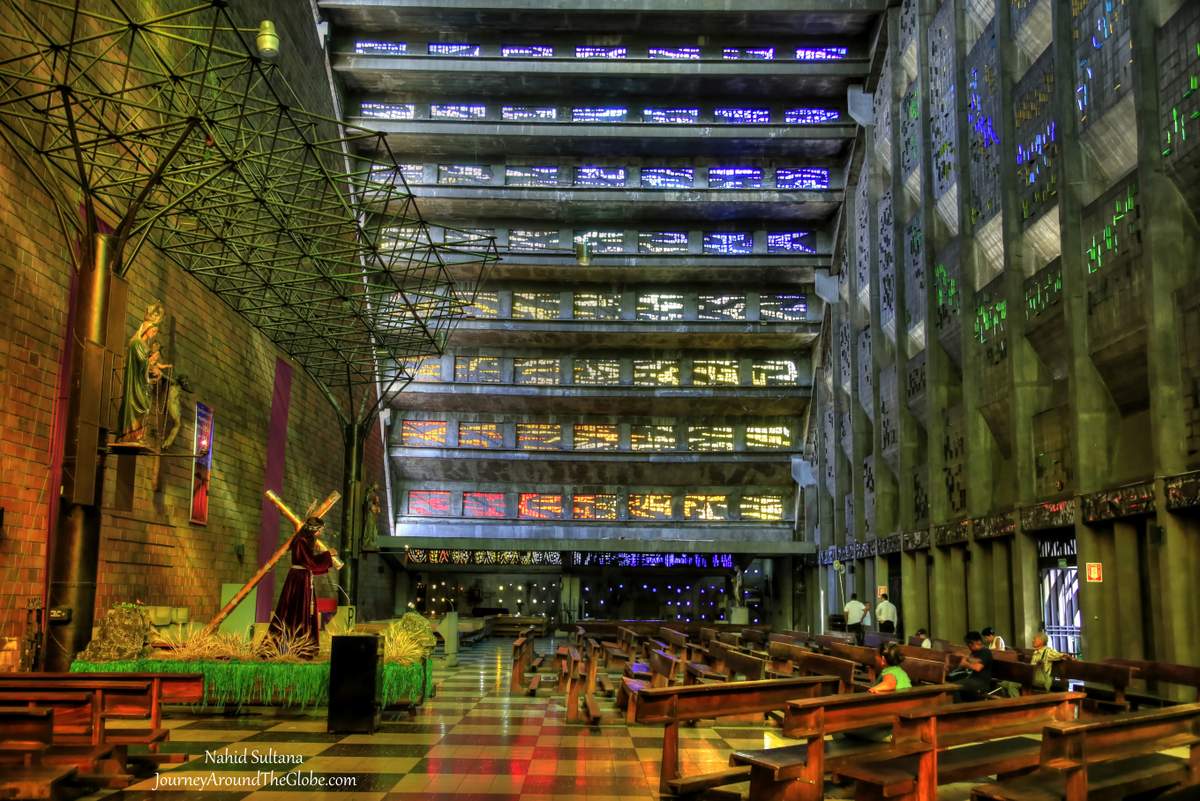
The church is usually closed during the lunch time. We first tried to go there in the early afternoon but had to come back at the end of the day when it was open again.
7) BOULEVARD de los PROCERES: This is one of the widest boulevards in whole Central America. Ten busts of famous Salvadorans line on the both sides of the streets. It is a busy street and we couldn’t stop nor take any pictures.
8) MERCADO de ARTESANIAS: This is a good place to buy cheap and local crafts, including hammocks and many other colorful items. We bought a small painting of a village scene here for a good price. You do have to bargain to get a good deal. Most of the stores have similar items. But do look around a bit to get the souvenir that you will cherish from El Salvador lifelong.
9) MONUMENTO al DIVINO SALVADOR del MUNDO: “Monument to the Savior of the World” is one of the most recognizable monuments in San Salvador. The Savior is the Patron Saint of San Salvador. This another busy round-about of the city. We had to make few rounds around it to get a clear picture.

Share this:

Business Excellence Award 2020 from AI Global Media for The Most Entertaining Personal Travel Blog – Pacific Northwest USA

Top Posts & Pages


Authors
 Globe Runner
Business Excellence Award 2020 for The Most Entertaining Personal Travel Blog – Pacific Northwest USA

Business Excellence Award 2020 from AI Global Media

 Journey Around The Globe