Journey Around The Globe
ready for the next destination
Guest Post – The Most Popular Cities in Germany
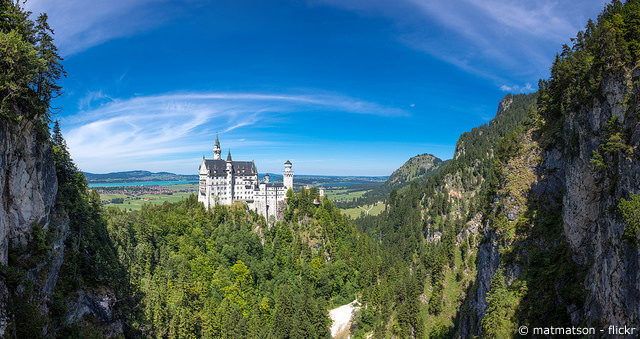

With its wide choice of historic locations, Germany is ideal for a holiday abroad. German cities offer something for everyone and have become a popular destination for weekends away. But which one is best for you?
Berlin
The country’s capital has always been lively, attracting free thinkers to alternative lifestyles and artistic communities. It’s still a hub for the arts where you can wander from established outlets to taking in highly-regarded street graffiti.
Since re-unification, the Berlin Wall Memorial and Checkpoint Charlie have joined traditional favourites like the Brandenburg Gate on the tourist trail. Take a bus tour to understand the layout of what was East Berlin and spend some time at the Holocaust Memorial.
Munich
Head to Bavaria for Germany’s second city, a mixture of the modern and traditional. You can spot the latter by the lederhosen and beer halls – try the Augustiner Bräustuben situated inside a brewery, and mark your calendar for Oktoberfest.
Explore by bike and stop off at Residenzmuseum, home to Bavaria’s rulers for 400 years or relax in Englischer Garten, one of Europe’s biggest parks. Leave time to take in some of Munich’s world-class art galleries and museums, and its 15th century religious pulse the Frauenkirche.
Hamburg
The country’s second-largest city and its wealthiest also boasts its biggest port. A shuttle service transports visitors between maritime cultural attractions such as the Internationales Maritimes Museum, while a bus tour travels alongside the Elbe.
Sample cuisine from a wide variety of cultures and listen to live music in the place which once showcased the Beatles. Northern Germany’s biggest Protestant baroque church St Michaelis, or Der Michel as it’s known, is a landmark that’s easy to spot and worth a visit.
Frankfurt
The business and commerce centre that is Frankfurt am Main houses the European Central Bank and one of the world’s biggest stock exchanges, an 1843 neoclassical building. With excellent museums, parks and restaurants, a substantial student population and lively night life, backed by an efficient transport system, this is a pleasant place for a break.
Stroll through the parkland beside the River Main or rest in the Römerberg, Frankfurt’s old square and the scene of Christmas Markets. The poet Goethe grew up here and his birthplace has been reconstructed at Goethe-Haus, while art-lovers shouldn’t miss Museum für Moderne Kunst which displays modern art from the 1960s onwards.
Cologne
Twin cathedral towers dominate the skyline of the country’s most popular tourist destination, with medieval churches jostling with Roman remains balanced by a post-modern district. Take a cruise to fully appreciate the beauty of the Rhine before repairing to the community-run Biergarten Rathenauplatz, set out under some impressive old trees.
Climb the 509 steps of the Kölner Dom, Germany’s largest cathedral but pause at the 24-tonne Peter Bell, the world’s biggest free-swinging working bell. Chocoholics can reward themselves at the Schokoladenmuseum, where tours include history, processes and a sample from a chocolate fountain.

Dresden
Once known as the Florence of the north, the Saxon capital inspired artists such as Canaletto to record its delights. Many iconic structures were levelled in bombing raids during World War II but much has been rebuilt – the celebrated Frauenkirche is a symbol of the city’s rebirth. Today Dresden is a vibrant city where visitors can embrace its thriving arts and cultural life, whether it’s a gallery, the museums of the Zwinger or something more local such as the Kunsthofpassage. Visitors will find locations to suit all tastes and pockets in Germany, but if you’re on a budget check out couporando.co.uk for money-saving vouchers!
Picture: © Neuschwanstein (matmatson /flickr, CC BY 2.0)
Share this:

Poas Volcano and La Paz Waterfalls Garden in Costa Rica
POAS VOLCANO and LA PAZ WATER FALLS GARDEN, COSTA RICA: Costa Rica is unimaginably incomplete if you don’t get out of its metropolitan life and visit its engaging natural beauty. Visitors have to uncork its beauty by visiting its dramatic volcanoes, youthful rainforest, powerful waterfalls, and taking revitalized hikes. This day-trip by far was one of the most interactive and fun journeys for our girls as well as for us. And if you are a nature photographer…then this is a double-must-see, you won’t regret it.
As a country Costa Rica was rated as the happiest country in the world. It enjoyed being the first democratic country in Latin America and is the “Silicon Valley” of Latin America. We heard lots of stats like these from our guide in this tour. But even before these, I fell in love with Costa Rica as we were prepping for our Central America tour. Seeing and experience the nature so closely gave us the opportunity to see how beautiful this country really is.
TIME of TRAVEL: We were in Central America in the mid-March of 2015. The first two countries that we visited here were El Salvador and Panama. Three days in Costa Rica flew by really quickly before our last destination to Nicaragua. The weather can get hot and muggy at this time of the year. Make sure to bring sunscreen and comfortable shoes for this trip…you will be walking a lot.
OUR HOTEL: Our hotel Radisson was located about 15 minutes’ walk from the downtown San Jose. It had a beautiful swimming pool and hot tub, free traditional and continental breakfast buffet, and free Wi-Fi. It was nice to have typical Costa Rican dishes every morning, which were black beans with rice, some local cheese and coffee.
EATING and SHOPPING: The trip included traditional style Costa Rican breakfast and lunch. After our first stop at Alajuela, we sat down in Doko State Coffee Plantation for a late breakfast. Some rice with black beans, fried plantain, egg, tortilla, and cheese for breakfast…can’t beat that. And lunch was in the café at La Paz Waterfalls Garden.
Other than that we got some nice treatment from the tour guide company. The guide stopped at few different shops, picked up local munchies for all of us and made us try all of them. Guava empanadas were one of my favorites, including local sweet strawberries.
Costa Rica is known to be one of the best producing coffee beans in the world and the coffee here is 100% natural and organic. We stopped at few different souvenir shops along the way and at the below destinations. Other than coffee, you can get traditional coffee making pots, chocolates, wood curved wall decors, and local jewelries in these stores.

PLACES WE’VE VISITED: This was a guided tour in the following areas. My most favorite thing to see in whole Costa Rica or in this whole Central America trip was visiting La Paz Waterfalls Garden. Poas Volcano was absolutely a breathtaking place to see too and hiking was the best in this park. This is a must-take tour in Costa Rica.
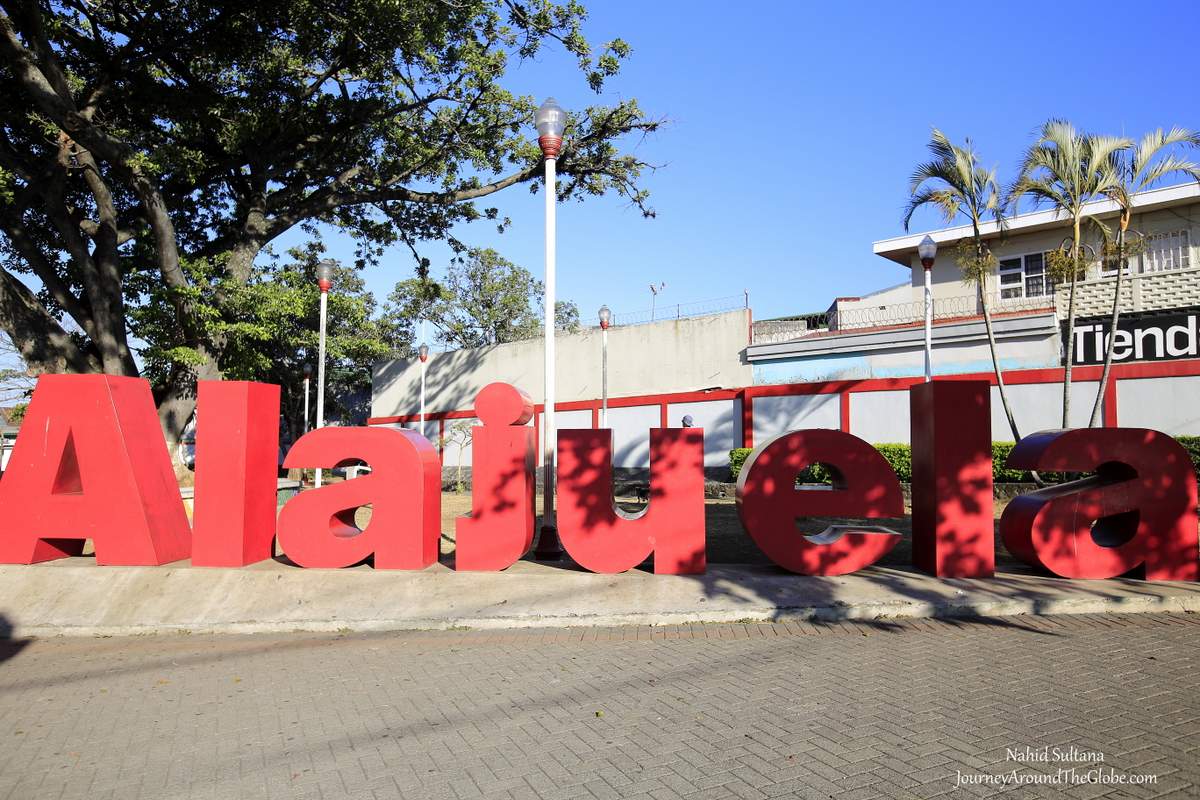
1) ALAJUELA: 20km from San Jose is the historic city of Alajuela. We stopped in the heart of city center after picking all of our group members. The statue of National Hero “Juan Santa Maria” stands in the big round plaza, who sacrificed his life during the battle with Nicaragua in 1856. Teatra Municipal is a yellow building that stands on one side of the plaza…an art-deco, neo-classic style architecture. Beside that is the Catedral Alajuela. And finally the white building in this plaza is the last military headquarter of Costa Rica (now Costa Rica is a military-free country)…presently a museum.
2) DOKO STATE COFFEE PLANTATION: From Alajuela, it was a harmonious drive to Doko State Coffee Plantation. This is a 112 year old coffee plantation place where you can learn everything about coffee. This coffee tour taught us a lot about this bean, like how it’s grown and processed. We saw some different demonstrations and phases of processing coffee in Doko State Coffee Plantation. You can see traditional ox-cart during this tour which is an icon of this country. Vargas family owned this 6000 hectors of plantation where visitors can now see a small coffee museum, old machineries, and a souvenir shop.
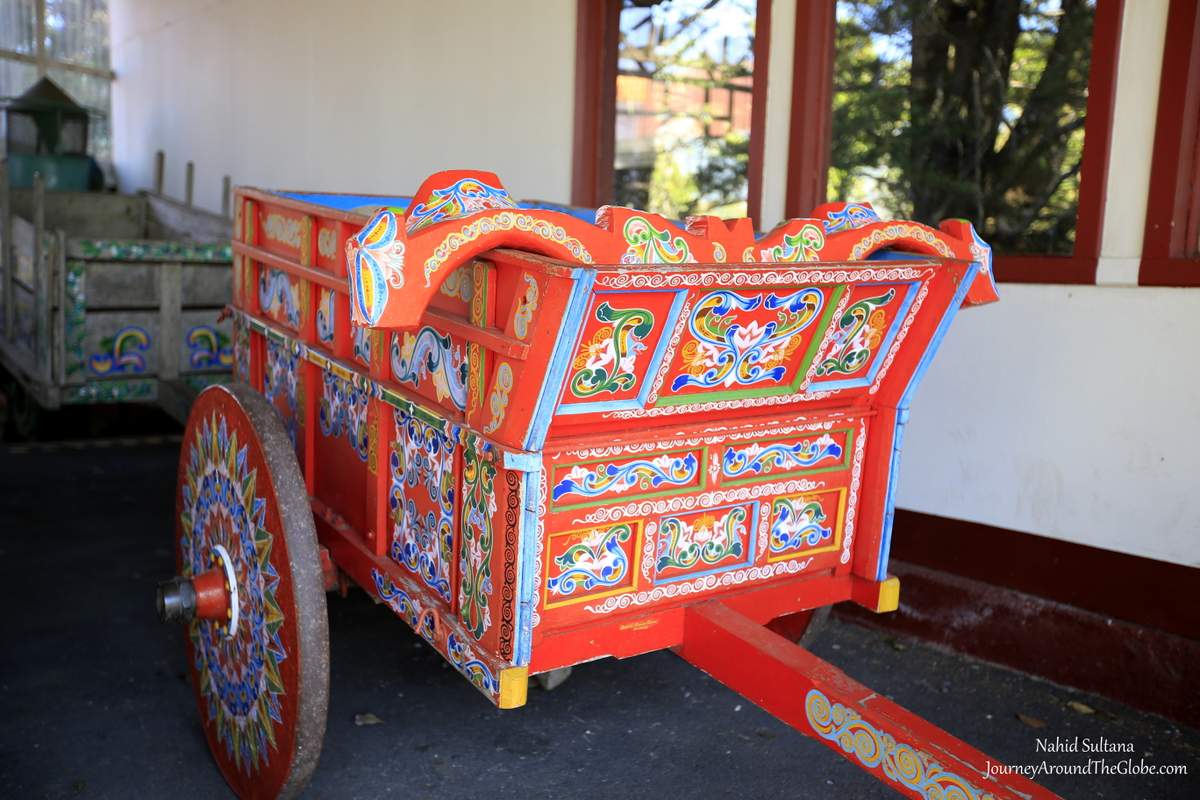
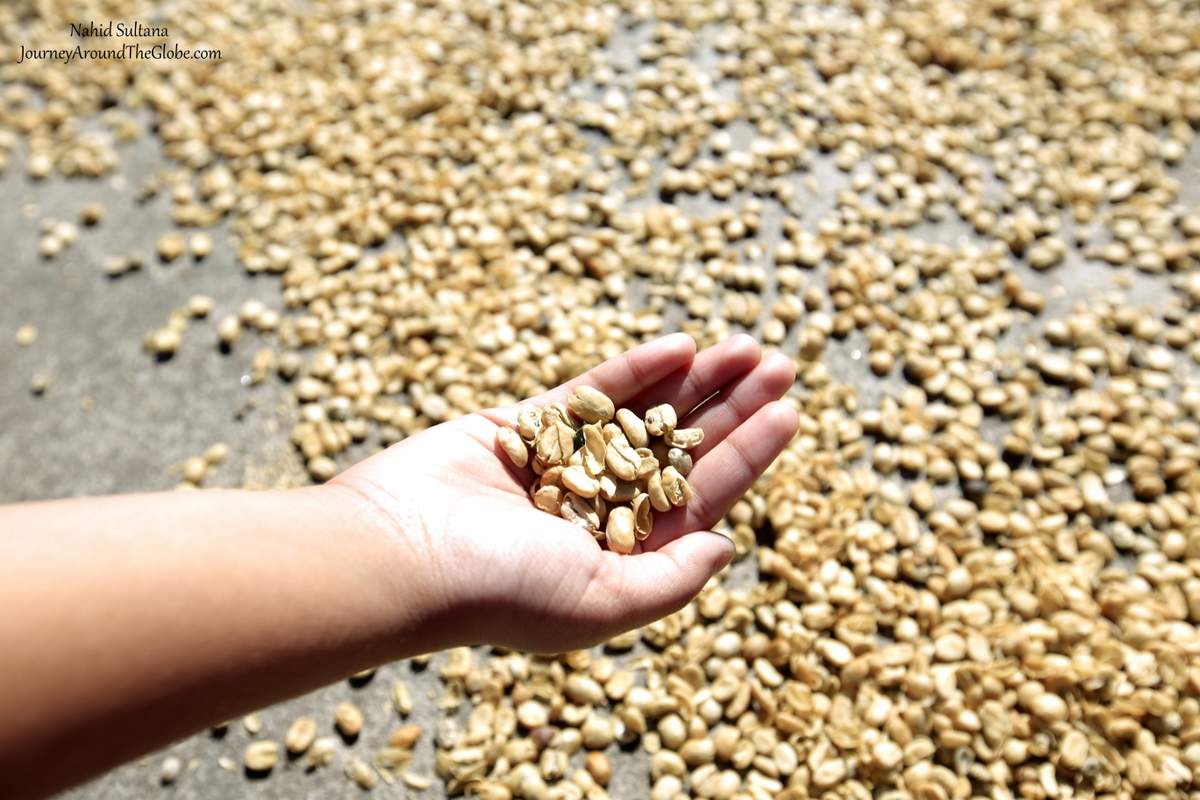
Originally, the first coffee came to Costa Rica from Ethiopia. The golden age for coffee in this country is 1832-1856. Now big companies, like Nescafe or Starbucks, get their 100% coffee beans from here.
The plantation is open from Monday thru Friday from 9am to 3:30pm.
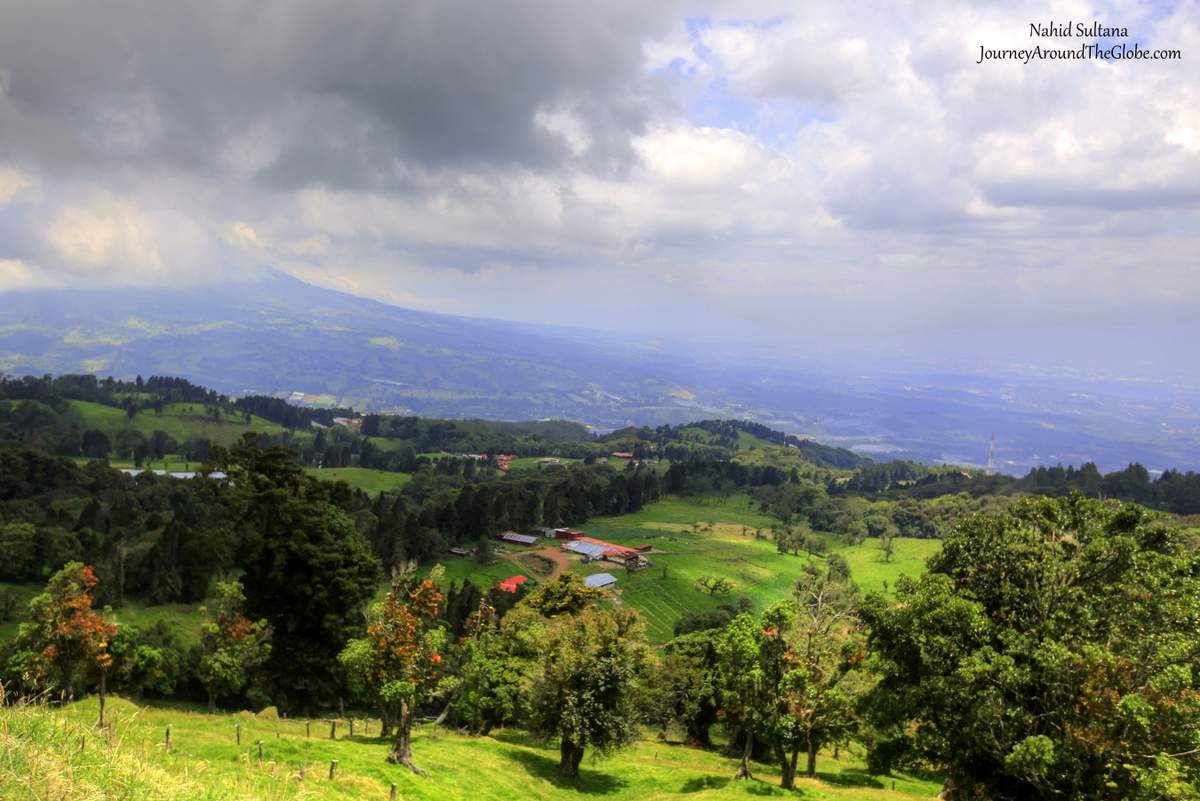
3) POAS VOLCANO NATIONAL PARK: About 75km from San Jose, this is a must-see adventure of Costa Rica. Unlike Irazu Volcano, this park was more beautiful, scenic, and gave me a feel of being in a rainforest jungle. The park opened in 1971. This protected wildlife area ranges from 4000 ft. to 8,860 ft. above sea level and covers 16,000 acres of grounds with hundreds of different species of flora and fauna. With more than 80 species of mammals and birds, this park has a rich diversity of wildlife. Common flora species include Poor man’s umbrella, ferns, bromeliads, and other exotic plants. Visitors not only get up-close and personal with the luring rainforest, but also can enjoy impressive views from different sites along the trails.
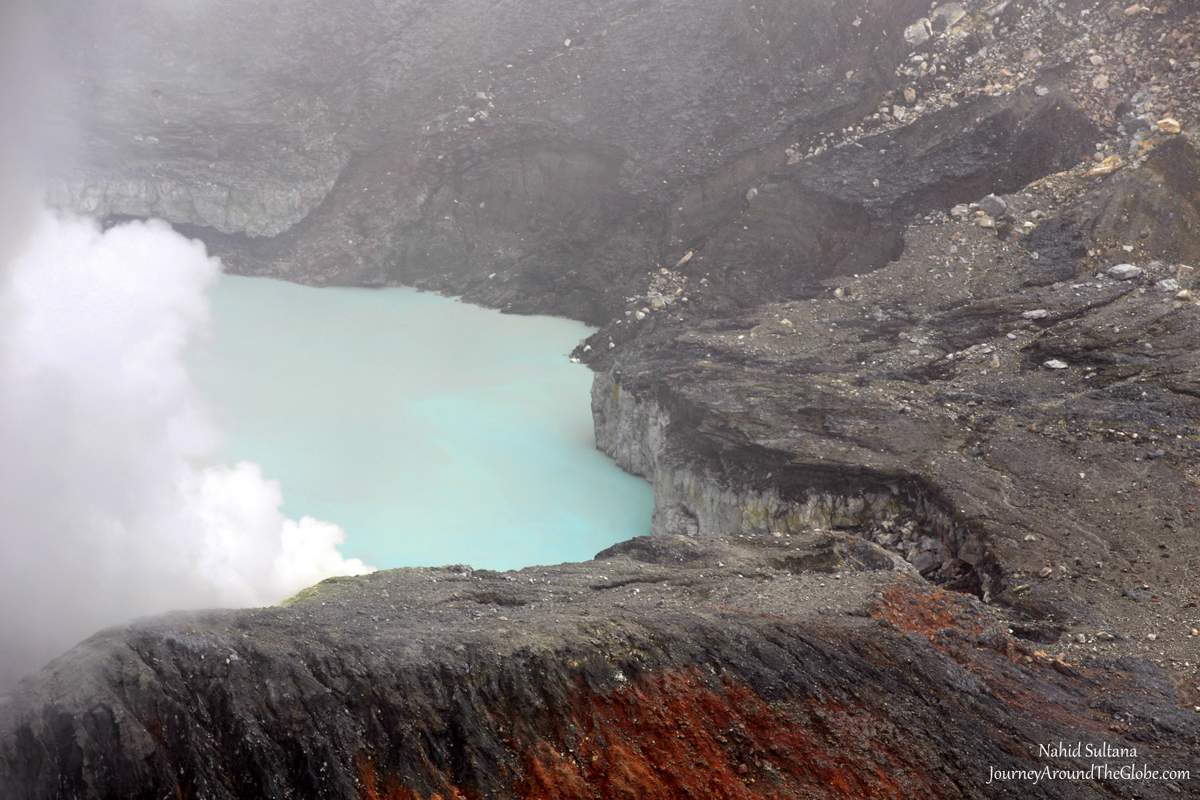
Poas Volcano is an active volcano which erupted nearly 40 times since 1828. It is an active composite volcano with a conical shape and various caldera depressions.
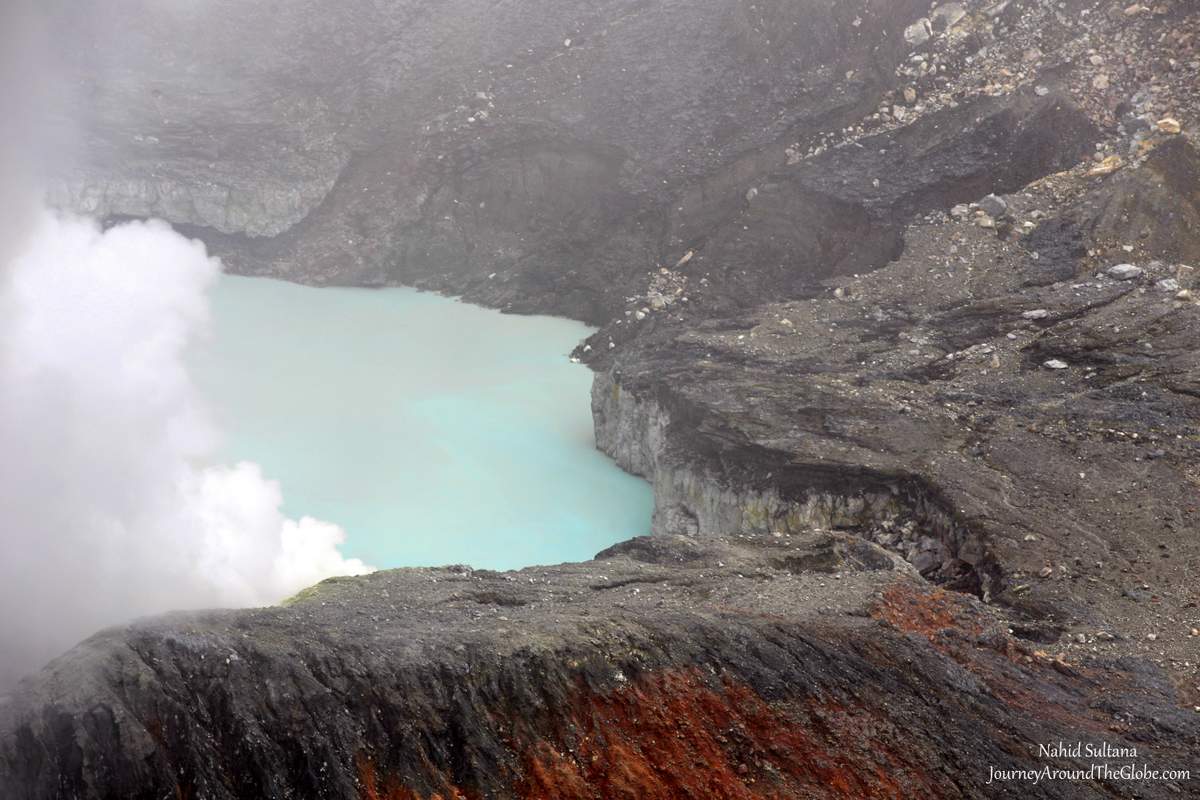
From the parking lot we took the Poor Man’s Umbrella trail, about 15 – 20 minutes’ of walk, to come to the Main Crater. The Main Crater of Poas Volcanos is a mile wide circular depression which is 300 meters deep and 1320 meters in diameter with a crystal blue lagoon rich in sulfur and acids. This is one of the world’s most acidic lakes and therefore, supports little or no aquatic life. (Caution: you can smell/inhale Sulphur from the terrace, you may feel irritation in your yes or lungs standing there for a long time). Standing on the terrace, you can see the main dome, ash layers, old crater, and also Caribbean Coast on a nice day. When we were there, the cloud/fog hid the crater for the most part. If you are lucky, you can see the whole crater with its sulfuric/acidic colors. We couldn’t see the Main Crater properly because of the cloud but still enjoyed its unique features. From the Main Crater we followed Botos Lagoon Trail that took us to Lake Botos…an inactive crater filled with clear water and surrounded by cloud forest. This was a beautiful place I must say. Escalonia Trail is a long trail which eventually brought us to the starting point near the parking lot. We saw hundreds of different kinds of exotic species including ferns, Poor Man’s Umbrellas, bromeliads along the way…oh yeah, and a squirrel. Basically, it was about half a mile to the first crater, two miles to go the lagoon, and total of three miles to come to the parking lot again.
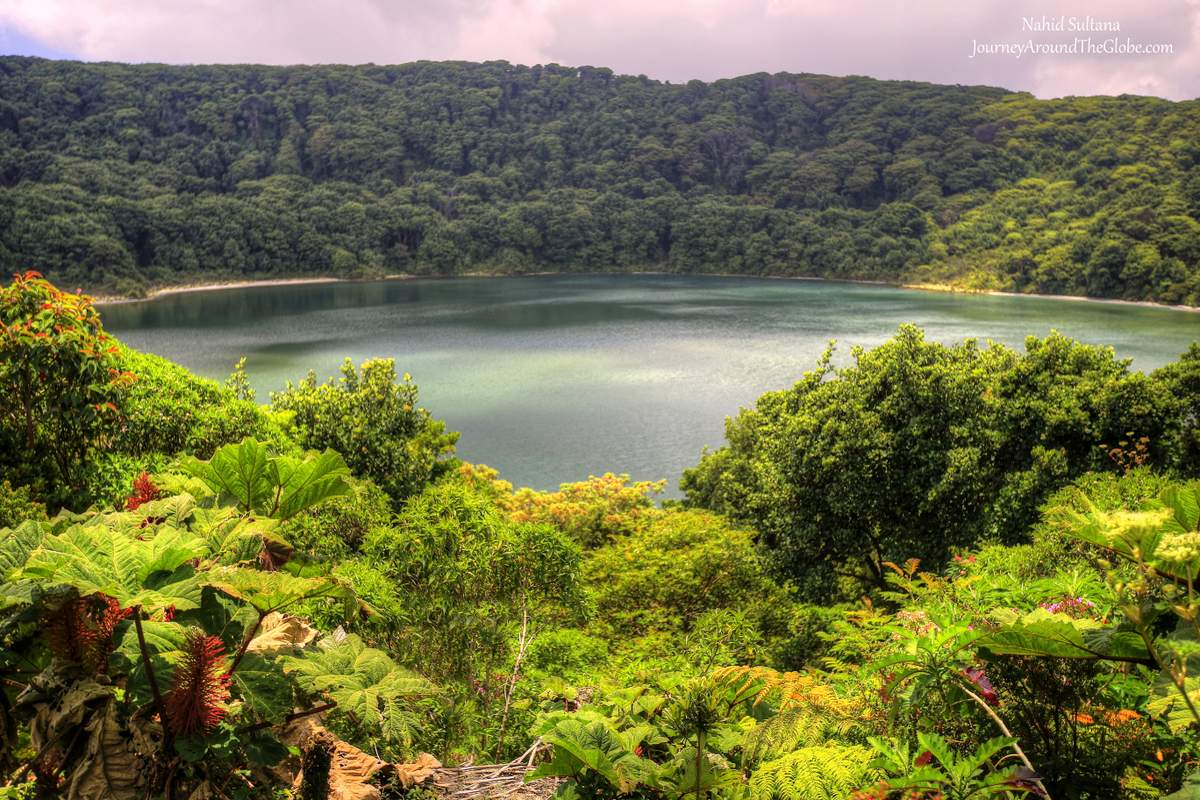
The park is very well equipped with tour guide services, facilities for disabled guests, shops, and restaurants. It took us about little more than just two hours to hike, walk, and explore this place. It’s open from 8am to 3:30pm everyday.
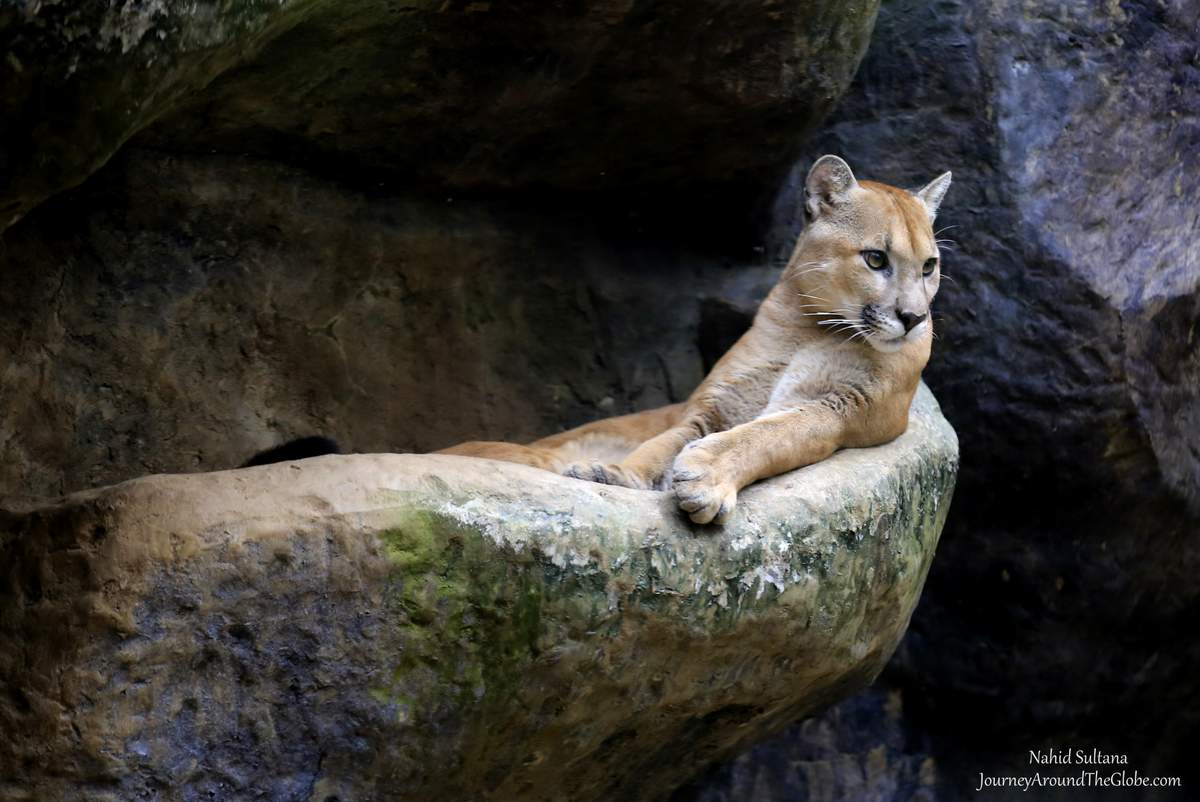
4) LA PAZ WATERFALLS GARDEN: Our last and most exciting destination of this trip was La Paz Waterfalls Garden. The garden is the just the beginning of this trip…wait until you get to the thrilling hikes and falls of this journey. You will be making all sorts of memories with the garden’s birds, butterflies, snakes, frogs, monkeys, hummingbirds, and jungle cats.
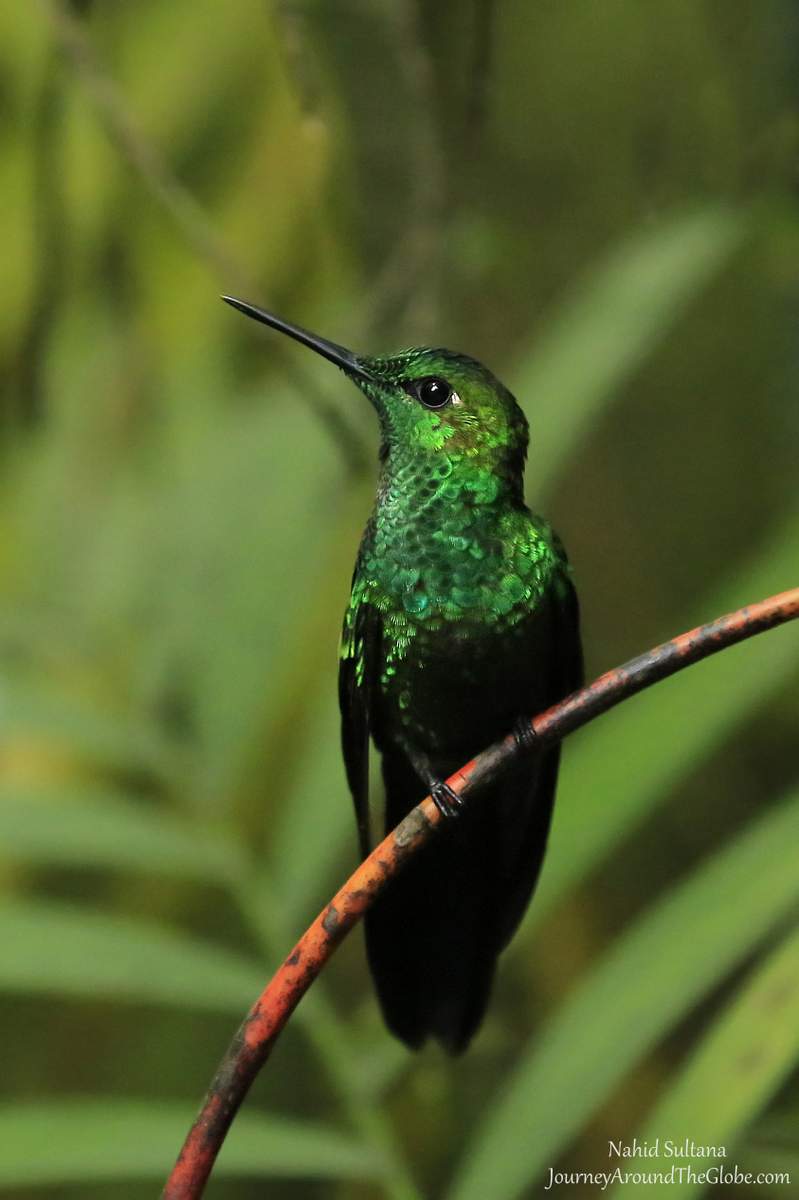
La Paz Waterfalls Garden is a privately owned and managed ecological attraction that opened in the 2000. The construction of the hiking trails and butterfly observatory began in 1998. The park comprises 70 acres or 28 hectares of land. Amazing part of this garden is that the 2.2 miles (3.5 km) of hiking trails and viewing platforms were built without cutting one tree or vine system. Also, the materials for the trails and platforms were carried own on foot in order to avoid the use of heavy equipment in the forest. None of the animals in this Wildlife Refuge have been taken from their natural habitat. Most of them were illegally held as pets when the Wild Life Ministry found and confiscated them.
Peace Lodge of La Paz Waterfalls Garden is an award winning ultra-upscale accommodation in the symphony of purely Costa Rican rainforest jungle. Guests are so close to the nature here yet in the comfort and luxury of modern rooms and services.
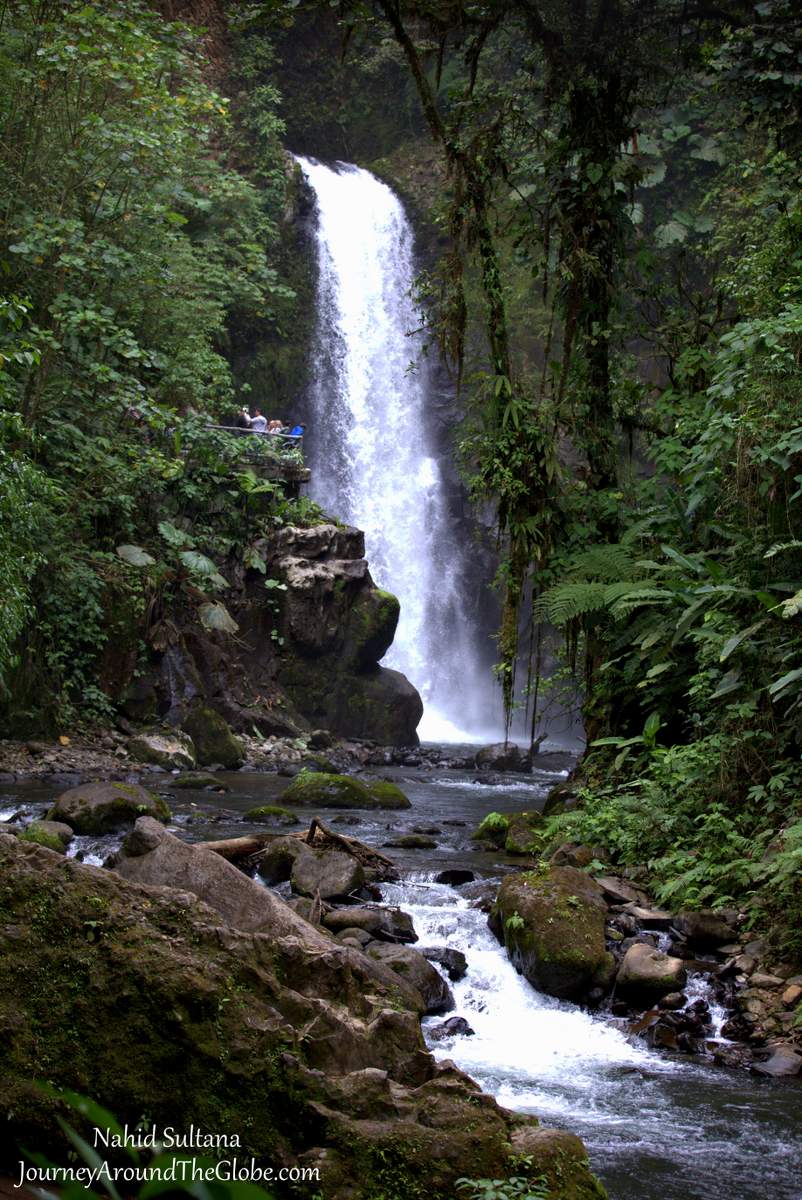
There were five waterfalls that we came across during our 3.5 km of long hike in the garden: Magia Blanca (120 feet or 37 meters), Encantada (65 feet or 20 meters), Escondida (10 feet or 3 meters), and La Paz. For its unique landscape and location, this is a gem and an awe-inspiring destination in Costa Rica.
Share this:

Family Friendly Casino Hotels in Las Vegas
Family Friendly Casino Hotels in Las Vegas
A family vacation in a place full of casinos seems like a crazy idea, so why do families continue to spend their holidays in a city like Las Vegas? It’s true that Las Vegas is a popular hot spot for adults, but what many people don’t realize is that it also has plenty of kid friendly attractions on and off the strip.
Transforming a casino hotel into a family friendly entertainment complex seems a bit counterintuitive, but the truth is that a significant percentage of travelers have kids, and families are key for hotels to maximize their non-gaming revenues. Numerous casino resorts have had to rebrand themselves in order to address the needs for different types of consumers by supplying various forms of entertainment. As Intercasino explains, “Live casinos usually have a festive and pretty active atmosphere. This usually keeps the gamblers and the people inside awake, although it could be pretty distracting.” The fun and festive atmosphere has had to be carried outside the casino, and this has given birth to some truly innovative ideas.
As such, Las Vegas’ casinos, hotels in the area have done their part to accommodate children’s needs, providing them with game rooms, kid friendly pools, special meals, and supervised activities. Truthfully, they’ve done an excellent job in making sure that everyone in the family has a good time, particularly the ones mentioned below.

https://en.wikipedia.org/wiki/Mandalay_Bay#/media/File:MandalayBay2010.JPG
Red Rock Casino Resort and Spa
Possibly one of the best casino resorts for your family to make yourselves at home in, Red Rock is truly a playground for kids and adults alike. It’s conveniently located off the noisy strip, which takes your family away from all the chaos while having a mini tournament in the 72-lane bowling alley, or taking it easy with a screening at the Regal Cinema. If you feel like visiting the casino for a bit, consider leaving your children at the supervised play area called Kids Quest, where they can try their luck at climbing maze the reaches the ceiling.
Venetian
The sophisticated architecture of the Venetian makes it possible for you and your family to lose yourselves in Venice without being in Italy. It’s not widely known as a family resort, but the Venetian has a multitude of amenities that work as entertainment for adults and kids, such as the gondola rides that your children can ride for free. There’s also a pool deck on the fourth level, with one of the pools just a bit over a foot deep and protected by shade, letting your little ones have a good time in the water while being safe. If your kids are a bit older, be sure to take them to Madame Tussauds in the Grand Canal Shoppes.

Mandalay Bay Resort
For some fun in the sun, there’s no better place to stay at than the Mandalay Bay Resort. The hotel is surrounded by a “beach” made with real sand, and you can choose to relax on the shoreline or coast along the lazy river. If your kids are feeling a bit adventurous, the beach also has three swimming pools as well as a wave pool. After making a few splashes in the pool, dive into the deep sea with the sharks and other sea creatures of the Shark Reef Aquarium.
New York New York Hotel and Casino
Older kids will undoubtedly revel in the thrills of New York New York Hotel. Let them strap onto their seats on the casino’s signature attraction, the rollercoaster, and have them soar through loops and drops at 67 mph. They’ll love the entertainment options inside as well, since the hotel houses one the biggest arcades in the city.
Author Bio:
Daphne King is a mother of an 10-year-old girl and a 5-year-old boy from Brisbane, Australia. Her passion for travel stems from childhood memories of her parents flying her around the world. She and her husband try to go on new family adventures twice a year now that they have children of their own.
Share this:

San Jose – the Capital of Costa Rica
SAN JOSE, COSTA RICA: Capital of Costa Rica, San Jose, is the heart of this beautifully country that is ringed by green mountains and deep valleys. I wouldn’t call it a huge metropolitan or modern town, like Panama City, nor it had small cozy feeling to it. While Costa Rica was my most favorite country in this trip, its capital was the least impressive place for me. I am sure it has its own charm and hidden gems… obviously we weren’t looking at the right things.
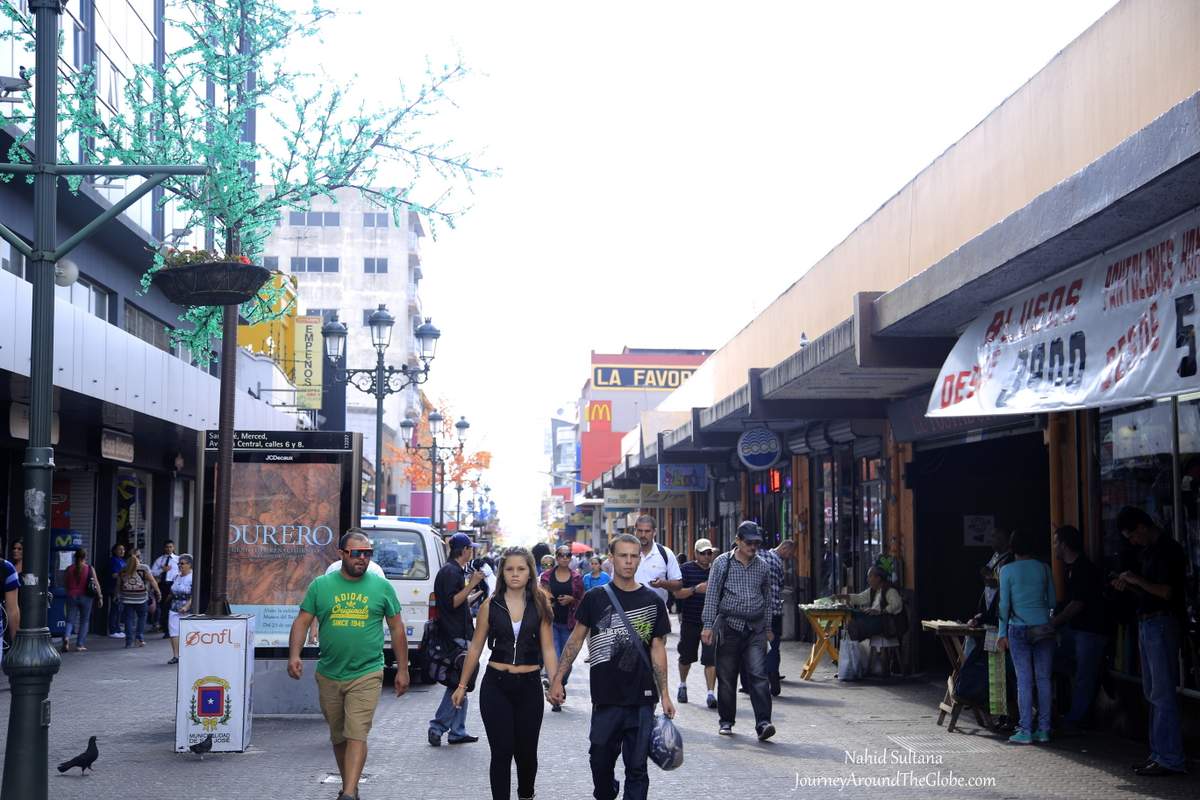
TIME of TRAVEL: Costa Rica was our second country to visit in this Central America trip in the mid-March of 2015. We first visited El Salvador, then Panama and from Costa Rica we finished our trip with Nicaragua. It was very hot and humid, especially when we toured outside San Jose to the mountains and rainforests.
OUR HOTEL: We stayed in Radisson, about 15 minutes’ walk from downtown San Jose. It was a fantastic place with free breakfast and Wi-Fi. Other than its excellent customer service, we had a big swimming pool and a hot tub very close to our room. Radisson in San Jose is a very big hotel and had a big gate at the entrance for extra security.
EATING and SHOPPING: We saw plenty of fast foods in the heart of San Jose. But we did have a hard time finding a local Costa Rican restaurant…maybe we were just looking at the wrong place. We eventually had lunch in Mercado Central after few locals directed us there. Inside the market, there were some small places and quick-serve counters who were offering local dishes. We had some fish with rice and pickled vegetables, like jalapeno and chili peppers. Other than those, you can find fish soup, ceviche (raw fish), and other seafood options too.

Again, Mercado Central was the only place where we saw only a hand-full of stores selling local hand-crafts and souvenirs. We didn’t see any other place outside this market selling souvenirs…eventually, we didn’t buy anything from San Jose.
PLACES WE’VE VISITED: We had three full days to explore Costa Rica, out of that we spent a day in San Jose. We arrived in the morning and it was enough for us to just take a short tour of the capital for the rest of that day.
1) MERCADO CENTRAL: We walked quiet a far from our hotel to come the heart of San Jose. Once we hit the center point, we followed the pedestrian road to hunt for some local meals and after about 10 minutes, saw this market. When we asked some locals about where we can get some good seafood, they pointed at Mercado Central and gave a name of a restaurant (which I forgot).
Mercado Central is a very old and bustling indoor market and has been there since 1880. Countless shops and restaurants are packed inside this place. You can find almost anything and everything here. Quality may not be of good standard but they are very reasonably priced.
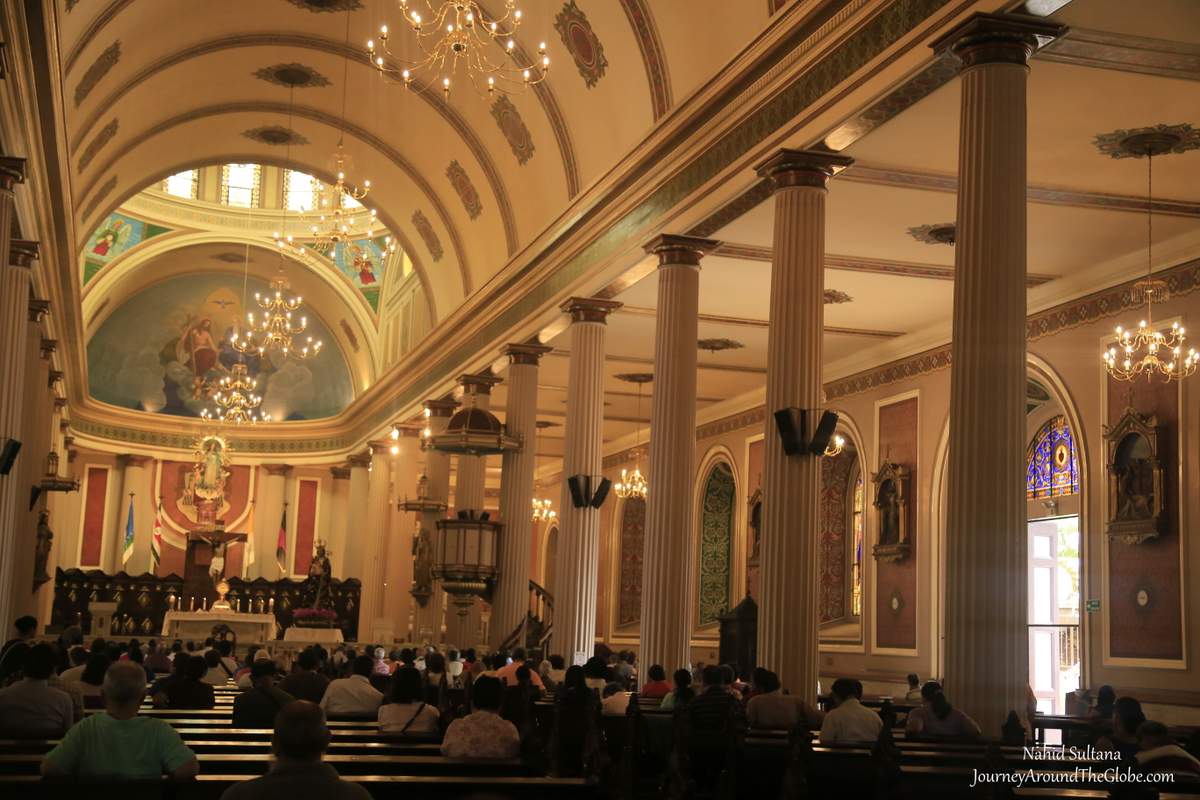
2) METROPOLITAN CATHEDRAL: While we were walking towards the main square to our hotel, we took a little detour. On the other side of the street a big square showed up with a giant Neo-classical edifice in the front. A mass was going on while we were inside the cathedral, so we couldn’t walk around much. But it’s a big place elegantly decorated with some stunning stained-glass windows from Paris and Germany. A new group of bells were installed here in 1998 which came straight from Spain. The tabernacle is a replica from the original one in 1855. The artistic tubular organ is from Belgium that was inaugurated in 1891 and it is considered as one of the best tubular organs in whole Central America. The structure suffered few major earthquakes in the past few centuries.
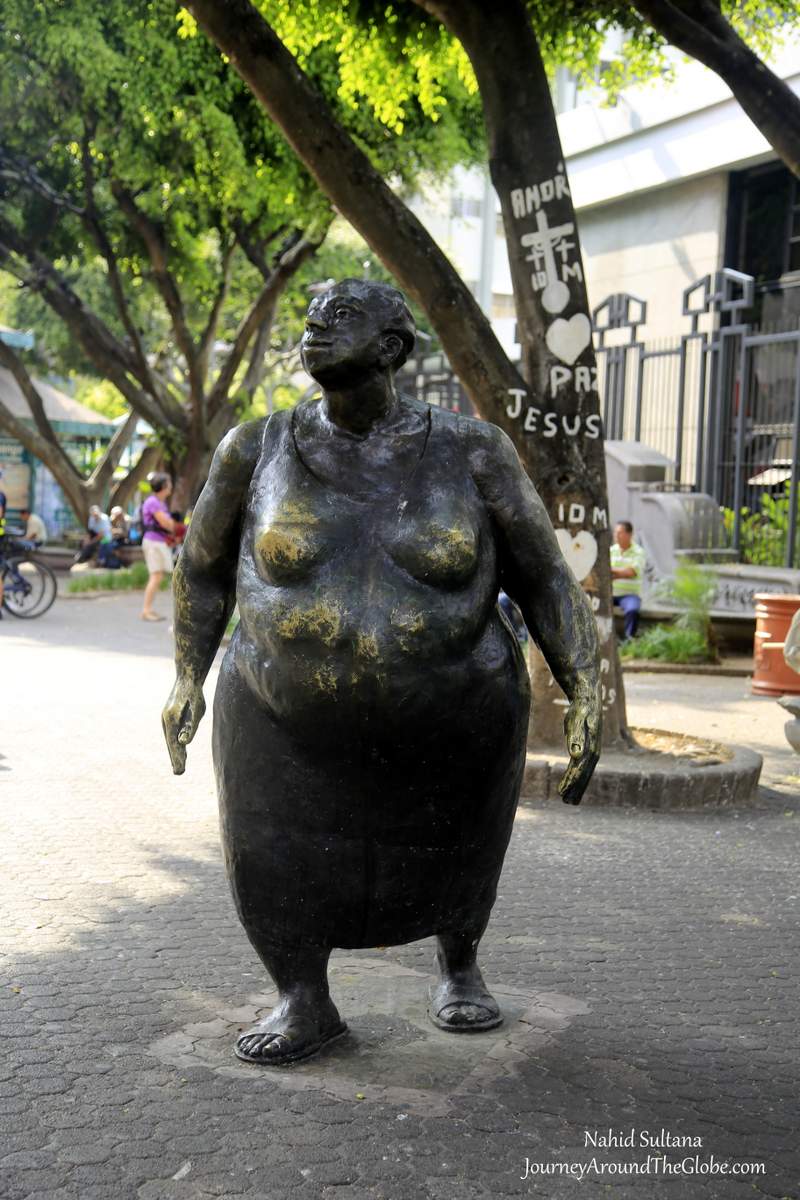
3) MAIN SQUARE with TEATRO NACIONALE: We honestly didn’t find a name of this square. It looked like the main square where people and pigeons gather to chill. Many buildings and eateries surround the square. Beside the square is the National Theater of San Jose…an old but nice architecture. There was ice-cream store where we stopped and picked up some nice flavors while walking back to the hotel at the end of the day.

Share this:

Volcanoes and Valleys of Costa Rica – Irazu Volcano and Orosi Valley
IRAZU VOLCANO and OROSI VALLEY, COSTA RICA: To see the real beauty of Costa Rica, you have to go the lush green mountains, rugged volcanoes, valleys, and rainforests. And this trip gave us that taste of real Costa Rica.
Aside from the sceneries, I fell in love with Costa Rica more after this trip…thanks to our well-educated guide. The country was founded by the Spaniards in 1523 in Orosi Valley. During that time, this place was inhabited by the indigenous people and the Spanish emperors ruled this country up until 1821. Costa Rica was the first nation in the world who abolished their army permanently in 1949. Now all that money goes to education and that’s why it has the highest literacy rate in whole Latin America. Oh, another interesting fact is that recently Costa Rica was voted to be the happiest nation in the world…such an impressive country overall.
The trip to Irazu Volcano and Orosi Valley was an extraordinary experience for us. It took us to some off the bean paths and showed us some unbeatable views of Costa Rica. The trip was booked thru viator.com and we were picked up right from our hotel entrance to start the tour on time. It was a long 8 hours of tour, but very well worth it.
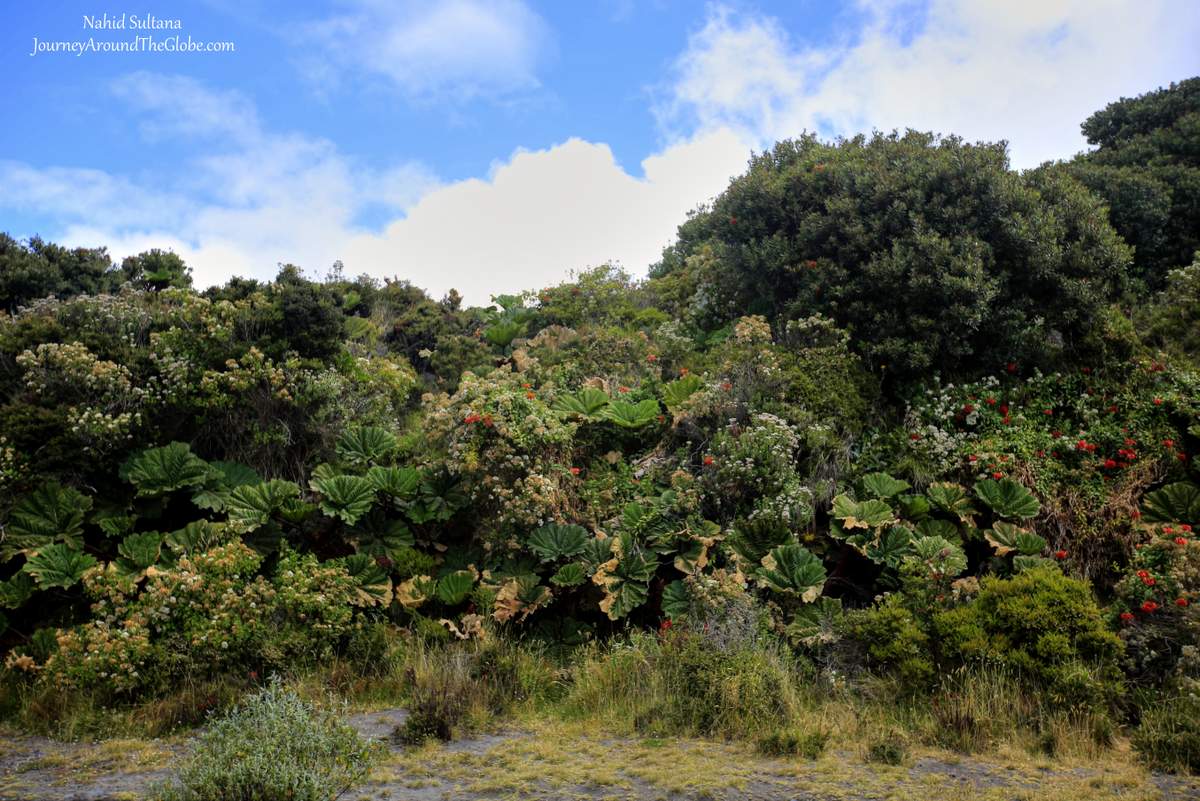
TIME of TRAVEL: This was our second day in Costa Rica. We roamed the capital, San Jose, on the first day and Poas Volcano with La Paz Waterfalls Garden the following day. It was the middle of March, 2015 when we flew to Central America. Before coming to Costa Rica, we visited El Salvador and Panama and from here we were off to Nicaragua.
Even in March, it was way too hot and humid. It’s the dry season here. Be sure to bring some sunscreens, hats, sunglasses, comfortable clothes, and walking shoes for this trip. Being a tropical country, they don’t get any snow…so, coming here in winter may not be a bad decision. But keep a close eye, because this region is an earthquake prone zone.
OUR HOTEL: Our hotel Radisson was located about 15 minutes’ walk from the downtown San Jose. It had a beautiful swimming pool and hot tub, free traditional and continental breakfast buffet, and free Wi-Fi. I loved having typical Costa Rican breakfast every morning, which were black bean with rice, local cheese and coffee.
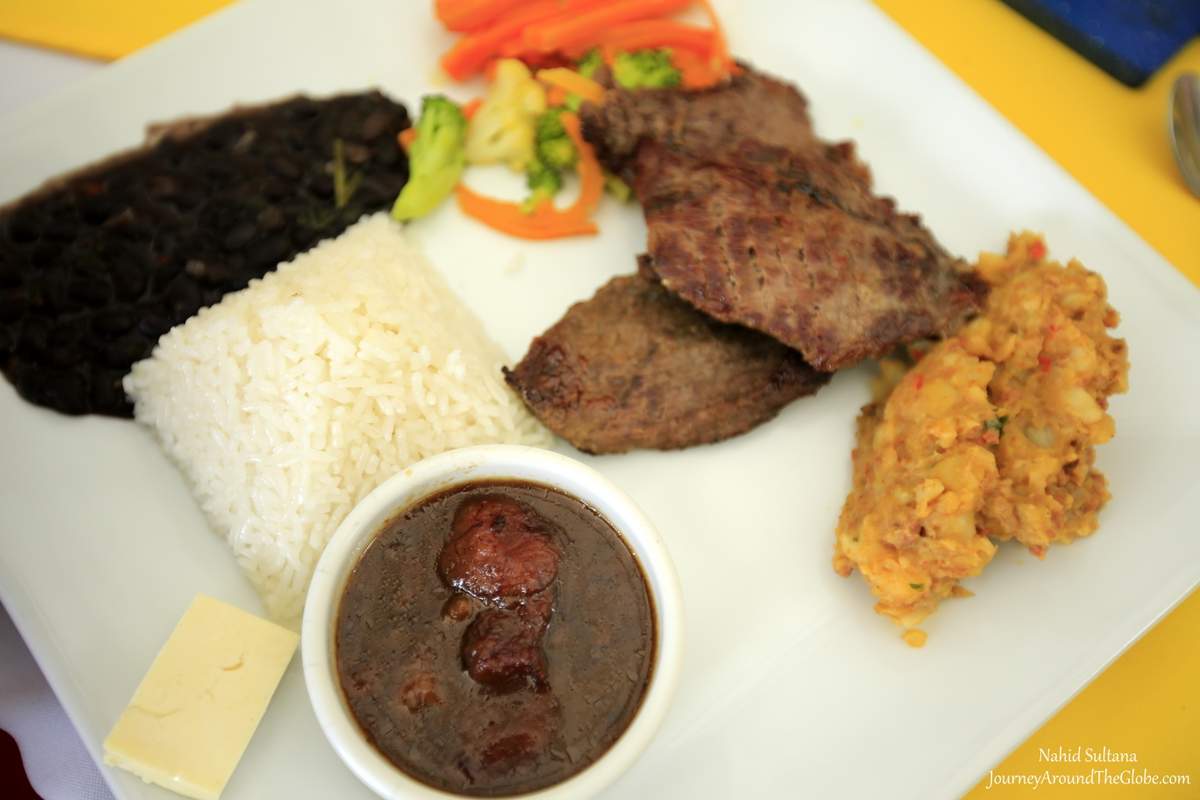
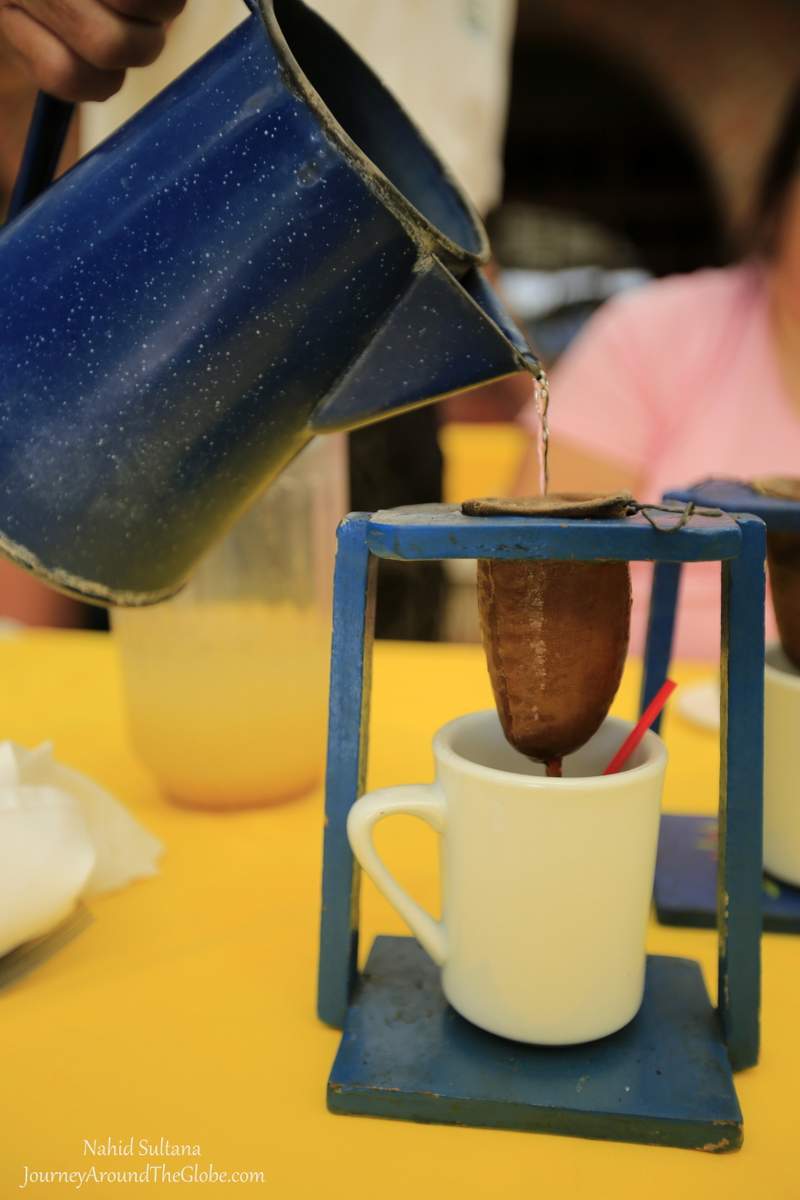
EATING and SHOPPING: Since this was a guided trip, after visiting the Lancaster Botanical Garden we were taken towards Orosi Valley for little sightseeing and lunch. The place is called La Casona del Cafetal. Our big group sat outside by a beautiful lake surrounded by a lush exotic garden. We had some rice, beans, and fried plantain with the options of meat or fish. Sea bass and red snapper are some common and popular fishes in Costa Rica. After desert we finished off with some locally brewed fresh coffee…poured in traditional Costa Rican style.
Since this was a guide tour, we didn’t have much time to ourselves to go for souvenir hunting. We bought a wooden napkin holder from Irazu Volcano. We stopped few more places along the road for more souvenir hunting but most of them were expensive.
PLACES WE’VE VISITED: This was about an 8 hours of guided tour. These are some of the following places we saw with a big group and an experienced guide.
1) IRAZU VOLCANO NATIONAL PARK: About 51 km from San Jose is Costa Rica’s highest active volcano, Irazu Volcano. It is a popular destination spot and a short ride from the capital. The drive started to get very scenic after we passed thru the city of Cartago. We passed by some villages, farms, open fields, valleys, exotic plants on the road sides, and saw farmers working on carrot, onion, and potato farms. On our way, we stopped at a curb side to see Costa Rica’s most active volcano, Volcano Torrelba, which last erupted in 1860s, but now again was fuming steam. We could actually see the steam from a distance. From here we rode up the zigzag mountainous road and our bus finally stopped at the summit.
Irazu Volcano has total of 5 craters with various depths and diameters; the two most important ones are the Main Crater and Diego de la Haya Crater. The Main Crater, Crater Principal, is about 300 meters deep and 1050 meters in diameter. This crater used to have a blue lake in the middle but it’s not there anymore. Last major eruption from this place was in 1965. The guide showed different kinds of lava rocks as we walked towards the Main Crater. We saw a humming bird in the small forest on our way back, which tells us this national park is a home to some exotic plants, flowers, animals, and birds.
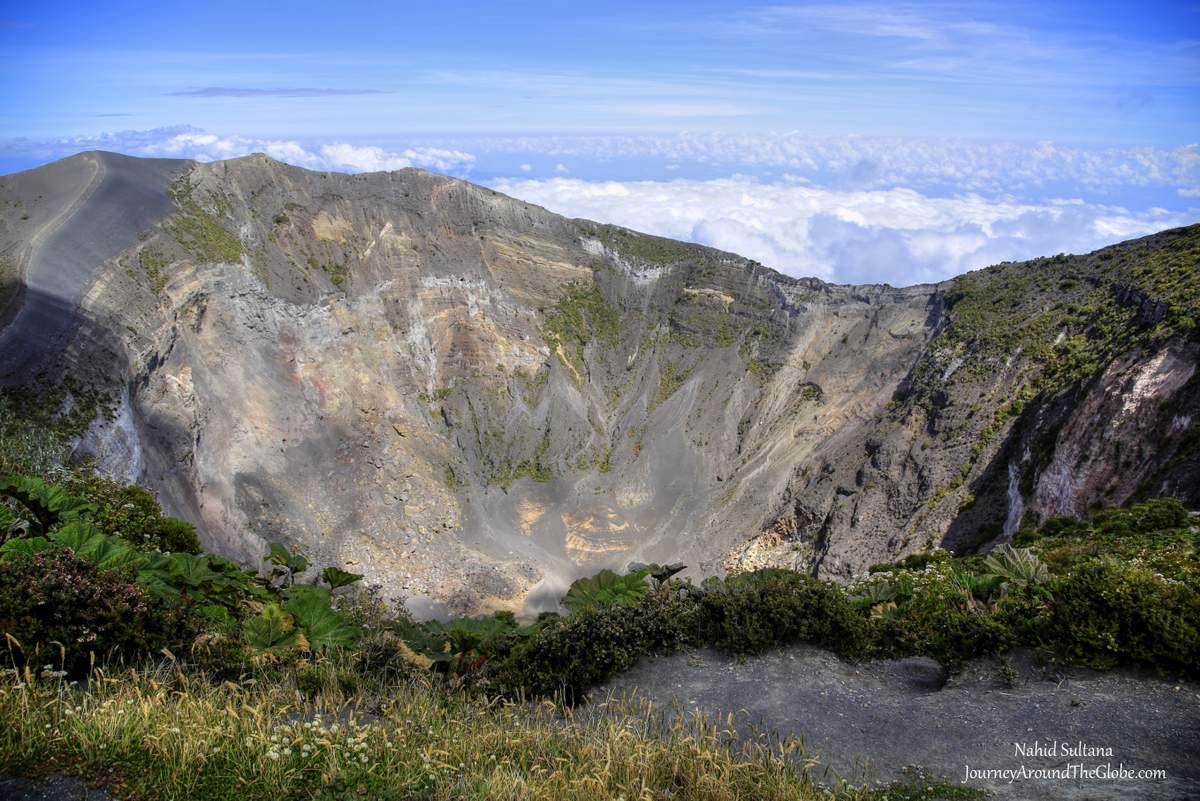
It is better to carry a light sweater for this trip. It can get a bit cold and cloudy from time to time for its high elevation. The park is open from 8 – 3:30pm. Although our entrance fee was paid by the company, it’s $15 per adult and $5 for each kid. We spent about little more than an hour in the park, taking leisure stroll on one of the dead craters. Visitors are allowed to take different trails and hike around the different craters if time permits. At the end of the tour, visit the souvenir shop. The items were of course a bit expensive, but had lots of unique things to purchase as gifts or memories.
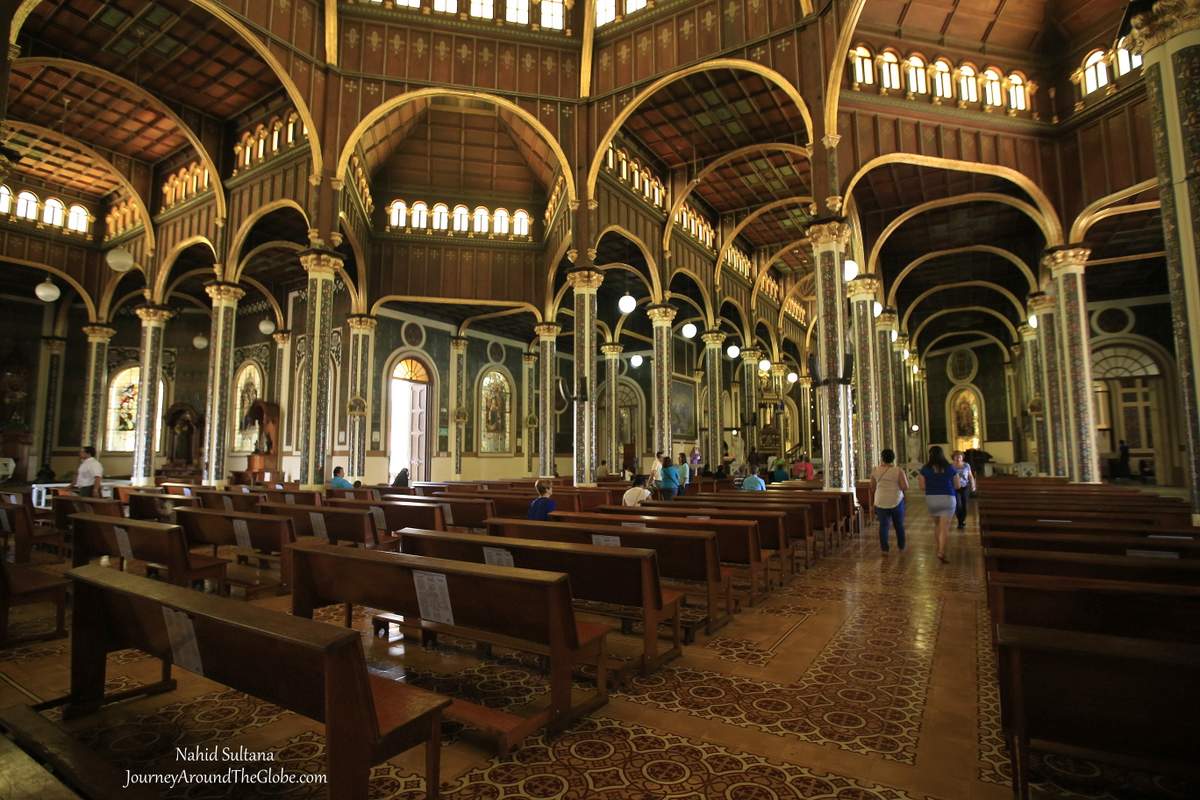
2) OUR LADY of ANGELS BASILICA in CARTAGO: About 31 km from Irazu Volcano, beside San Jose, is another city, called Cartago. This is Costa Rica’s first capital. Our bus stopped in front of a Byzantine style big church, Our Lady of Angels Basilica…we were at our second stop. Outside the basilica is very monumental, but standing here we couldn’t imagine the fabulous and majestic beauty that it holds inside. From its elegant altar to illustrious wall designs, over-sized paintings, splendid dome, wood carvings, artistic columns and floors, and stunning stained-glass windows…this Catholic church from the Spanish time is a jewel in whole Costa Rica.
3) LANKESTER BOTANICAL GARDEN: Lancaster from England donated this exotic, one of a kind garden to the University of Costa Rica outside of Cartago in 1973. It is open to the publics but operated by the university as a research center. The garden is considered as one of the most beautiful gardens in Latin America. 15 minutes of drive from the basilica, this was our last destination before lunch.
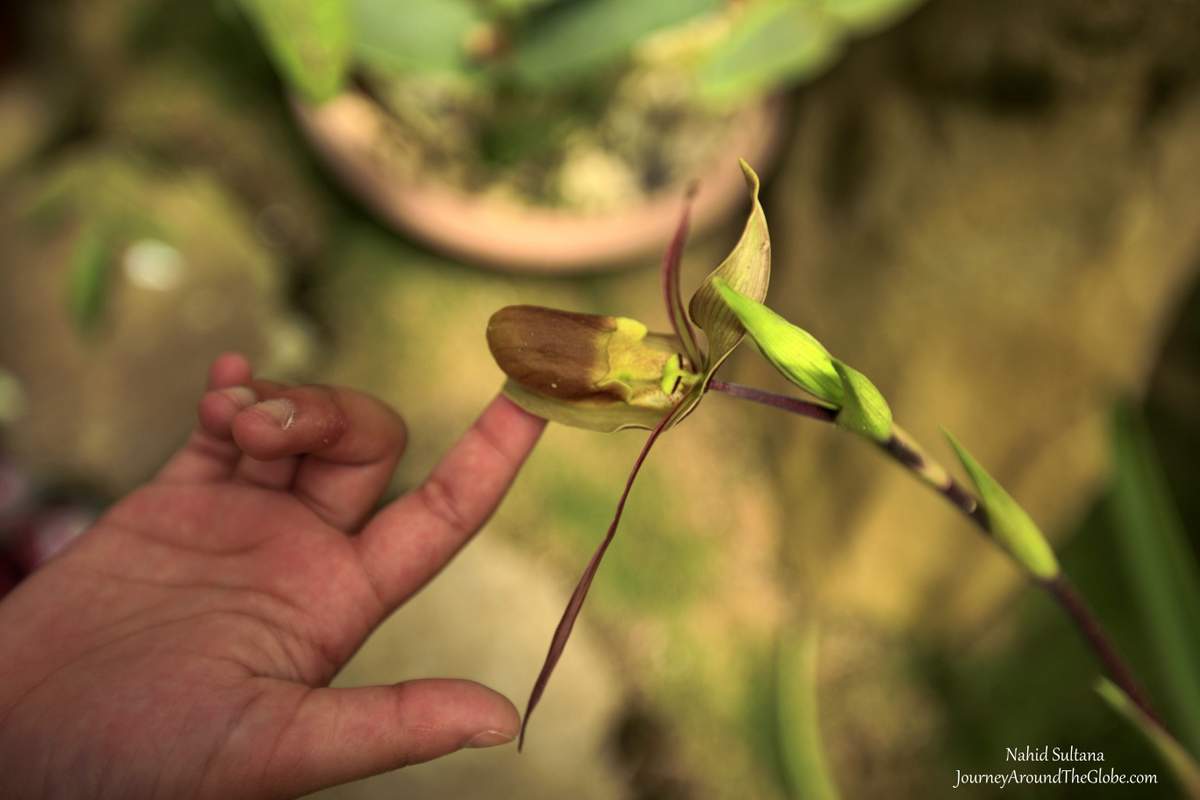
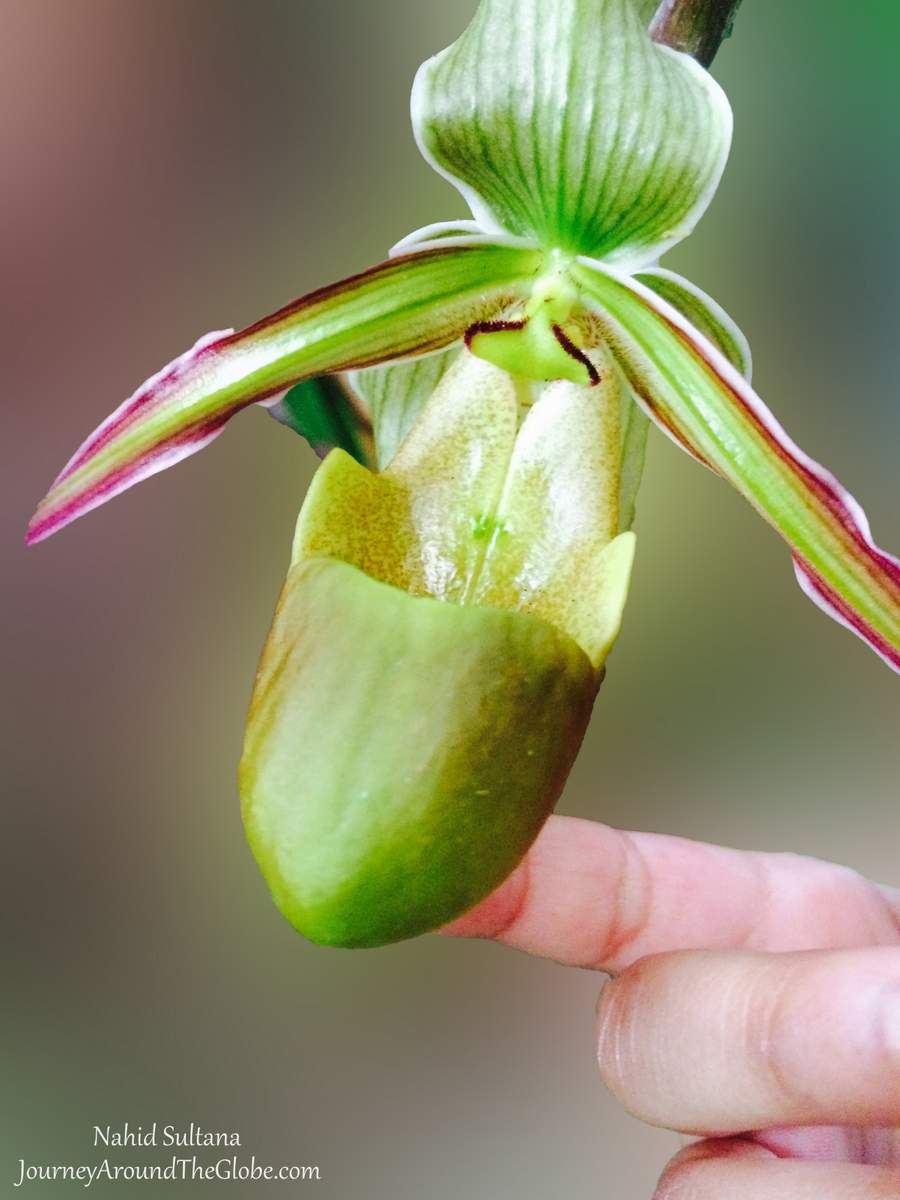
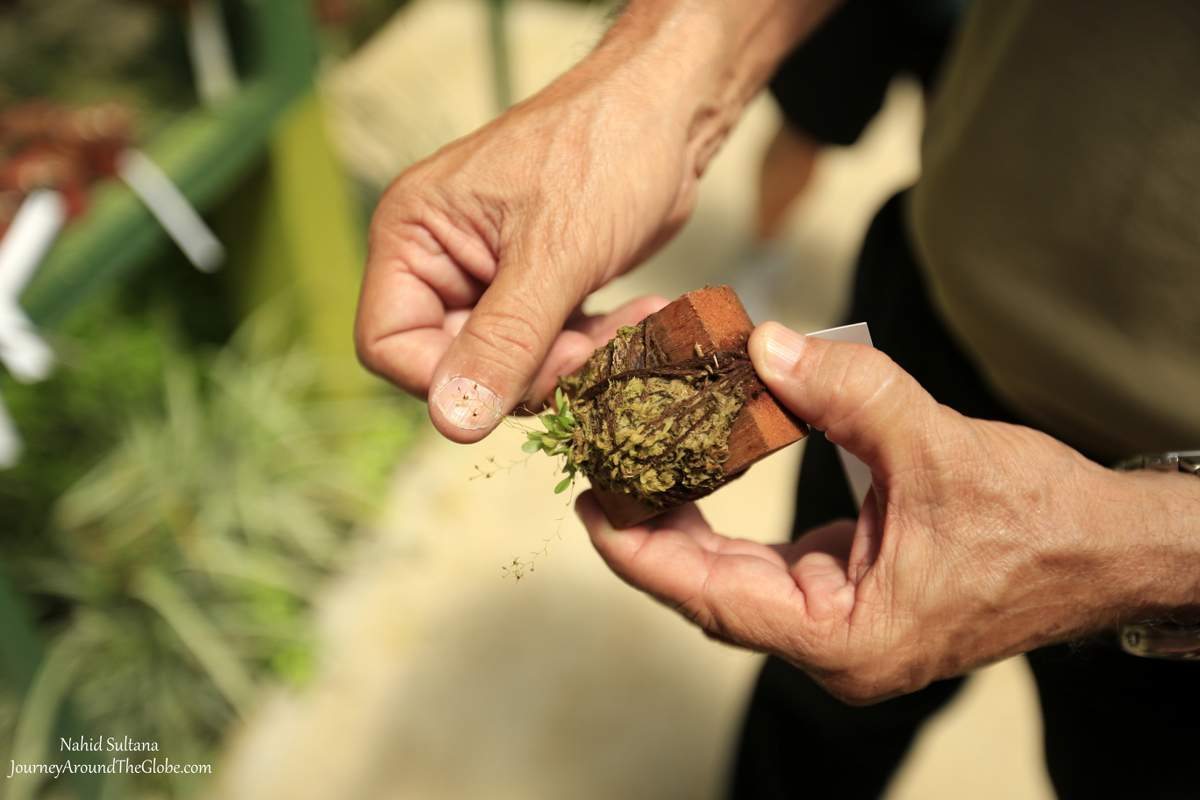
Lankester Botanical Garden has a world-class collection of different species of cacti, bromeliads, and other tropical flowers. Exhibition of orchids is the center attention of this garden and visitors can see many varieties of orchid which are not easily seen in the wild. While strolling around the garden, enjoy the small fountains, exotic plants, trails, ant colonies (yay…we saw some armies of ants carrying leaves), a small portion of Japanese garden, and bamboo trees.
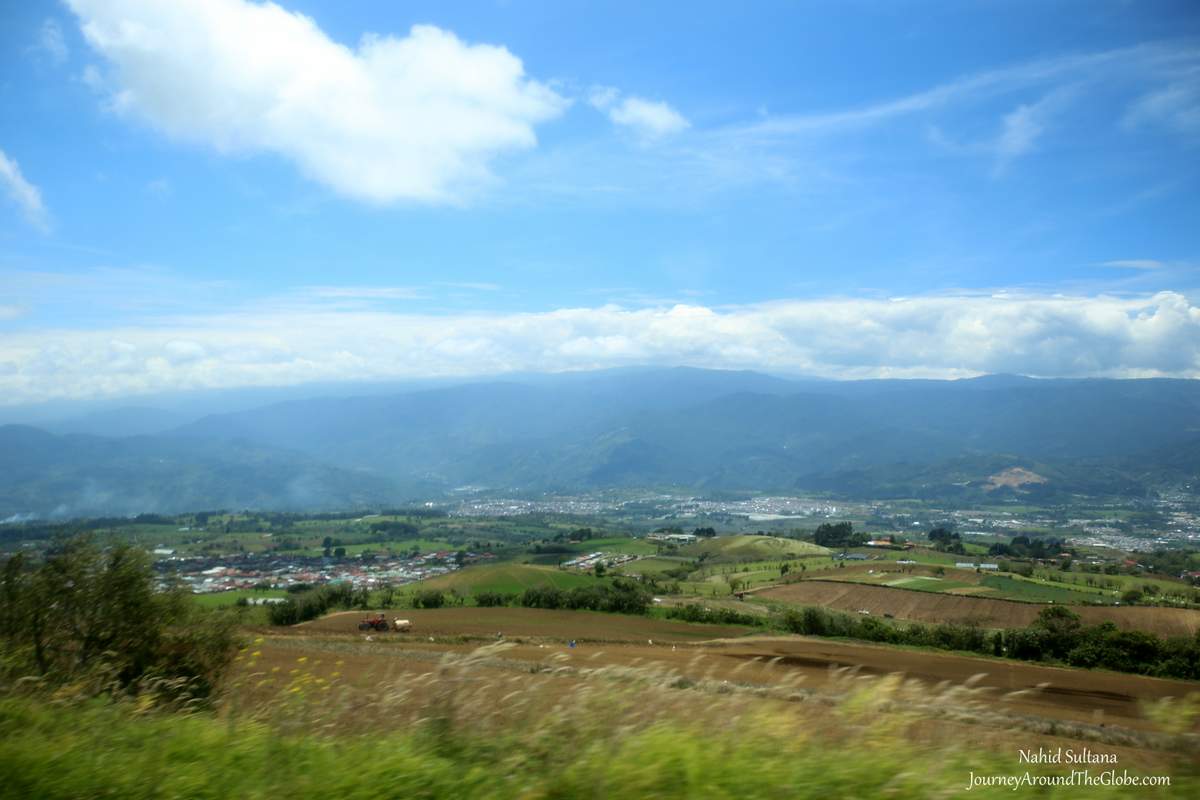
4) OROSI VALLEY: Our lunch spot and last destination of the day was Orosi Valley. This is one of the oldest communities of Costa Rica and a beautiful one too. Orosi Valley was founded by the Spaniards in 1563. Its deep valley is surrounded by small hills, volcanoes, rainforest, and lush vegetation. While many fruit and vegetable farms are plenty here, coffee is the leading industry in this area which was first brought here from Cuba. Many of the coffee plantations from this region supply their famous Costa Rican coffee beans to Europe and other continents in the world. They also export bananas and pineapple to other countries, large part of which are grown in Orosi Valley.
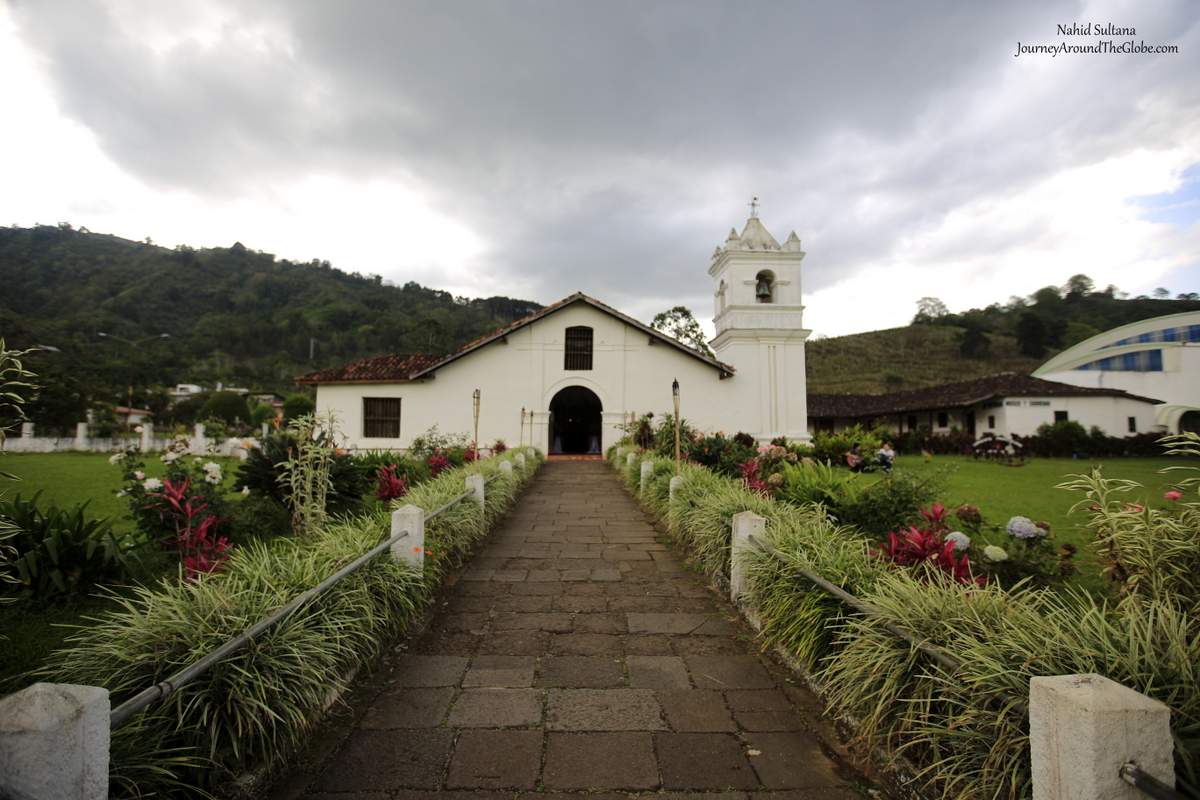
Orosi Valley houses the oldest Catholic church (that is still in use) in Costa Rica, Iglesia de San Jose. The church is from 1743 during the colonial time after its patron saint San Joseph. The church as destroyed in earthquake before. What you see inside the church is 60% of the original structure. It is simple but a historic church in this region.
Share this:

Business Excellence Award 2020 from AI Global Media for The Most Entertaining Personal Travel Blog – Pacific Northwest USA

Top Posts & Pages


Authors
 Globe Runner
Business Excellence Award 2020 for The Most Entertaining Personal Travel Blog – Pacific Northwest USA

Business Excellence Award 2020 from AI Global Media

 Journey Around The Globe

